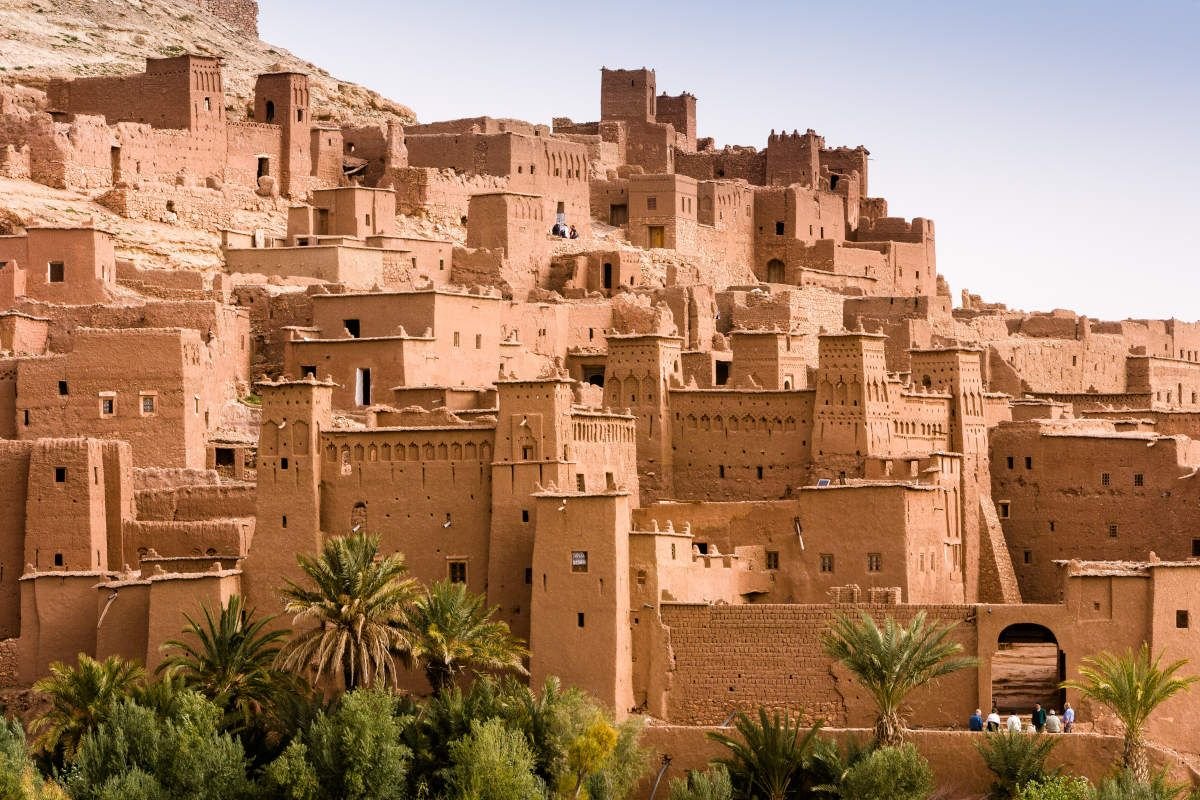
Why Visit Kasbah Ait Ben Haddou? Best Moroccan History : Rising from the edge of the desert near Ouarzazate, Aït Ben Haddou is one of Morocco’s most breathtaking and historically rich landmarks. This ancient ksar, built entirely from earth and straw, stands as a masterpiece of southern Moroccan architecture. Recognized as a UNESCO World Heritage Site in 1987, it represents centuries of Berber tradition, caravan trade history, and architectural ingenuity. Located along the former trans-Saharan trade route and easily accessible from Marrakech, Aït Ben Haddou has become a must-visit destination for travelers seeking culture, history, and cinematic landscapes. With Morocco Global Travel, visitors can explore this legendary fortified village while enjoying the spectacular scenery of the High Atlas Mountains.
Is Ait Ben Haddou Worth Visiting?
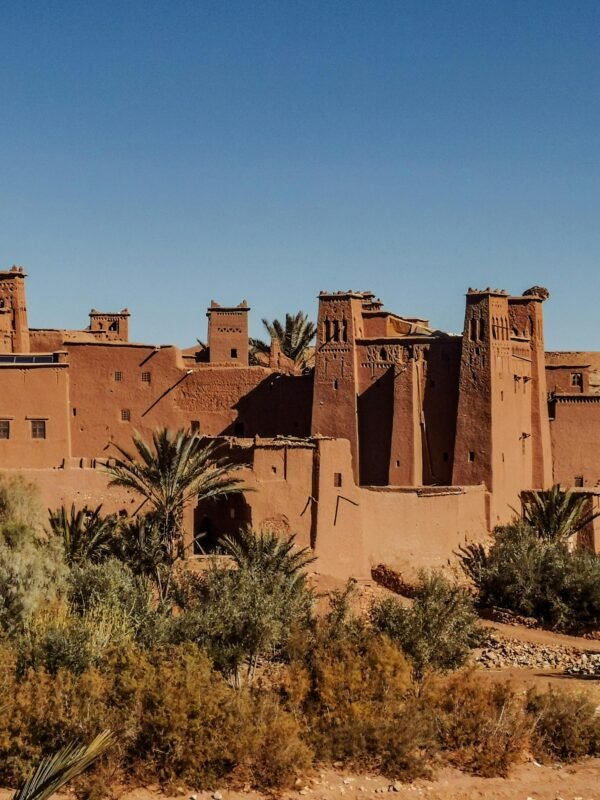
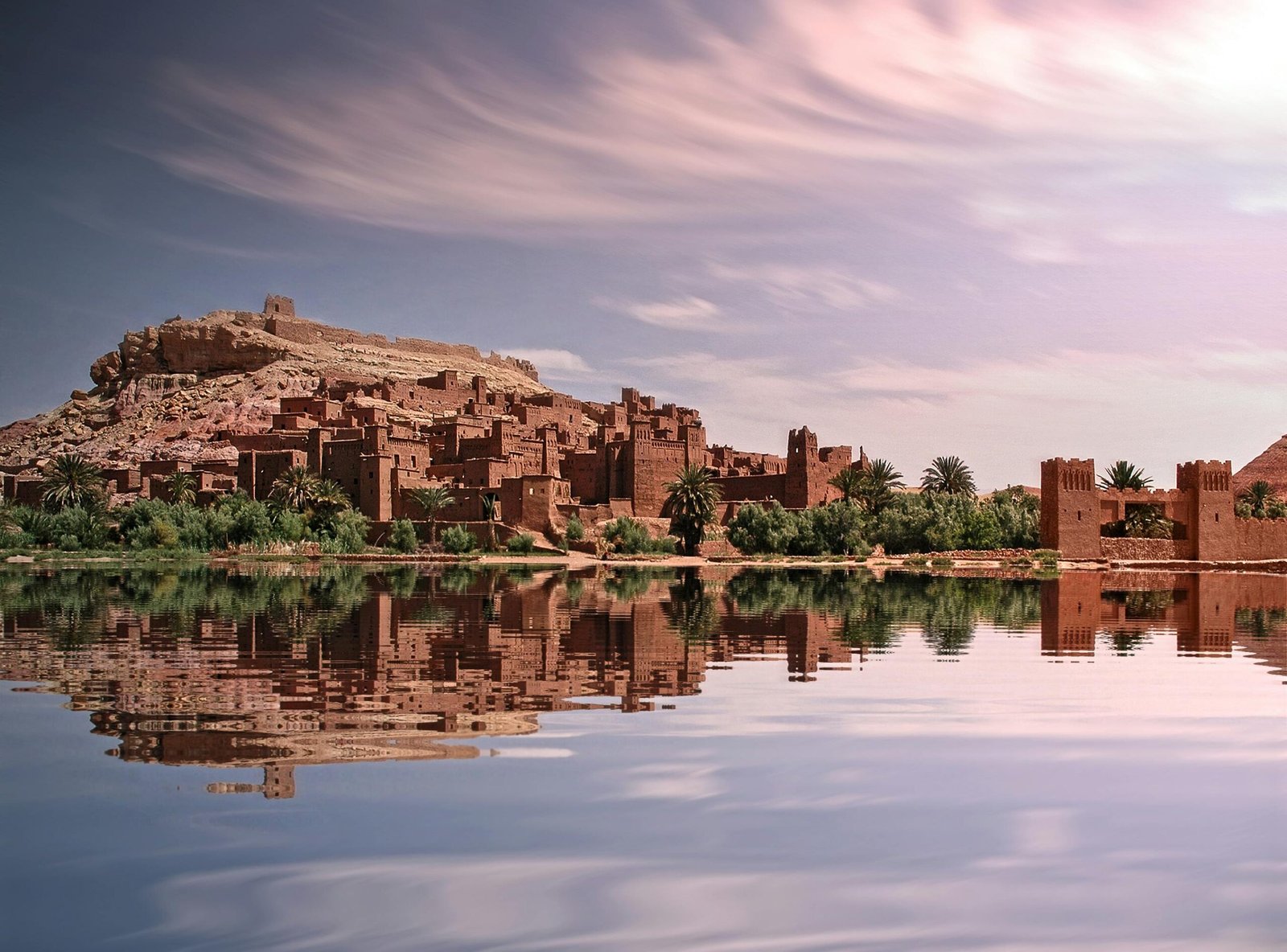
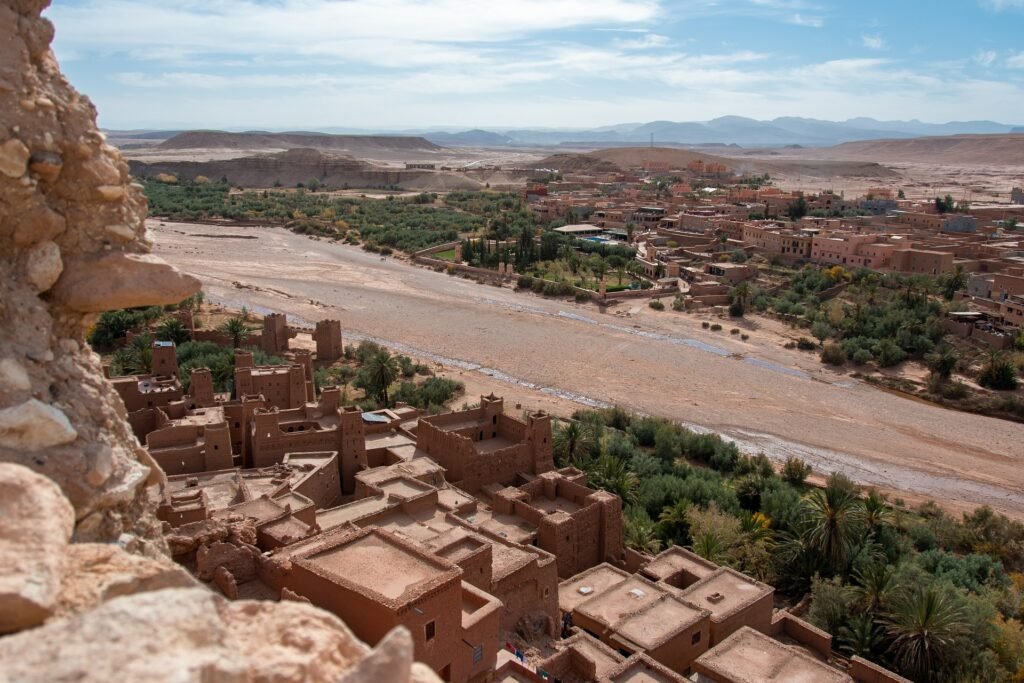
Aït Ben Haddou is absolutely worth visiting and is often considered one of the highlights of any Morocco itinerary. The moment you cross the river and approach its towering mudbrick walls, you feel transported into another era. Wandering through its narrow alleys, climbing ancient stairways, and reaching the summit viewpoint reveals sweeping panoramas of the Ounila Valley and surrounding desert plains. The peaceful atmosphere, combined with its architectural beauty and historical depth, makes it an unforgettable cultural experience.
Historical Significance of Kasbah Ait Ben Haddou
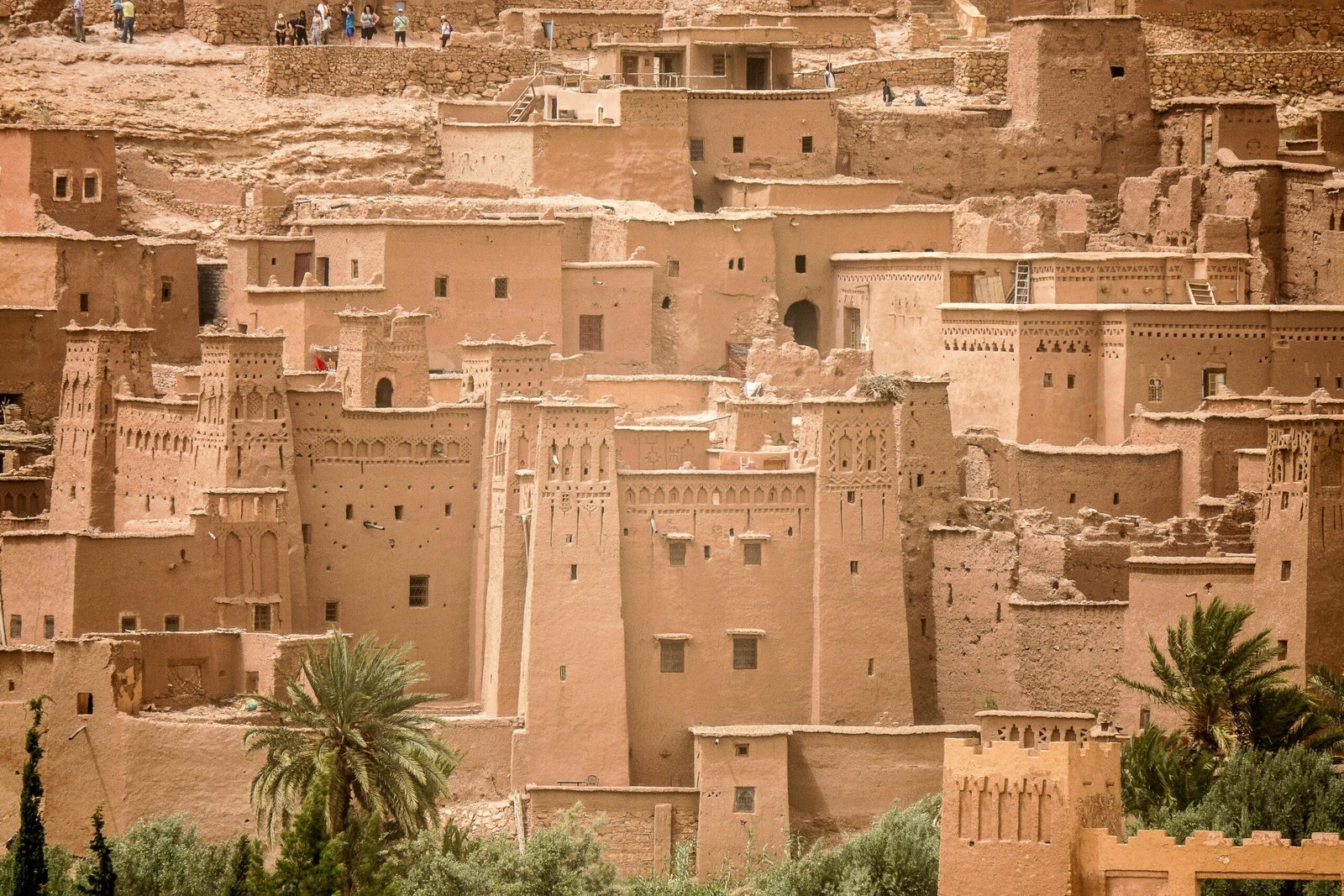
Dating back to the 11th century, Aït Ben Haddou was a strategic stop along the trans-Saharan trade route connecting the Sahara to Marrakech. Caravans loaded with gold, salt, spices, and textiles would rest here before continuing their journey north. During the 17th century, the ksar flourished as a center of commerce and exchange, playing a vital role in the economic development of southern Morocco. Its fortified walls protected both traders and goods, reflecting the region’s need for security and organization. Today, it remains a living symbol of Morocco’s vibrant past and cultural resilience.
Unique Architecture of Ksar of Ait Ben Haddou
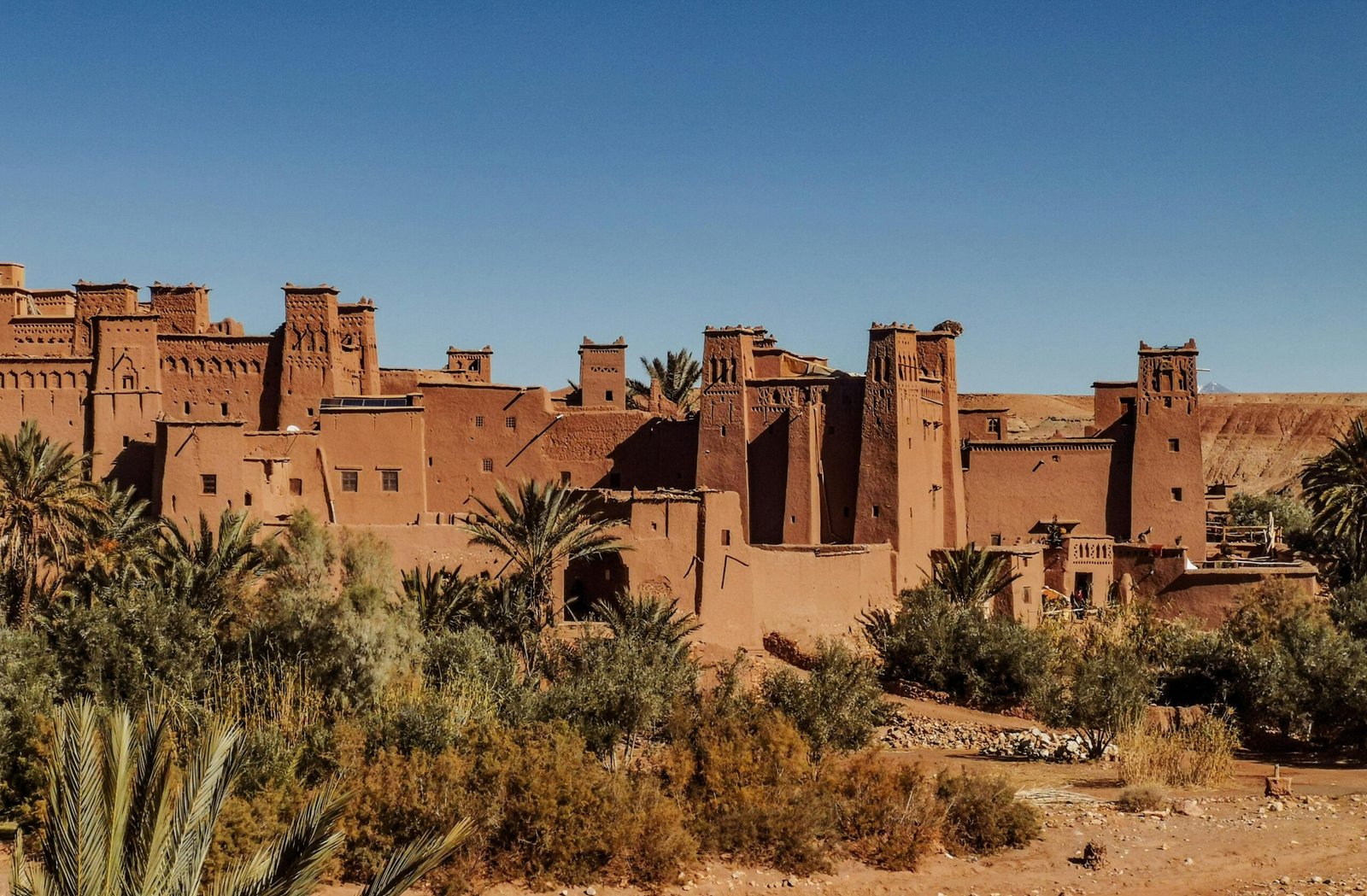
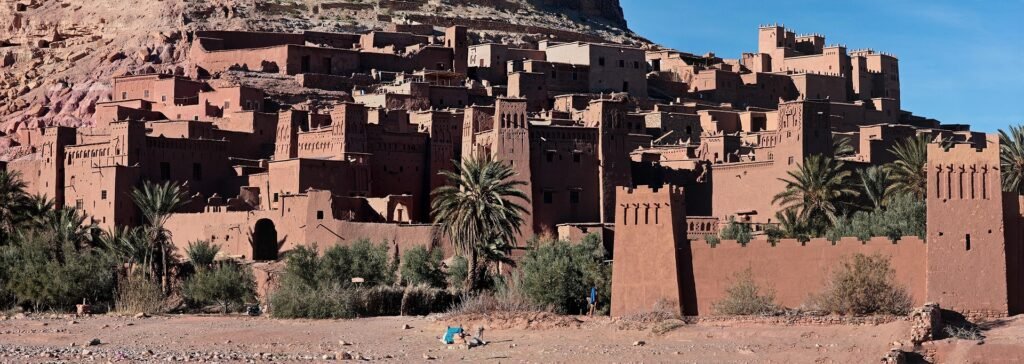
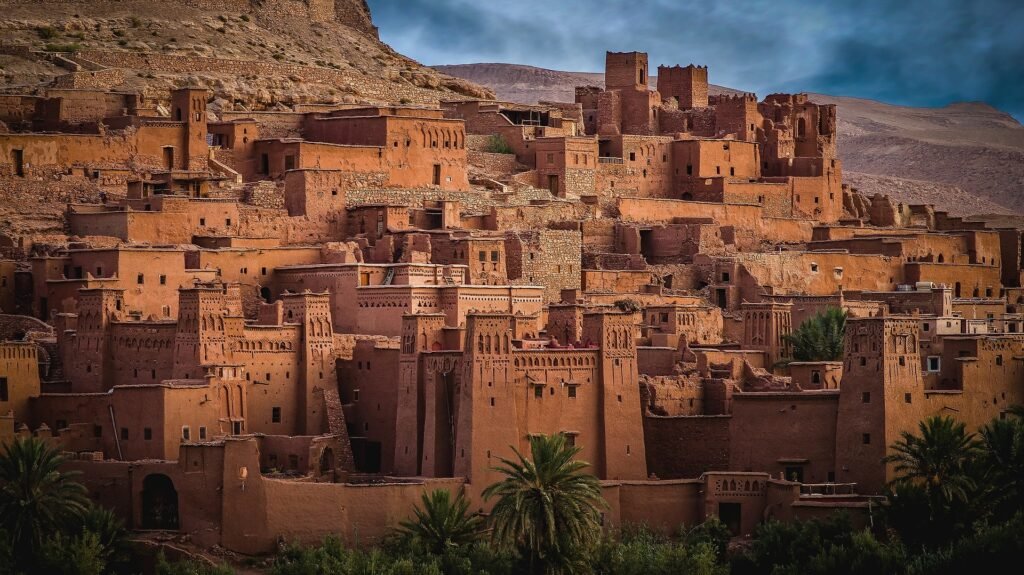
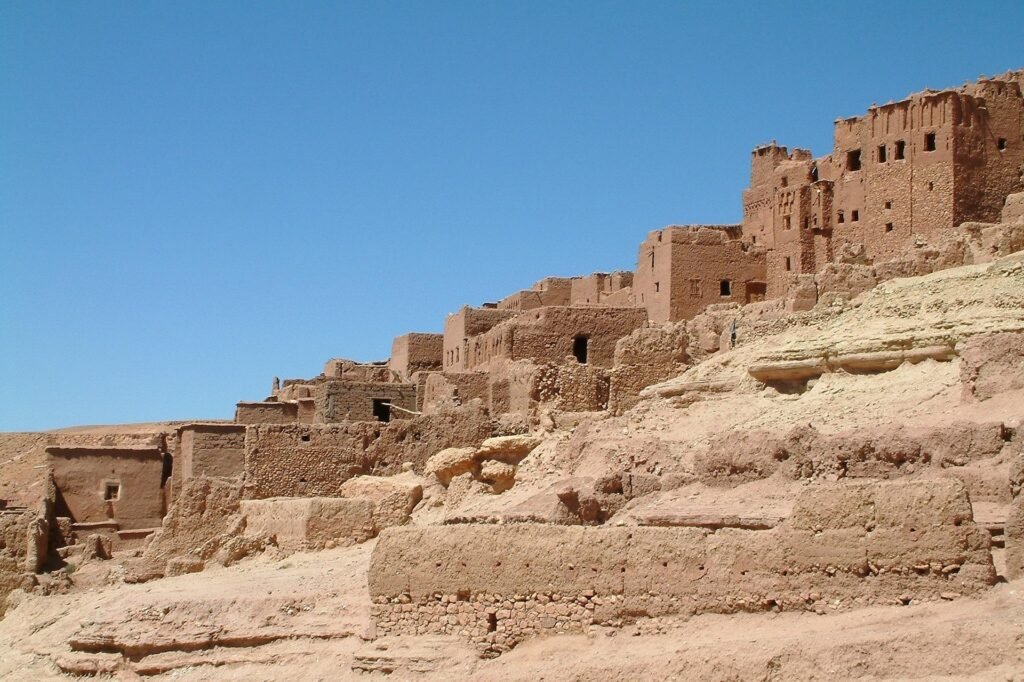
The architecture of Aït Ben Haddou is a stunning example of traditional earthen construction. Built using rammed earth, mudbrick, wood, and straw, the structures are perfectly adapted to the desert climate. The thick walls regulate temperature, keeping interiors cool in summer and warm in winter. Decorative geometric motifs adorn the towers, while tightly packed houses rise in terraces toward the hilltop granary. The layout forms a defensive labyrinth of narrow passageways designed to protect its inhabitants. This harmonious blend of practicality and beauty is what makes the ksar architecturally extraordinary.
The Role of UNESCO in Preserving Ait Ben Haddou
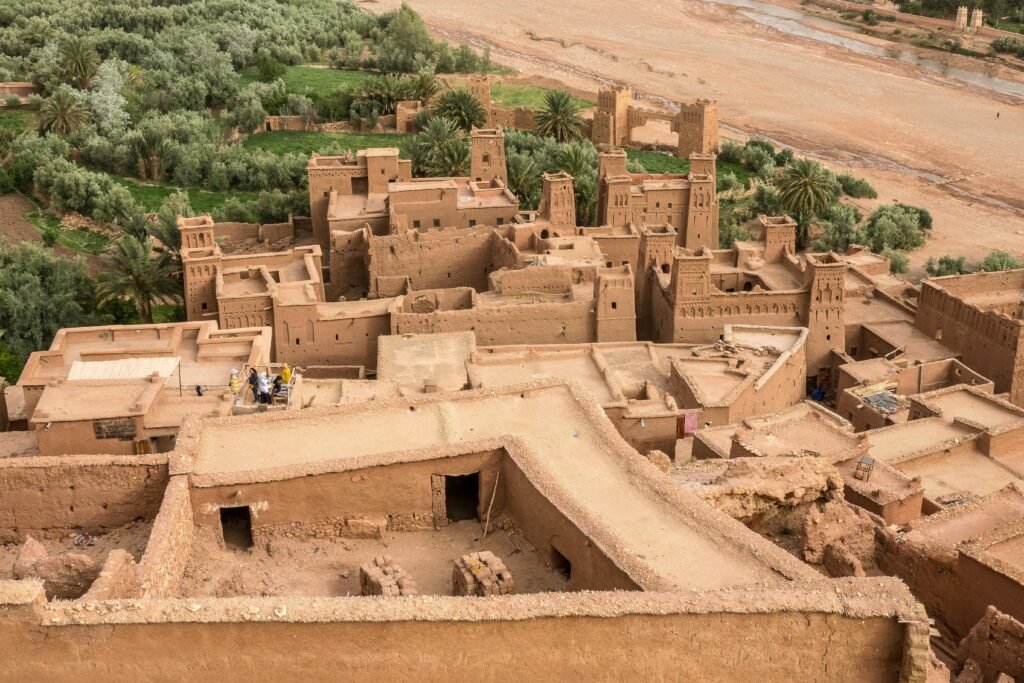
Since being listed as a UNESCO World Heritage Site, Aït Ben Haddou has benefited from restoration and conservation initiatives aimed at preserving its fragile earthen structures. Mudbrick buildings are particularly vulnerable to erosion caused by rain and climate changes. Preservation projects focus on maintaining traditional building techniques while supporting sustainable tourism. Visitors play an important role by respecting the site and contributing to its continued protection.
What Was Filmed in Ait Ben Haddou?
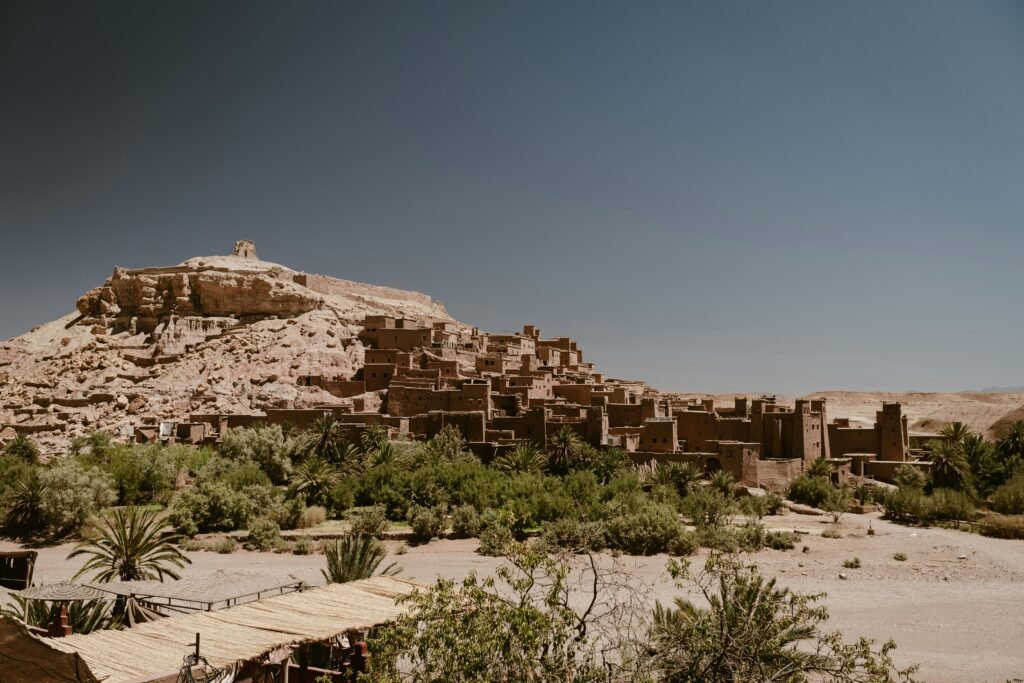
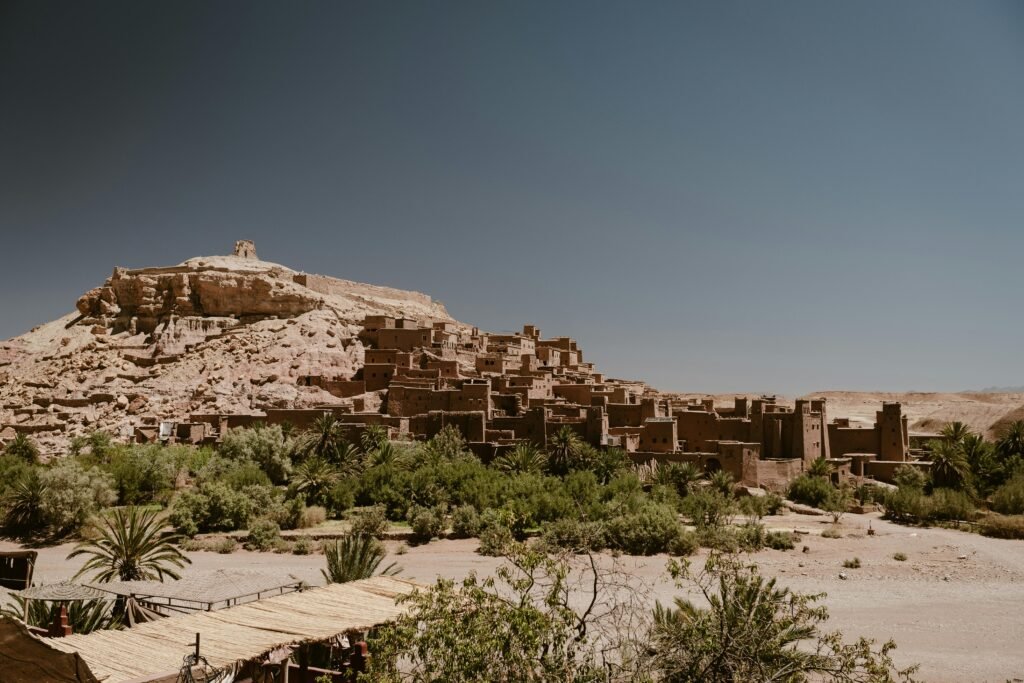
Aït Ben Haddou’s timeless appearance has made it one of the most sought-after filming locations in the world. Its dramatic walls and desert setting have appeared in major international productions, including Gladiator, The Mummy, Prince of Persia: The Sands of Time, and Kingdom of Heaven. These productions have contributed to the global fame of the ksar and reinforced Ouarzazate’s reputation as Morocco’s cinematic capital.
Ait Ben Haddou and Game of Thrones
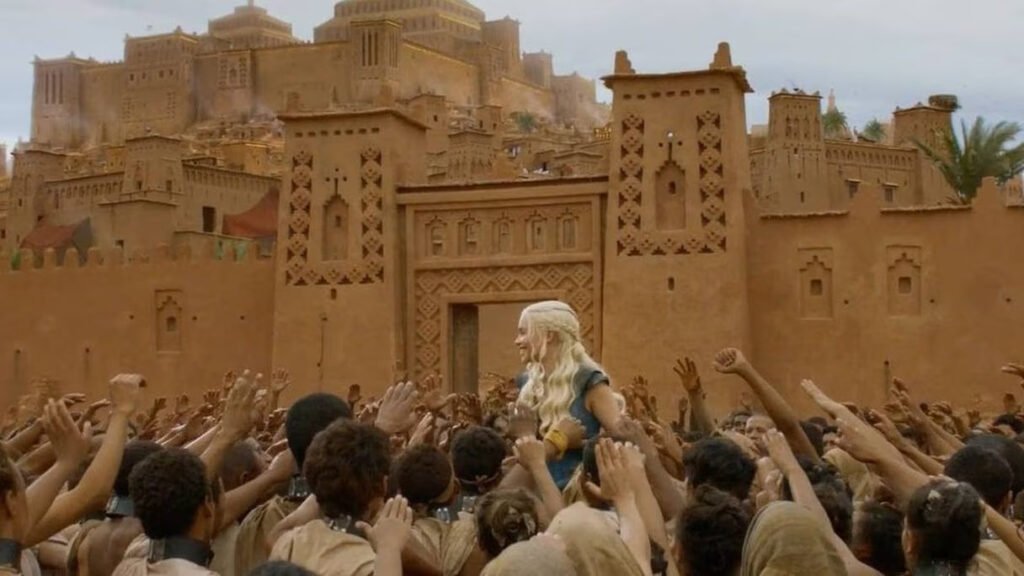
The ksar also gained renewed international attention through the hit HBO series Game of Thrones, where it served as the city of Yunkai. The imposing walls and arid surroundings perfectly captured the fictional atmosphere of George R.R. Martin’s world. For fans of the series, visiting Aït Ben Haddou feels like stepping directly into one of the show’s epic scenes.
Experiencing Ait Ben Haddou Today
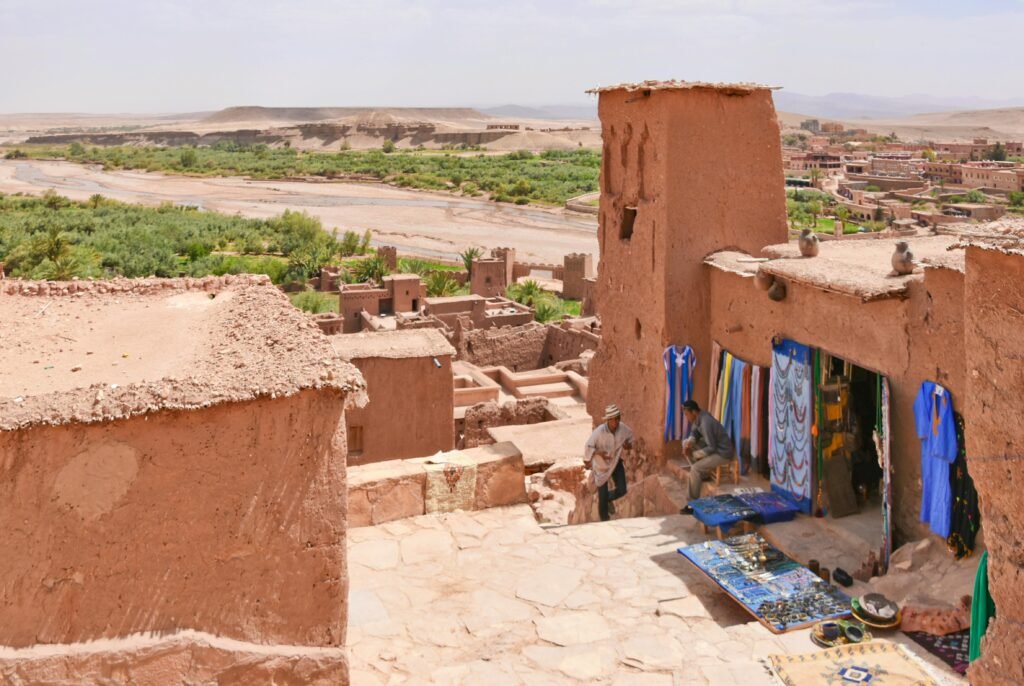
Today, Aït Ben Haddou remains a living heritage site. While most residents have moved to the modern village across the river, a few families still live within the ksar, preserving its authenticity. Visitors can explore the winding alleys at their own pace, interact with local artisans selling handmade crafts, and enjoy traditional Moroccan dishes in small rooftop cafés overlooking the valley. Climbing to the top of the hill rewards travelers with breathtaking panoramic views, especially at sunset when the earthen walls glow in warm golden tones.
When Is the Best Time to Visit Ait Ben Haddou?
The best time to visit Aït Ben Haddou is during spring (March to May) and autumn (September to November), when temperatures are mild and ideal for exploring on foot. Summers can be extremely hot due to the desert climate, while winter evenings may become quite cold. For comfortable sightseeing and photography, spring and autumn offer the most pleasant conditions.
How Do I Get From Marrakech to Ait Ben Haddou?
Traveling from Marrakech to Aït Ben Haddou takes approximately 3.5 to 4 hours by road, covering around 180 kilometers across the spectacular High Atlas Mountains. The journey itself is scenic and memorable, passing through dramatic mountain landscapes and traditional Berber villages. Visitors can hire a private driver, rent a car, or join a guided excursion with Morocco Global Travel. Many travelers combine the visit with Ouarzazate or continue toward the Sahara Desert and Merzouga for a complete desert experience.
What to Do Near Ait Ben Haddou
The surrounding region offers numerous attractions for travelers wishing to extend their journey. In Ouarzazate, visitors can explore Atlas Studios, one of the largest film studios in the world. Nature lovers can discover the High Atlas Mountains, palm groves, and dramatic gorges nearby. The region is perfect for hiking, photography, and cultural immersion.
Activities for Visitors in Ait Ben Haddou
Visitors can enjoy guided historical tours through the ksar, photography sessions during golden hour, shopping for authentic Berber handicrafts, and tasting traditional Moroccan cuisine such as tagine and mint tea. Adventurous travelers can also explore nearby valleys and hiking trails for panoramic views of the desert landscape.
Kasbah Ait Ben Haddou Tours from Marrakech
Morocco Global Travel offers a range of tailored experiences to Aït Ben Haddou, including private day trips from Marrakech, combined Ouarzazate and Atlas Mountains excursions, and multi-day Sahara desert tours toward Merzouga. Each tour is carefully designed to combine history, culture, landscapes, and authentic local encounters, ensuring a memorable Moroccan adventure.
Conclusion
Aït Ben Haddou is far more than a historical monument; it is a living testament to Morocco’s architectural brilliance and cultural depth. From its origins as a trans-Saharan trading hub to its global fame as a film location, the ksar continues to captivate visitors from around the world. Whether explored on a day trip or as part of a longer desert journey, Aït Ben Haddou offers an immersive travel experience filled with history, beauty, and authenticity.
FAQ’s
What is Ait Ben Haddou known for?
Aït Ben Haddou is known for its UNESCO World Heritage status, its remarkable mudbrick architecture, and its role as a filming location for major Hollywood productions.
What is a kasbah in Morocco?
A kasbah in Morocco is a fortified structure traditionally built from earth and stone, used for defense, residence, and community life.
How old is the Ksar Ait Ben Haddou?
The ksar dates back to the 11th century and played a key role along the trans-Saharan trade routes for centuries.
What was filmed in Ait Ben Haddou?
Films such as Gladiator, The Mummy, Prince of Persia, Kingdom of Heaven, and scenes from Game of Thrones were filmed here.
Do people live in Ait Ben Haddou?
Yes, although most residents now live in the nearby modern village, a small number of families still reside within the historic ksar.
Is Ait Ben Haddou worth visiting?
Yes, it is one of Morocco’s most iconic cultural landmarks and offers a unique combination of history, architecture, cinematic heritage, and stunning desert scenery.