Morocco Travel Guide
Planning your first trip to Morocco can feel exciting, but with so many incredible places, experiences, and travel options to choose from, knowing where to start can be challenging. This Morocco Travel Guide brings everything together to help you plan a memorable journey with confidence. From the vibrant streets of Marrakech and historic imperial cities to the breathtaking Atlas Mountains and golden Sahara Desert, Morocco offers an incredible mix of culture, adventure, nature, and authentic local experiences.
Whether you’re planning a short getaway, a family vacation, a romantic honeymoon, or a private Sahara adventure, this guide will help you discover the best places to visit in Morocco, the ideal time to travel, recommended itineraries, transportation options, travel costs, what to pack, and essential tips for first-time visitors. With the right planning, you can experience the highlights of Morocco while still leaving plenty of time to slow down, explore, and enjoy the country’s unique hospitality.
Understanding Morocco’s Climate
The climate of Morocco is as diverse as its landscapes, ranging from Mediterranean along the coast to arid conditions in the interior and snowy mountainous regions. Due to this variety, understanding the climatic zones is essential for travelers when planning their visit. The country generally experiences a Mediterranean climate in coastal areas, characterized by warm, dry summers and mild, wet winters. This makes spring (March to May) and autumn (September to November) particularly appealing times for tourists seeking pleasant weather for outdoor activities in cities like Casablanca and Tangier.
In contrast, the interior regions, including cities such as Marrakech and Fes, feature a more continental climate. Here, summers can be blisteringly hot, with temperatures often exceeding 40°C (104°F), particularly in July and August. However, winters can be quite chilly, especially at night. Therefore, those planning to travel to these regions should consider timing their visits for the shoulder seasons to enjoy a more temperate climate.
The mountainous areas, such as the High Atlas, present their own unique weather patterns. These regions are well-known for their snowfall during winter months, making them popular for skiing and snowboarding from December to March. The summer months, conversely, are ideal for hiking and exploring the stunning natural beauty of the mountains, with temperatures being much cooler than in the plains.
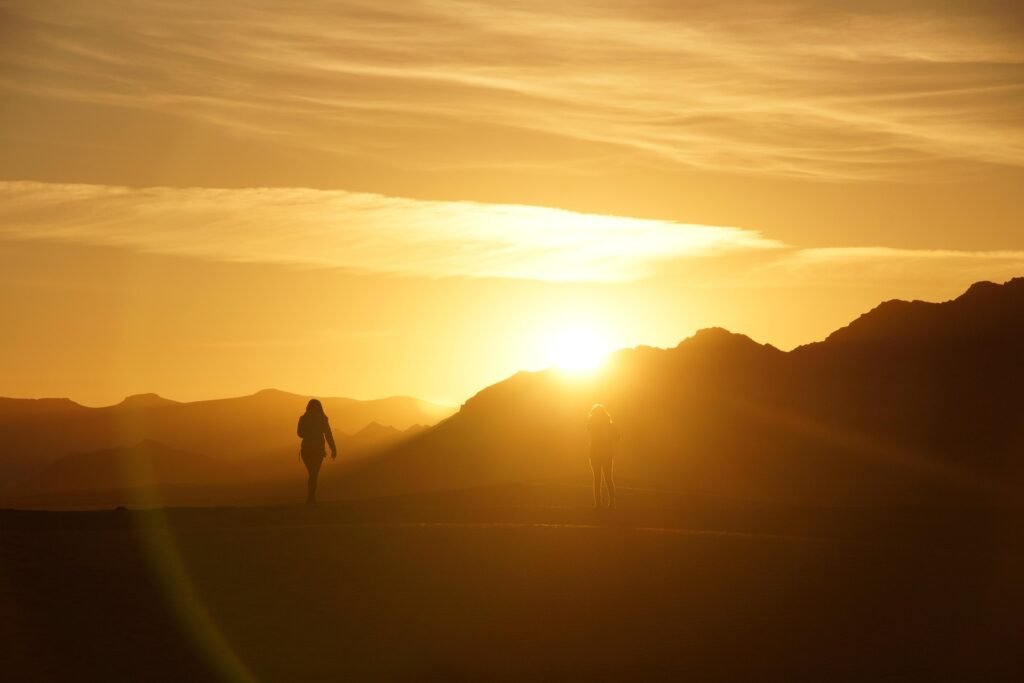
Travelers venturing into the Sahara Desert will experience significant temperature fluctuations, with scorching daytime conditions and substantially cooler nights. While the best time to visit the desert is during the cooler months of October to April, one should always be prepared for rapid temperature changes.
In summary, Morocco offers a wide array of climatic conditions that can greatly enhance or hinder travel experiences. Understanding these climatic zones and their respective best visiting times allows travelers to maximize their enjoyment and fully immerse themselves in the rich cultural experiences that each region has to offer.
Essential Travel Formalities
Traveling to Morocco involves adhering to specific formalities that vary depending on your nationality. The primary requirement for entering Morocco is a valid passport, which should typically have at least six months of validity remaining beyond your planned departure date. It is crucial for travelers to ensure their passport is in good condition and that all information is clearly legible to avoid any potential issues at immigration.
Visa requirements depend on your country of origin. While citizens from many countries enjoy visa-free entry for short stays, others may require a visa prior to arrival. For instance, citizens of the European Union, the United States, Canada, and several other nations can enter Morocco without a visa for stays of up to 90 days. However, it is essential to check the latest visa regulations from official sources or the Moroccan consulate prior to travel, as policies can change.
For those who need a visa, the application process may involve submitting a completed application form, passport-sized photographs, proof of accommodation, an itinerary, and evidence of sufficient financial means for the duration of the stay. Additionally, some travelers may require a travel authorization or specific documents depending on their reason for visiting Morocco, such as work permits for employment-related travel.
Health considerations are also crucial; travelers should ensure they have comprehensive travel insurance covering health issues and unexpected events during their stay. It’s advisable to check for any recommended vaccinations or health alerts that may pertain to traveling in Morocco. By paying attention to these essential travel formalities, visitors can ensure a smooth and enjoyable experience during their visit to this vibrant North African country.
Language and Communication Tips
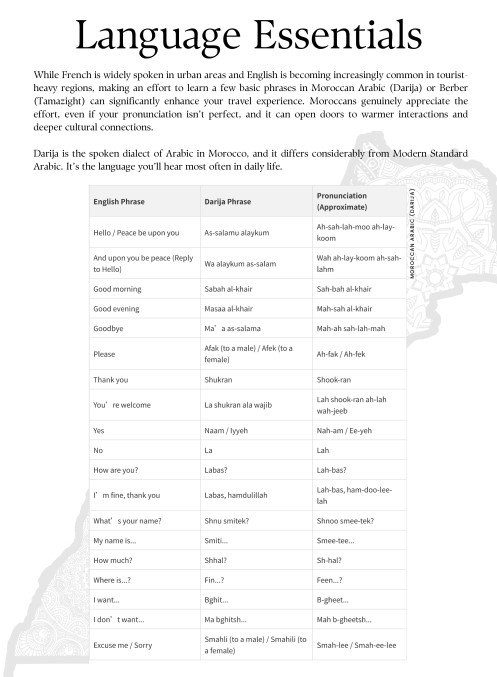
Morocco is a culturally rich country where language plays an essential role in communication. The official languages of Morocco are Arabic and Berber, reflecting its diverse cultural heritage. Arabic is predominantly spoken, particularly in its standard form, Modern Standard Arabic, while Moroccan Arabic, known as Darija, includes many local dialects and is often used in everyday conversation. Berber, recognized as an official language, is spoken by various Berber communities across the nation, and it includes three main dialects: Tamazight, Tashelhit, and Tarifit.
For travelers, learning a few common phrases in Arabic or French can enhance their interactions. French is widely used in urban areas, business, and as the second language in education, making it helpful for navigating through cities and engaging with locals. Simple greetings, such as “Salam” (Hello) and farewells like “Bslama” (Goodbye), as well as polite expressions like “Shukran” (Thank you) and “Afak” (Please), often serve to bridge communication gaps.
Cultural nuances are crucial in communication; for instance, greetings can be important in establishing a rapport. It is customary to greet individuals with a handshake, often coupled with the question “Kayfa halak?” which means “How are you?” Understanding body language and maintaining eye contact are also key for building trust and facilitating positive interactions. Furthermore, be aware that Moroccan culture appreciates warmth and respect, often reflected in the hospitality shown to visitors. This includes offers of tea, which is a traditional sign of welcome.
Overall, while it is possible to navigate Morocco using English in tourist areas, adopting a basic understanding of the local languages and communication styles not only enriches the travel experience but also demonstrates respect for the culture. Such gestures can foster goodwill and make your interactions in Morocco more rewarding.
Health Considerations for Travelers
Traveling to Morocco can be a delightful experience, but it is essential to prioritize your health during your journey. As with any international travel, it is advisable to consult with a healthcare professional several weeks prior to your departure. This consultation should focus on necessary vaccinations and health advisories specific to Morocco. Common vaccinations recommended for travelers include Hepatitis A, Hepatitis B, Typhoid, and Rabies, especially if you plan to visit rural areas or interact closely with local wildlife.
In addition to vaccinations, travelers should be aware of the health risks associated with food and water safety. To avoid foodborne illnesses, it is advisable to consume bottled or boiled water, and to eat well-cooked meals. Fruits and vegetables should be peeled or washed thoroughly, as contamination can occur. Travelers are encouraged to practice good hygiene, such as frequent handwashing, to minimize the risk of illness.
Health insurance that covers international travel is another critical consideration. Ensure that your health plan extends to coverage in Morocco, including emergency care. If you require specific medications, it is best to carry them in their original packaging, along with a copy of the prescription. Be mindful of local healthcare facilities; major cities like Marrakech and Casablanca have hospitals that can provide quality care. It is advisable to research local clinics, emergency numbers, and hospitals ahead of time. The general emergency number in Morocco is 19, which connects to police services.
Moreover, keeping a basic first aid kit can come in handy for minor health issues, such as cuts or stomach upset. Travelers are also encouraged to register with their country’s consulate upon arrival. This can provide an additional layer of support in case of emergency. Staying informed about the latest health advisories related to Morocco will ensure a safer and more enjoyable travel experience.
Currency and Money Matters
When traveling to Morocco, understanding the currency and money management is essential for a smooth experience. The official currency of Morocco is the Moroccan Dirham (MAD). It is recommended to familiarize yourself with the current exchange rates before your journey, as these can fluctuate. Various online resources provide updated rates, simplifying your budgeting process. When you arrive, exchanging money can be completed at airports, banks, or authorized currency exchange offices. Remember to compare rates, as they may vary significantly.
Before departing, ensure that you have a plan for handling expenses during your stay. Many travelers find it helpful to establish a daily budget, which can cover accommodations, food, activities, and transportation. This approach not only helps in managing spending but also alleviates the stress associated with unexpected costs. It is advisable to consider the average prices of items and experiences in Morocco, ensuring an adequate allocation of funds.
When it comes to payment methods, both cash and credit cards have their advantages and disadvantages. While major cities and tourist areas often accept credit cards, smaller towns and markets might require cash transactions. Therefore, it is prudent to carry a mixture of both. Local ATM machines are available and accept international debit and credit cards, allowing easy access to cash as needed. However, be cautious of potential withdrawal fees and always notify your bank of your travel plans to avoid any transaction issues.
In conclusion, managing currency and financial transactions in Morocco can be straightforward with proper planning. Equipped with knowledge about the Moroccan Dirham, effective budgeting techniques, and an understanding of payment options, travelers can enjoy their journey with greater financial confidence.
Time Zones and Local Customs
Morocco is situated in the Western European Time Zone (WET), which is UTC+0 during standard time. However, during the daylight saving period, the clocks move forward to UTC+1. Daylight saving time typically begins in the last week of March and ends in the last week of October. This duality of time zones may require travelers to adjust their schedules accordingly, particularly when coordinating with flights, local events, and meeting times. It is essential for visitors to keep these time differences in mind, especially when communicating with acquaintances or service providers from other time zones.
In addition to understanding the time zone differences, it is crucial to respect local customs surrounding time management. In Morocco, societal norms regarding punctuality can be less rigid than those found in some Western cultures. While important appointments and business meetings may adhere to set times, social gatherings often allow for a degree of flexibility. Moroccans may arrive later than indicated for dinner parties or gatherings, and this is generally accepted as part of the cultural experience.
Furthermore, the concept of time in Morocco can be perceived as fluid, particularly in more traditional settings. This approach reflects a broader view of life where relationships and community bonds hold significant importance, often taking precedence over strict adherence to schedules. Be prepared for a relaxed atmosphere, especially in rural areas, where the pace of life may differ markedly from the hustle and bustle of urban centers like Casablanca or Marrakech.
In conclusion, understanding Morocco’s time zone alongside its local customs regarding time management is vital for an enjoyable visit. By being mindful of these aspects, travelers can navigate their experiences in Morocco more effectively, fostering positive interactions and connections with locals.
Transport Options Within Morocco
Exploring Morocco offers a unique blend of vibrant culture, stunning landscapes, and rich history. To navigate this diverse country effectively, understanding the various transport options available is essential. Transport in Morocco can be categorized into public transport, car rentals, and intercity travel options, each offering different experiences in terms of pricing, convenience, and safety.
Public transport in Morocco is extensive and generally affordable. Major cities such as Marrakech, Casablanca, and Fes are served by a reliable network of buses and trams, making it easy for travelers to get around. The ONCF operates a national rail service that connects many popular destinations. Trains in Morocco are relatively comfortable, with various classes of service catering to different budgets. Booking tickets in advance is recommended, particularly during peak tourist seasons.
For travelers seeking flexibility, renting a car can be advantageous. Many international and local car rental companies operate in urban centers and major airports, offering a range of vehicles to suit different needs. Driving in Morocco can provide access to off-the-beaten-path locations, but it is essential to be aware of local traffic norms and road conditions. Pricing for car rentals can vary greatly based on vehicle class and rental duration, so comparing options is advisable.
When considering intercity travel, taxis are a popular choice, especially in cities. However, there are two types of taxis: petit taxis for short distances within city limits and grand taxis for longer routes between cities. Grand taxis are shared vehicles typically accommodating multiple passengers, which can make them a cost-effective option, though slightly less comfortable during busy travel times. It is crucial for travelers to negotiate fares or ensure meters are used when applicable to avoid misunderstandings.
In summary, transportation in Morocco is diverse and caters to a variety of travel preferences. Whether utilizing public transport, renting a vehicle, or opting for taxis, understanding the options available will enhance the overall travel experience extensively.
Accommodation Choices and Recommendations
When planning a trip to Morocco, selecting the right accommodation is crucial for enhancing your overall experience. The country offers a wide array of lodging options that cater to various preferences and budgets. From opulent hotels to affordable hostels, and unique local living arrangements such as riads, you will find suitable choices that enhance your Moroccan journey.
Luxury travelers may opt for high-end hotels found in major cities like Marrakech and Casablanca. These hotels offer lavish amenities, world-class services, and often stunning views of nearby landscapes or historical sites. Notable options in Marrakech include the iconic La Mamounia and the Royal Mansour, where guests can immerse themselves in both comfort and local culture.
For those on a tighter budget, hostels can be an excellent choice, particularly in urban areas. Many of these hostels not only provide affordable accommodation but also foster a social environment where travelers can meet and exchange experiences. Popular choices include Marrakech’s Equity Point and Casablanca’s Hostel Espace, both known for their welcoming atmospheres and convenient locations.
An increasingly popular option among visitors is the traditional Moroccan riad. These guesthouses, often configured around a central courtyard, provide a chance to experience authentic Moroccan hospitality in a more intimate setting. Staying in a riad allows travelers to enjoy local cuisine and the distinct architectural style characteristic of Moroccan homes. Recommended riads include Riad Kniza in Marrakech and Riad Cèdre in Fes, both praised for their charm and guest service.
Moreover, the choice of accommodation can vary significantly depending on the region. Coastal cities such as Essaouira and Agadir offer beachfront resorts that appeal to those seeking sun and sea, while the mountainous regions may provide lodges ideal for nature enthusiasts. Ultimately, ensuring that your accommodation aligns with your interests and travel style is key to making the most of your time in Morocco.
Culinary Delights and Food Culture
Moroccan cuisine is a rich tapestry of flavors, aromas, and textures, reflecting the country’s diverse history and cultural influences. From the Mediterranean to the Sahara, each region has its unique culinary offerings, making it essential for travelers to delve into this vibrant food culture during their visit. Traditional Moroccan dishes are characterized by a blend of spices such as cumin, coriander, cinnamon, and saffron, which create the signature taste that delights the palate.
One of the most iconic dishes is tagine, a slow-cooked stew named after the clay pot in which it is cooked. Common variations include lamb with prunes, chicken with preserved lemons, and vegetarian options packed with seasonal vegetables. Couscous, another staple of Moroccan food, is often served with stews in social gatherings and festive occasions. Additionally, street food lovers should not miss trying a savory pastilla, a flaky pastry typically filled with pigeon or chicken, cinnamon, and almonds.
Dining etiquette is equally important to understand when exploring Moroccan cuisine. It is customary to eat with one’s right hand, using bread to scoop up food instead of using utensils. Meals often begin with a soup known as harira, especially during Ramadan, and conclude with sweet treats like baklava and seasonal fruits. It’s also common for hosts to serve mint tea, which symbolizes hospitality and is an integral part of Moroccan cultural identity.
For those wishing to experience local flavors, food markets such as the vibrant souks of Marrakech or the coastal fish markets of Essaouira offer an eclectic mix of fresh produce and spices. Recommended restaurants, such as Le Tobsil in Marrakech or La Table de Murielle in Fes, provide an unforgettable dining experience, showcasing the artistry of Moroccan chefs. Overall, immersing oneself in the culinary delights of Morocco is a must for any traveler eager to understand the heart of this beautiful nation.
Top Destinations to Explore in Morocco
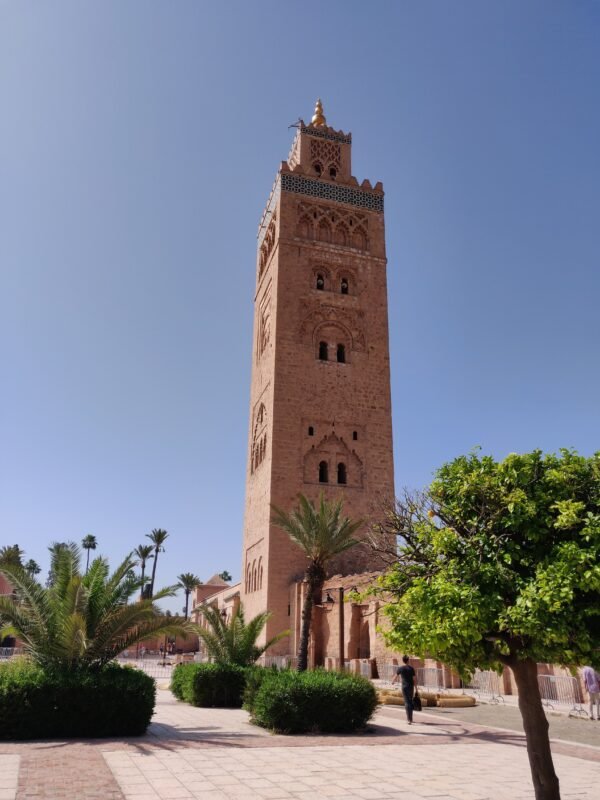
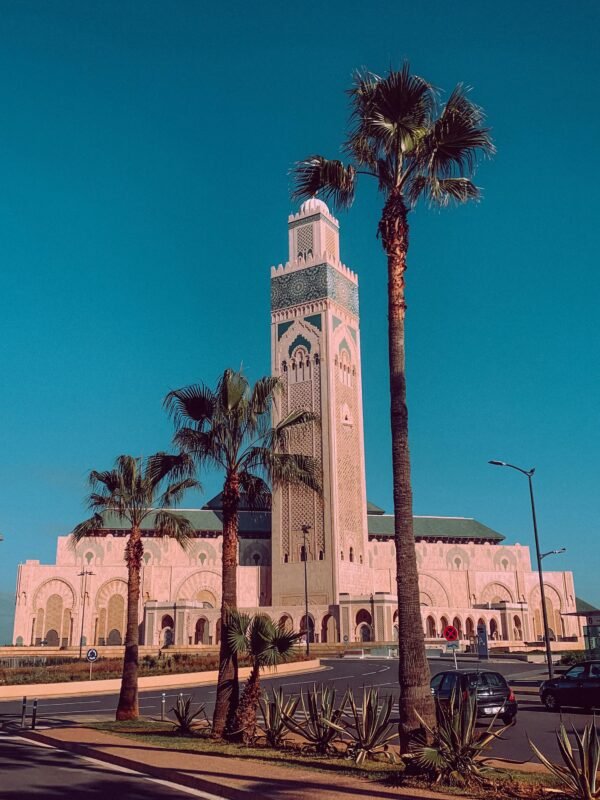
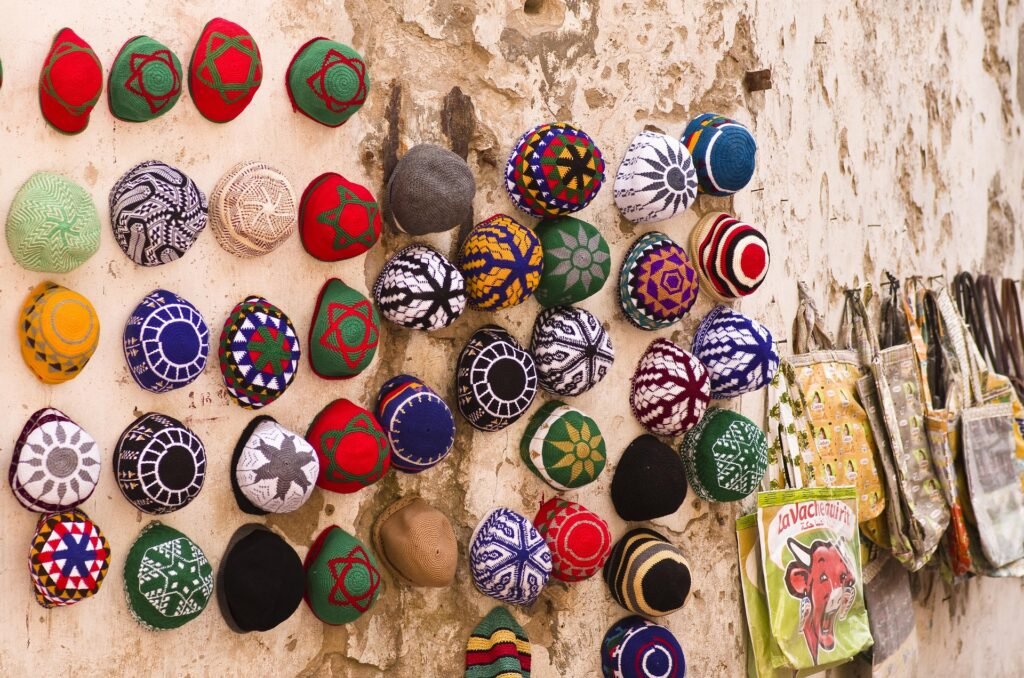
Morocco is a land of rich culture and breathtaking landscapes, offering travelers a diverse range of destinations to explore. From bustling cities to serene landscapes, the country has much to offer. One of the must-visit cities is Marrakech, renowned for its vibrant souks, historic palaces, and the mesmerizing Jemaa el-Fnaa square. Here, visitors can enjoy traditional performances, sample local street food, and immerse themselves in the vibrant atmosphere that defines Moroccan culture.
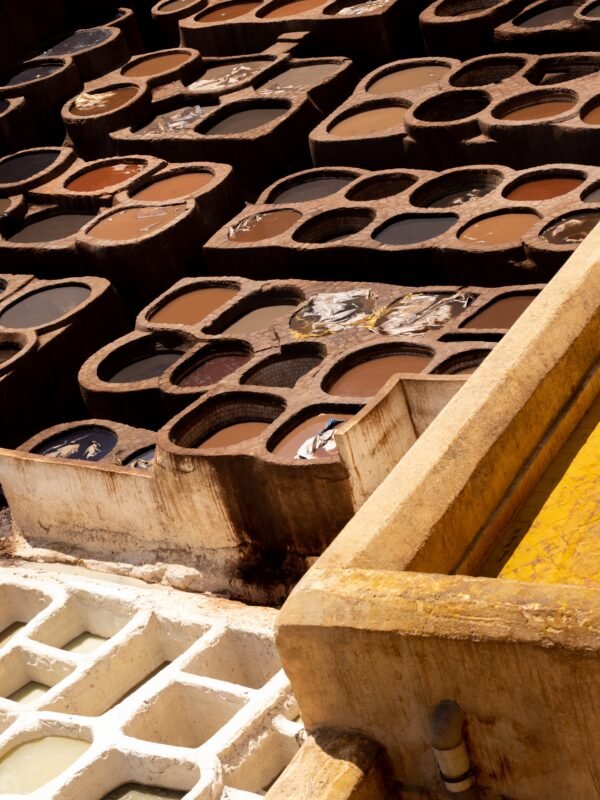
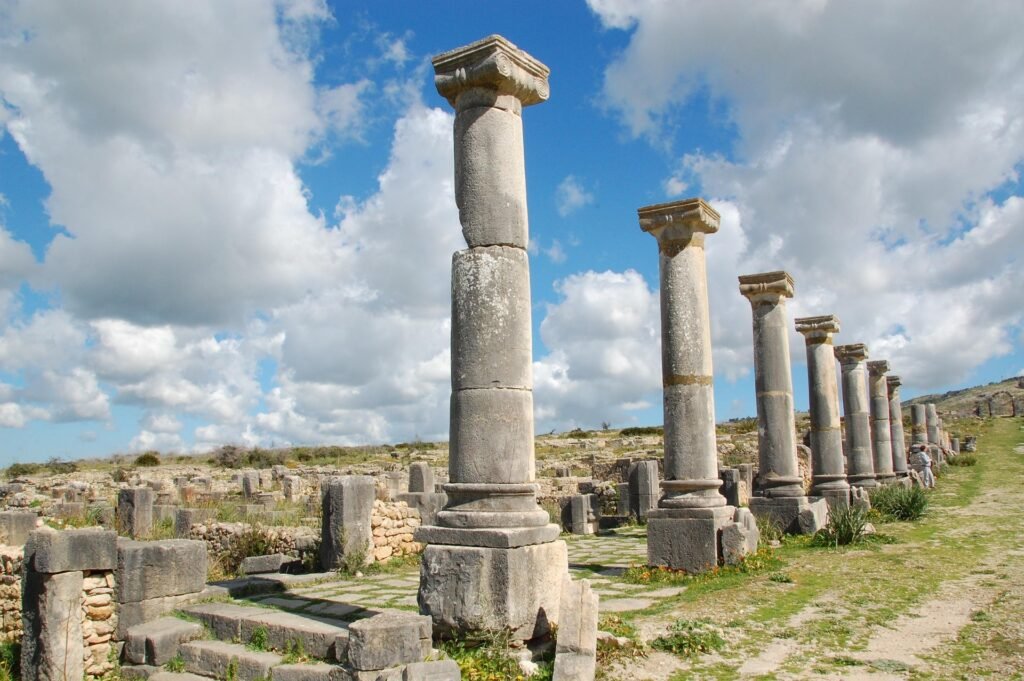
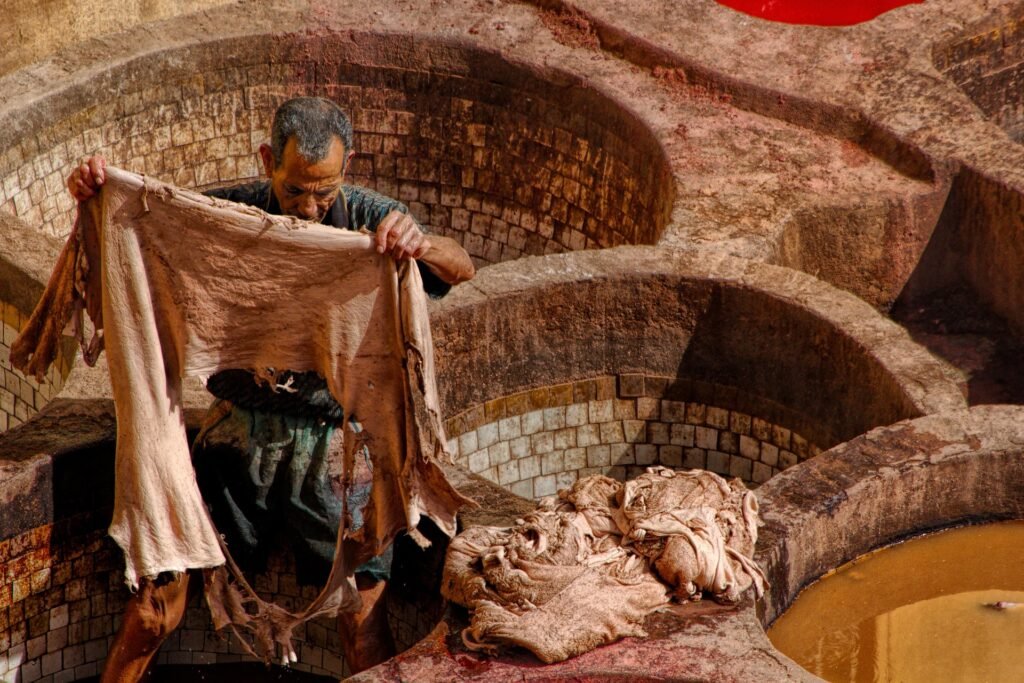
Another notable destination is Fes, famed for its well-preserved medieval architecture and the oldest university in the world. The city’s labyrinthine streets invite exploration, allowing travelers to discover artisan workshops, ancient mosques, and the bustling atmosphere of the medina. For those interested in history, a visit to the ancient Roman ruins of Volubilis near Meknes is highly recommended, showcasing remnants of a once-thriving civilization.
For a change of scenery, the coastal city of Essaouira presents a relaxed ambiance, with its charming blue and white architecture, long beaches, and thriving art scene. The city is also recognized for its fresh seafood and windsurfing opportunities. Nature enthusiasts should not miss the breathtaking Atlas Mountains, where trekking and climbing experiences await, providing an ideal balance of adventure and stunning vistas.
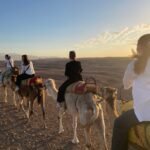
In addition to these highlights, the Sahara Desert offers travelers an unforgettable experience. Adventure seekers can partake in camel treks across the dunes, spend nights under the stars, and experience the unique nomadic lifestyle.
When planning an itinerary, it is beneficial to consider the distances between destinations and the various modes of transportation available, from trains to rented vehicles. Including a mix of urban exploration and nature immersion can ensure a well-rounded Moroccan adventure.