Planning a trip to Morocco in 2026 and wondering, “Is Morocco safe to visit?” For most travelers, the answer is yes. Morocco remains one of the most popular destinations in North Africa, welcoming millions of visitors who come to experience its historic cities, colorful souks, Atlas Mountain landscapes, Atlantic coastline, and Sahara Desert.
From exploring the medinas of Marrakech and Fes to riding camels across the dunes of Merzouga, Morocco offers a wide range of experiences for solo travelers, couples, families, students, and organized groups. Like anywhere in the world, however, traveling safely requires awareness, common sense, and a little preparation.
This Morocco safety guide for 2026 covers what travelers should know before visiting, including personal safety, scams, transportation, solo travel, women traveling alone, food and water, desert trips, health precautions, and practical tips for having a comfortable journey.
Is Morocco Safe to Visit in 2026?
Yes, Morocco is generally safe for tourists in 2026, particularly in the main destinations visited by international travelers.
Popular tourist areas such as Marrakech, Fes, Casablanca, Rabat, Chefchaouen, Essaouira, Agadir, and the Sahara Desert receive travelers throughout the year. Tourism is an important part of Morocco’s economy, and visitors will find established tourism infrastructure, hotels, riads, restaurants, guides, transportation services, and tour operators across the country.
That does not mean you should switch off your awareness completely.
The same basic precautions that you would use when traveling in other major destinations are recommended in Morocco. Keep your belongings secure, be cautious around unfamiliar situations, avoid displaying large amounts of cash, and pay attention to your surroundings in busy areas.
For most visitors, the biggest practical concerns are not serious crime but relatively minor issues such as pickpocketing, persistent sales approaches, unofficial guides, taxi misunderstandings, and tourist scams.
Is Marrakech Safe for Tourists?


Marrakech is generally safe for tourists, and it is one of Morocco’s most visited cities.
The Medina can feel overwhelming at first. Narrow streets, motorcycles, bicycles, pedestrians, shopkeepers, street performers, food stalls, and local residents all share the same spaces. The atmosphere is energetic rather than dangerous, but visitors should stay alert.
Jemaa el-Fnaa, the souks, Bahia Palace, Koutoubia Mosque area, and other major attractions are busy throughout the day.
A few simple habits make exploring Marrakech much easier:
- Keep your phone and wallet secure in crowded areas.
- Avoid carrying large amounts of cash.
- Be careful when following unsolicited directions from strangers.
- Use official taxis or transportation arranged through your accommodation or tour provider.
- Agree on taxi prices or ensure the meter is used where applicable.
- Be especially aware of motorcycles and scooters in the Medina.
- Keep valuables in a secure bag rather than an open backpack.
- If someone insists on guiding you somewhere, politely decline if you do not need assistance.
The Medina is part of the experience. You do not need to be afraid of it—you simply need to understand how busy it can be.
Is the Sahara Desert Safe?


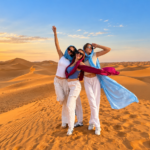
Yes. Sahara Desert tours are generally safe when organized through reputable tour operators and experienced local guides or drivers.
For travelers visiting places such as Merzouga and Erg Chebbi, the most important safety considerations are practical rather than alarming.
Desert conditions can be extreme. Temperatures may change dramatically between daytime and nighttime, and summer heat can be particularly intense.
During a desert trip:
- Drink plenty of water.
- Protect yourself from direct sun.
- Wear comfortable shoes.
- Bring sunglasses and sunscreen.
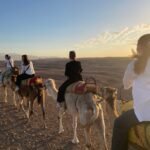
- Follow your guide’s instructions during camel rides.
- Tell your tour operator about important dietary or mobility requirements.
- Keep your passport and valuables secure.
- Avoid wandering far from your camp without informing your guide.
- Bring appropriate layers because desert nights can become surprisingly cool.
A well-organized Sahara experience is one of the highlights of traveling through Morocco.
Is Morocco Safe for Families?
Morocco can be an excellent destination for family travel.
Families can enjoy camel rides, desert camps, cooking classes, beach destinations, cultural experiences, mountain excursions, and historic attractions.
Children often find Morocco especially exciting because the country provides experiences that feel very different from everyday life: colorful markets, traditional Moroccan food, camel trekking, ancient kasbahs, and nights under the stars in the desert.
Parents should focus on the usual family travel precautions.
Keep children close in busy medinas, particularly around roads and crowded market areas. Carry water when exploring cities, take breaks during hot weather, and avoid packing too many activities into a single day.
One of the best ways to make family travel easier is to choose an itinerary with a comfortable pace rather than trying to see every major attraction in one trip.
Is Morocco Safe for Solo Travelers?
Yes. Morocco is visited by many solo travelers, including backpackers, independent travelers, photographers, digital nomads, and adventure travelers.
Solo travel can be extremely rewarding because it gives you greater flexibility to explore cities and interact with local communities.
However, solo travelers should take a few additional precautions.
Stay in accommodation with good reviews, especially if arriving late at night. Keep important documents and emergency contacts accessible. Avoid walking alone through unfamiliar areas late at night, particularly if you do not know the neighborhood.
When visiting the desert or remote mountain areas, joining an organized excursion can also be more convenient than attempting to navigate independently.
If you are traveling alone and feel uncomfortable in a particular situation, trust your instincts and move toward a busy public place, hotel, restaurant, or established business.
Is Morocco Safe for Women Traveling Alone?
Many women travel independently through Morocco, and solo female travelers regularly visit destinations such as Marrakech, Fes, Chefchaouen, Essaouira, and the Sahara.
That said, women traveling alone may experience unwanted attention or persistent approaches in some tourist areas.
This does not mean Morocco should be avoided. It means travelers should understand the local environment and establish clear boundaries.
Some practical tips include:
- Dress respectfully, particularly outside major tourist areas.
- Stay in well-reviewed accommodation.
- Keep your phone charged.
- Share your itinerary with someone you trust.
- Avoid accepting unsolicited invitations from strangers.
- Be confident and direct when declining unwanted attention.
- Use established transportation services.
- Consider joining organized tours for remote areas.
- Keep emergency contacts easily accessible.
Solo female travelers often find that having a clear plan and staying confident makes a significant difference.
Is Pickpocketing a Problem in Morocco?
Pickpocketing can occur in crowded tourist areas, just as it can in major cities around the world.
Busy medinas, markets, train stations, public transportation, and crowded squares are the places where travelers should pay the most attention.
Consider using a crossbody bag that closes securely. Avoid putting your phone in an easily accessible back pocket, and do not leave valuables unattended on restaurant tables or in open bags.
You do not need expensive anti-theft equipment. Basic awareness goes a long way.
Is Public Transportation Safe in Morocco?
Morocco has an extensive transportation network connecting many major destinations.
Trains are particularly useful for journeys between cities such as Marrakech, Casablanca, Rabat, and Fes. Long-distance buses are another option, while private transfers are convenient for destinations that are less directly connected by rail.
When using public transportation:
- Keep your luggage close.
- Keep valuables with you rather than in easily accessible luggage.
- Purchase tickets through official channels.
- Arrive at stations with enough time.
- Confirm your destination before boarding.
- Be particularly careful with belongings at busy stations.
For travelers following a multi-city itinerary, combining trains with private transfers can provide a comfortable balance between convenience and cost.
Is Driving in Morocco Safe?
Driving in Morocco is possible for experienced travelers, but it may not be the most relaxing option for everyone.
Traffic in major cities can be busy, while mountain roads and rural routes require additional attention.
Drivers should expect motorcycles, scooters, pedestrians, animals, cyclists, and vehicles that may behave differently from what they are accustomed to at home.
If you are uncomfortable driving in unfamiliar conditions, hiring a professional driver can make a Morocco trip significantly easier.
This is particularly useful for itineraries involving the High Atlas Mountains, Ait Ben Haddou, Dades Valley, Todra Gorge, and the Sahara Desert.
Is Moroccan Food Safe to Eat?
Moroccan cuisine is one of the country’s greatest attractions.
Visitors can enjoy tagines, couscous, pastilla, harira, fresh salads, grilled meats, Moroccan bread, dates, olives, mint tea, and countless regional specialties.
Food is generally safe when consumed from clean, established restaurants and reputable accommodations.
Travelers with sensitive stomachs should take a little extra care during the first few days.
Choose busy restaurants where food turnover is high, make sure meat is properly cooked, and exercise caution with food that has been sitting outside for long periods.
Street food can also be part of the Moroccan experience. Instead of avoiding it completely, look for busy stalls with high local turnover and good hygiene practices.
Can You Drink Tap Water in Morocco?
Water quality varies depending on location and individual tolerance.
Many locals drink tap water, but international visitors with sensitive stomachs may prefer bottled, filtered, or treated water.
If you are unsure, ask your hotel, riad, or tour operator about the local water supply.
When traveling in rural areas or the desert, carry enough drinking water with you.
Health and Medical Safety in Morocco
Morocco has hospitals, clinics, pharmacies, and medical facilities in major cities.
Travel insurance is strongly recommended because medical treatment, emergency transportation, and unexpected travel disruptions can become expensive.
Before traveling, make sure you have:
- Appropriate travel insurance.
- Copies of important documents.
- Necessary prescription medication.
- Basic first-aid supplies.
- Emergency contact information.
- Your accommodation details.
If you take prescription medication, bring enough for your trip and keep it in its original packaging.
Morocco Travel Safety for LGBTQ+ Travelers
Travelers should understand Morocco’s local laws and social norms before visiting.
Public displays of affection may attract unwanted attention, and visitors should exercise discretion regarding personal relationships and behavior.
It is important to research current local regulations before traveling and respect local customs.
As with any destination, travelers should distinguish between tourist areas, local communities, and private accommodation environments rather than assuming that social attitudes are identical everywhere.
What About Natural Disasters and Extreme Weather?
Morocco experiences different environmental conditions depending on the region.
The country has mountains, desert areas, coastlines, and major urban centers, meaning weather conditions can vary significantly.
Travelers should monitor weather conditions when planning mountain excursions, desert trips, and long-distance road journeys.
During very hot periods, avoid unnecessary midday exposure and stay hydrated.
In the mountains, conditions can change quickly, particularly during winter.
The best approach is not to worry about every possible scenario but to check conditions before setting out and listen to local advice.
Are Morocco’s Tourist Areas Safe at Night?
Major tourist areas can remain active well into the evening, particularly in cities such as Marrakech.
However, being in a busy tourist destination does not mean every street is equally suitable for late-night walking.
Stay on well-used routes, especially when you are unfamiliar with the area.
If you have been out late, using a reputable taxi or transportation arranged through your accommodation can be more comfortable than navigating unfamiliar streets on foot.
How to Stay Safe in Morocco: Practical Tips
A safe Morocco trip usually comes down to simple habits.
1. Keep Your Valuables Secure
Carry only what you need for the day and keep your passport and extra cash somewhere secure.
2. Respect Local Customs
Morocco is a culturally diverse country with strong traditions. Dressing respectfully and behaving appropriately will make interactions easier.
3. Learn a Few Local Words
A few words in Moroccan Arabic, French, or Amazigh can make everyday interactions easier.
Simple expressions such as “thank you,” “please,” and “no thank you” can be surprisingly useful.
4. Use Reputable Tour Operators
For desert excursions, mountain trips, and multi-day tours, choose established providers with transparent itineraries and clear inclusions.
5. Keep Digital Copies of Documents
Store copies of your passport, insurance information, flight details, and important contacts securely online.
6. Don’t Let Fear Prevent You From Exploring
Morocco is a destination that rewards curiosity.
Stay aware, but don’t spend your entire trip worrying about potential problems. Most travelers experience Morocco without serious safety issues.
Is Morocco Safe for American Travelers?
Morocco is a popular destination for travelers from the United States.
American visitors can explore Morocco independently or choose private, family, group, luxury, honeymoon, or adventure tours depending on their travel style.
For first-time visitors from the United States, having airport transfers and organized transportation for longer routes can make the experience considerably easier.
This is particularly useful when combining Marrakech with the Atlas Mountains, Ait Ben Haddou, the Dades Valley, and the Sahara Desert.
Is Morocco Safe for European Travelers?
Morocco’s proximity to Europe makes it particularly popular with European travelers.
Cities such as Marrakech, Tangier, Fes, Casablanca, and Agadir are well connected to European destinations, making Morocco suitable for both short breaks and longer holidays.
The same general safety principles apply: protect your belongings, respect local customs, use reputable transportation, and stay aware in crowded areas.
What Should You Do in an Emergency?
If you experience an emergency while traveling, contact the appropriate local emergency service and seek assistance from your hotel, riad, tour operator, or local authorities.
It is also useful to keep your country’s embassy or consulate information available before departure.
Travel insurance can provide additional support for medical emergencies, lost belongings, cancellations, and other unexpected situations depending on your policy.
Is Morocco Safe for First-Time Visitors?
Yes. Morocco can be an excellent destination for first-time international travelers.
The country offers a combination of established tourism infrastructure and authentic cultural experiences.
The biggest adjustment for many first-time visitors is simply the intensity of the environment.
Marrakech’s Medina can be noisy. The souks can be crowded. Moroccan cities can feel chaotic compared with highly organized tourist destinations.
But after a day or two, most travelers become more comfortable navigating the rhythm of the country.
The best approach is to remain curious while using common sense.
What Are the Safest Places to Visit in Morocco?
Morocco’s major tourist destinations are generally well accustomed to international visitors.
Popular destinations include:
Marrakech — ideal for first-time visitors, culture, food, souks, palaces, and day trips.
Fes — famous for its historic Medina, traditional crafts, and cultural heritage.
Chefchaouen — known for its blue-painted streets and mountain setting.
Essaouira — a relaxed Atlantic coastal destination with a strong artistic atmosphere.
Agadir — popular for beaches, resorts, and a more relaxed holiday environment.
Merzouga — the gateway to Erg Chebbi and Sahara Desert experiences.
Rabat — Morocco’s capital, combining history, modern infrastructure, and a calmer atmosphere.
Casablanca — the country’s major business center and an important gateway for international travelers.
Final Verdict: Is Morocco Safe to Visit in 2026?
So, is Morocco safe to visit in 2026?
For the vast majority of travelers, yes.
Morocco is an established tourist destination with a wide range of accommodation, transportation, tour operators, restaurants, attractions, and travel services.
Most visitors are much more likely to encounter a busy market, an enthusiastic shopkeeper, a confusing Medina street, or an unexpectedly delicious tagine than a serious safety problem.
The key is preparation.
Keep your belongings secure. Respect local customs. Use reputable transportation and tour services. Stay aware in crowded places. Take extra precautions when traveling alone or exploring remote areas. And above all, use common sense.
Once you understand how to navigate Morocco’s cities, transportation, culture, and markets, you can relax and enjoy what makes the country so special.
From the colorful streets of Marrakech to the blue alleys of Chefchaouen, from the ancient medinas of Fes to the endless dunes of the Sahara, Morocco offers an unforgettable travel experience.
Travel informed, stay aware, and give yourself the freedom to enjoy Morocco.
Frequently Asked Questions About Safety in Morocco
Is Morocco safe for tourists in 2026?
Yes. Morocco is generally considered a safe destination for tourists, particularly in established tourist areas. Visitors should still use normal precautions against petty theft, scams, and other common travel problems.
Is Marrakech safe for tourists?
Yes. Marrakech is one of Morocco’s most visited destinations and welcomes international travelers throughout the year. Visitors should remain particularly aware of their belongings and surroundings in crowded areas such as the Medina and Jemaa el-Fnaa.
Is Morocco safe for solo travelers?
Yes. Solo travelers regularly visit Morocco. Staying in reputable accommodation, using established transportation, and exercising additional caution at night can make solo travel more comfortable.
Is Morocco safe for families?
Yes. Morocco can be an excellent family destination, offering camel rides, desert camps, cooking classes, beaches, mountain excursions, and cultural activities suitable for different age groups.
Is the Sahara Desert safe?
Yes. Organized Sahara Desert trips are generally safe when travelers use reputable tour operators and follow their guides’ instructions. The main considerations are heat, hydration, sun exposure, and changing desert temperatures.
Are there scams in Morocco?
Tourist scams can occur, particularly in busy tourist areas. Common examples include unofficial guides, taxi price disputes, unsolicited assistance, and inflated prices. Clear communication and using reputable services can reduce these problems.
What is the most important Morocco safety tip?
The most important tip is to stay aware without becoming overly worried. Protect your valuables, respect local customs, verify prices before accepting services, and choose reputable transportation and tour providers.