The best Morocco itinerary for Australians is a 12- to 14-day classic route starting in Marrakech and looping through the Atlas Mountains, the Sahara Desert, Fes, and Chefchaouen.
Planning a trip from Australia to Morocco? You are preparing for a journey into a country where ancient Medinas, dramatic mountain landscapes, vast desert scenery and Atlantic beaches can all become part of the same holiday.
For Australian travellers, Morocco is a destination that rewards careful planning. The country is a long way from Australia, so making the most of your time matters. Instead of trying to see everything, a well-designed itinerary should connect the right destinations, allow enough time to enjoy each place and leave room for the unexpected moments that make travel memorable.
This guide to the best Morocco itinerary for Australians explains how to plan your journey, which destinations are worth prioritising, how many days you should allow and how a private itinerary with Morocco Global Travel can make your experience more comfortable and personal.
Morocco Tours from Australia: Private, Group & Custom Tour Packages
Morocco offers an unusual combination of experiences.
You can start your holiday among the busy souks and historic palaces of Marrakech, cross the High Atlas Mountains, explore ancient kasbahs, spend a night in the Sahara Desert and later walk through the medieval streets of Fes.
Few destinations offer such a variety of landscapes and cultures within one trip.
Morocco is also ideal for travellers who want more than sightseeing. You can learn to prepare a traditional Moroccan dish, meet local communities, stay in a traditional riad, explore artisan workshops or simply sit down for a glass of mint tea and watch everyday life unfold.
For Australians travelling such a long distance, these experiences can turn a holiday into something much more memorable.
The ideal length depends on how much of the country you want to experience.
Seven days works for a shorter introduction to Morocco. You can concentrate on Marrakech, the Atlas Mountains and the Sahara, although the itinerary will involve some longer travel days.
Ten days gives you more flexibility. You can combine Marrakech, the Atlas Mountains, southern Morocco, the Sahara and Fes without trying to fit too many destinations into a single day.
For many Australian travellers, 12 to 14 days is an excellent balance.
You can travel at a more comfortable pace and include destinations such as Marrakech, Aït Ben Haddou, the Dades Valley, Merzouga, Fes and Chefchaouen.
With three weeks or more, you can explore beyond the classic route.
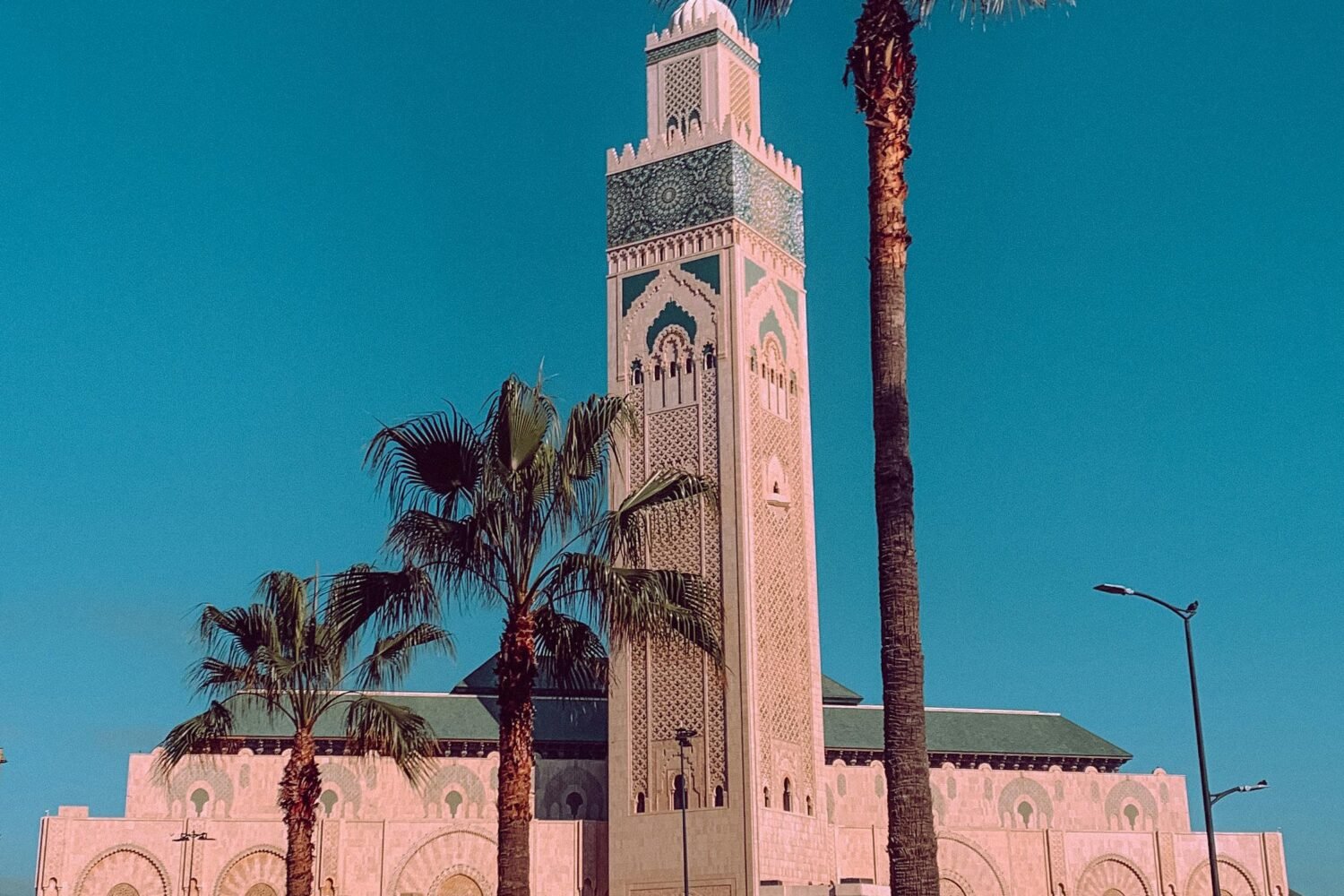
You could add Essaouira, Rabat, Casablanca, the northern coast, additional mountain regions or smaller towns and villages.
The goal should not simply be to visit more places. It should be to have enough time to actually experience them.
For a first visit, a 10-day route can provide an excellent introduction to Morocco.
Begin your Moroccan adventure in Marrakech, one of the country’s most vibrant cities.
Your first day can be deliberately relaxed after your international journey. Explore the surroundings of your accommodation, walk through part of the Medina and enjoy your first Moroccan meal.
On your second day, spend more time discovering the historic heart of Marrakech.
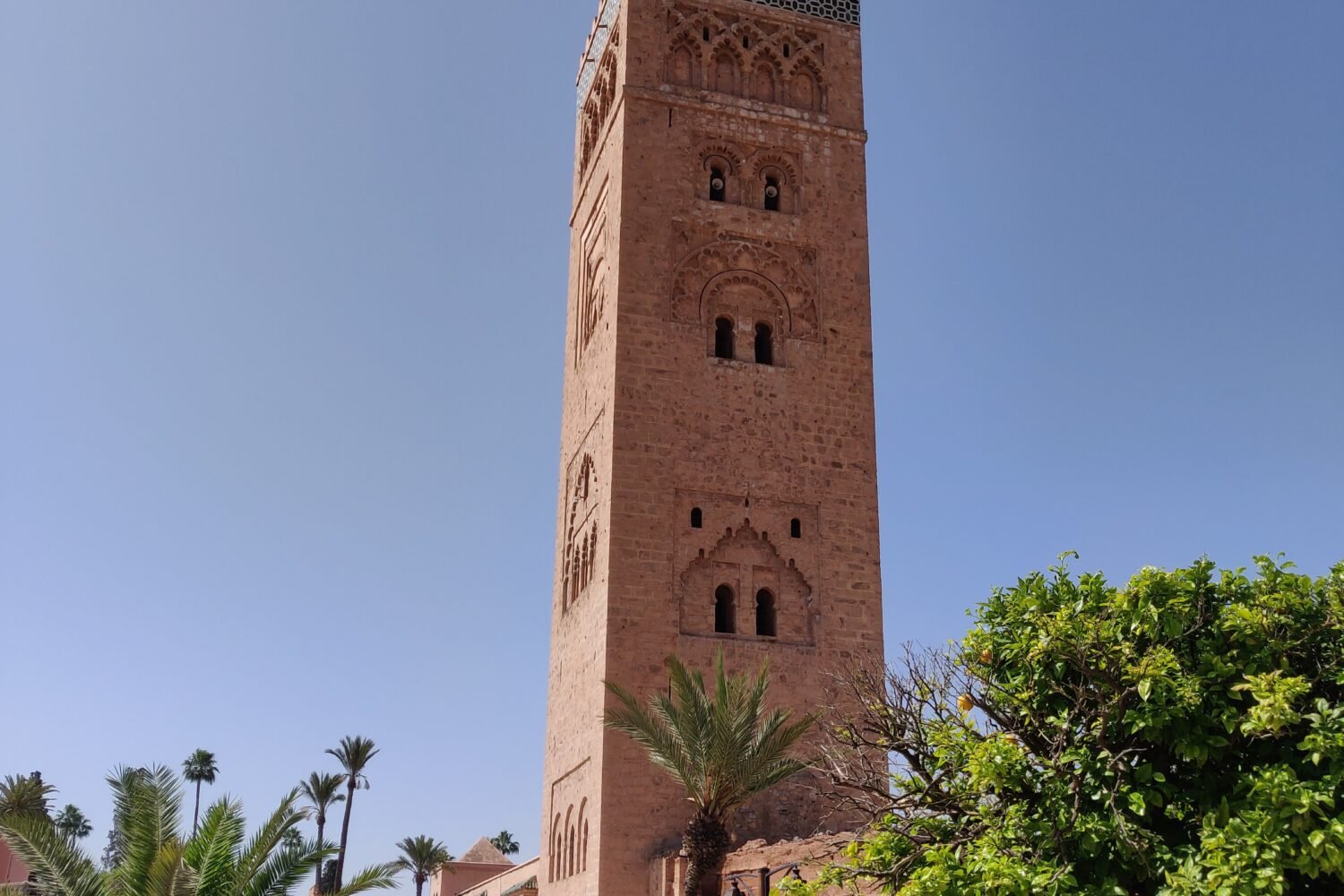
Visit the Koutoubia Mosque, explore the souks and discover historic landmarks such as the Bahia Palace and Saadian Tombs. A local guide can help you understand the stories behind the architecture instead of simply showing you where each monument is located.
Leave time for the souks.
Marrakech is not a destination that should be experienced entirely through a checklist. Wander through its streets, look at the work of local artisans and take time to enjoy the atmosphere.
On day three, you can choose between continuing your Marrakech exploration or taking a short excursion outside the city.
The Atlas Mountains, Ourika Valley or Agafay Desert can provide a completely different landscape without requiring a major change to your accommodation.
Leave Marrakech and begin your journey towards southern Morocco.
The road crosses the High Atlas Mountains, providing some of the most spectacular scenery of the journey.
Instead of treating this as a simple transfer, your private itinerary can include scenic stops, mountain villages and opportunities to meet local communities.
The landscape changes dramatically as you travel.
Green mountain valleys gradually give way to more arid scenery, and the architecture begins to change as you approach southern Morocco.
This is one of the reasons private transportation is so useful. You can stop to appreciate the landscape rather than simply watching it disappear through a bus window.
One of the highlights of southern Morocco is Aït Ben Haddou, an ancient fortified settlement built from earth and clay.
Walking through its narrow passages and climbing towards the upper part of the kasbah offers spectacular views over the surrounding landscape.
The site has also appeared in numerous films and television productions, but its real importance is its architecture, history and connection with the traditional caravan routes of southern Morocco.
Continue towards the Dades region and spend the night surrounded by the distinctive landscapes of southern Morocco.
This is where the journey begins to feel increasingly different from the Morocco you experienced in Marrakech.
Continue through the dramatic landscapes of the Dades Valley before reaching Todra Gorge.
The towering rock walls and narrow valley make this one of the most impressive natural areas in southern Morocco.
From here, continue towards Merzouga, the gateway to the Erg Chebbi dunes.
Arriving in the Sahara is a major moment in the journey.
The landscape changes once again as the mountains and valleys give way to sweeping sand dunes.
A camel trek into the dunes around sunset is one of the classic Moroccan experiences.
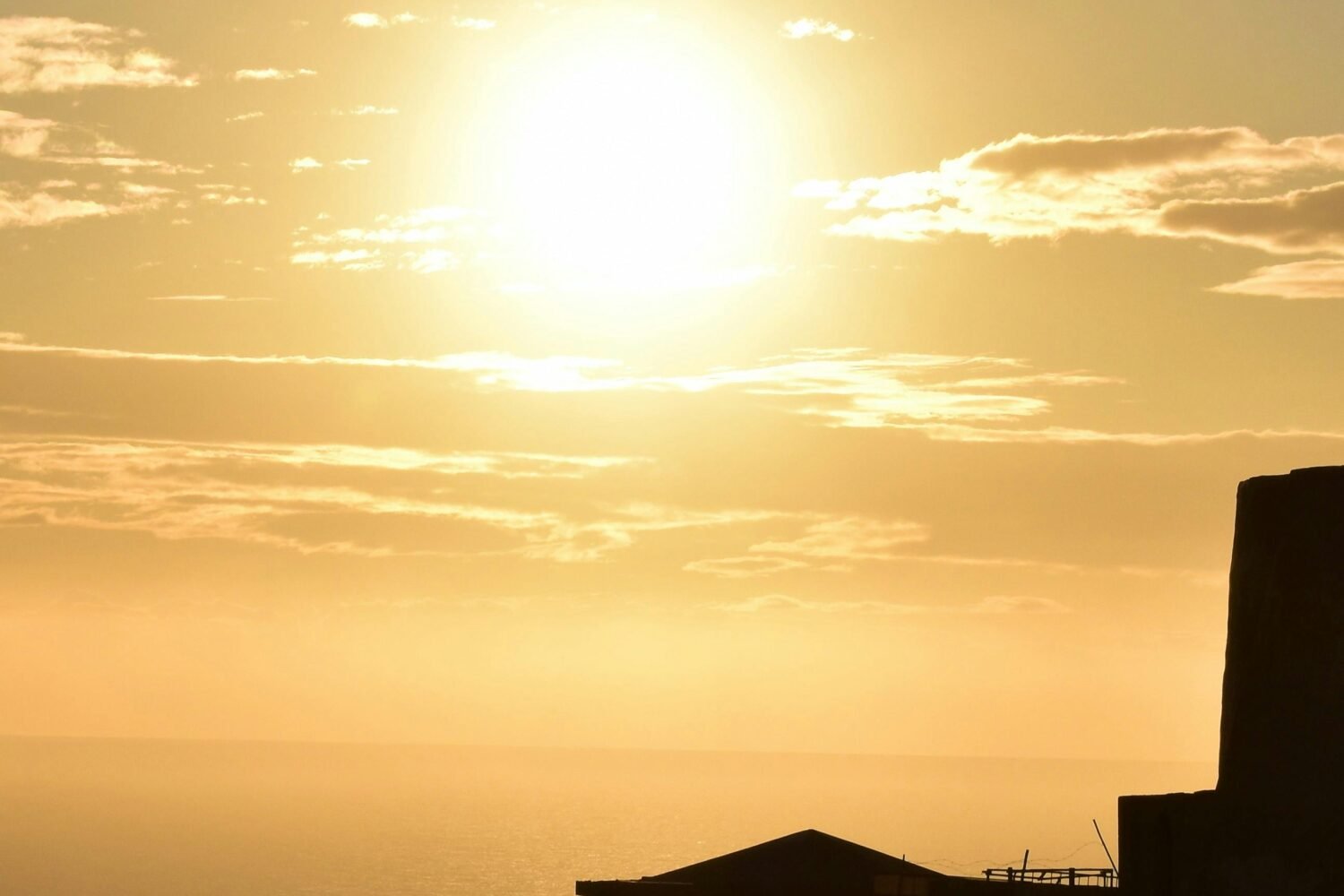
As the sun drops, the colour of the sand changes and the surrounding landscape becomes increasingly quiet.
After reaching your camp, enjoy a traditional dinner and spend the evening beneath the desert sky.
For Australian travellers, an overnight Sahara experience is highly recommended. Visiting the dunes during the day is one thing; waking up there is something completely different.
Wake early if you can.
Watching the sunrise over the dunes is one of the simplest and most beautiful moments of a desert journey.
After breakfast, you can continue exploring the region or visit local communities before beginning the next stage of your journey.
After the desert, continue towards Fes, one of Morocco’s most fascinating historic cities.
The contrast is remarkable.
You move from the open landscape of the Sahara into a dense urban environment filled with narrow streets, traditional workshops, historic buildings and centuries-old craftsmanship.
The Medina of Fes deserves time.
A local guide can help you navigate the streets while explaining the history and traditions behind what you are seeing.
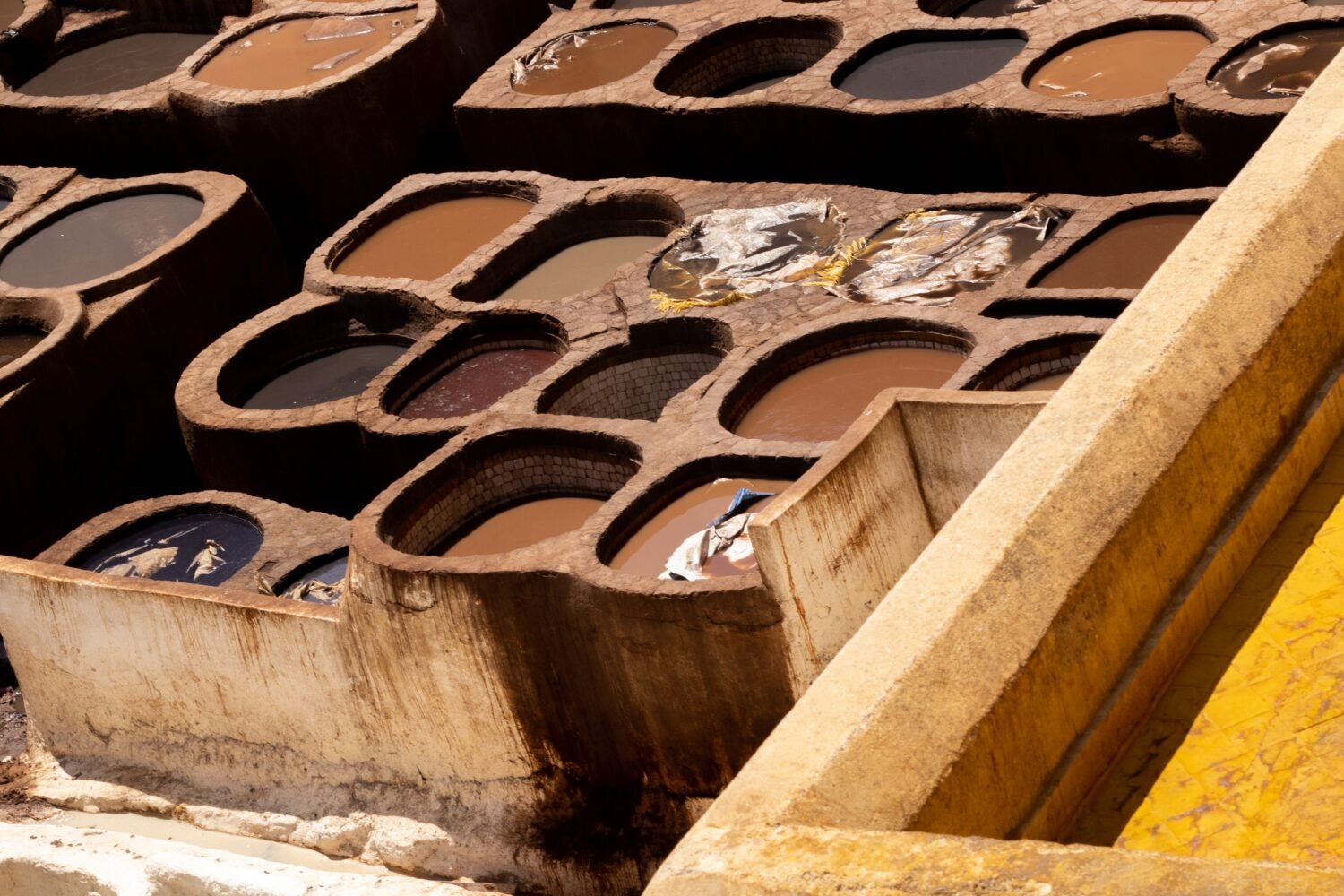
Explore traditional artisan quarters, historic madrasas, markets and architectural landmarks.
You can also discover Moroccan craftsmanship, from leather and metalwork to ceramics and textiles.
Fes is particularly rewarding for travellers who enjoy history and culture because the city provides a deeper look into Morocco’s traditional urban life.
Depending on your international flight arrangements, your final day can be used for additional sightseeing or transportation towards your departure city.
If you have more time, don’t rush home.
Adding a few extra days can transform your itinerary.
You could continue towards Chefchaouen, visit Rabat, explore Casablanca or travel west towards Essaouira and the Atlantic coast.
If you have two weeks available, you can create a considerably more relaxed journey.
A possible route is:
This route provides a much broader introduction to Morocco without requiring you to change hotels every night.
It can also be adjusted.
For example, travellers interested in beaches and relaxation can replace some northern sightseeing with Essaouira.
Families may prefer fewer destinations and more time at each stop.
Couples may want additional nights in Marrakech or the Sahara.
Adventure travellers can include more hiking in the Atlas Mountains.
That is the advantage of a tailor-made itinerary.
Best for culture, architecture, food, shopping and first-time visitors.
Marrakech introduces you to Morocco through its historic Medina, souks, palaces, gardens and lively public spaces.
Best for nature, hiking and authentic village experiences.
The mountains provide an opportunity to slow down and experience a different side of Moroccan life.
Best for history, architecture and photography.
This remarkable kasbah is one of southern Morocco’s most memorable cultural landmarks.
Best for dramatic landscapes and road-trip experiences.
The journey through this region is as important as the destinations themselves.
Best for adventure and unforgettable experiences.
Camel trekking, desert camping and sunrise over the dunes are highlights for many visitors.
Best for history, traditional crafts and cultural exploration.
The Medina offers a fascinating look into Morocco’s historic urban life.
Best for photography and a slower pace.
The famous blue streets create one of Morocco’s most distinctive cityscapes.
Best for relaxation, food and the Atlantic coast.
Its combination of ocean views, historic architecture and laid-back atmosphere makes it an excellent addition to a longer itinerary.
There is no universally correct answer.
The best option depends on how you prefer to travel.
A private tour gives you greater control over your itinerary.
You can decide how quickly you want to travel, where you want to stop and which experiences matter most.
This is particularly useful for couples, families and groups of friends.
Small groups can be a good choice for travellers who enjoy meeting other people while keeping the group relatively intimate.
They can also provide a balance between organised travel and social interaction.
A custom tour is ideal if you already have a clear idea of what you want to see.
You can combine destinations and experiences according to your interests rather than following a fixed programme.
Morocco is a country where road travel is often part of the adventure.
The journey from Marrakech to the Sahara, for example, takes you through changing landscapes, mountain passes, valleys and historic villages.
With private transportation, you can travel at a more comfortable pace and make stops along the way.
You also avoid the inconvenience of organising multiple connections between destinations.
For Australians who may have only 10 or 14 days in Morocco, efficient transportation can make a significant difference.
Accommodation can be part of the experience.
Traditional riads are built around interior courtyards and often feature Moroccan tilework, carved wood and traditional design.
They provide a more intimate alternative to large international hotels.
Modern hotels can be a good choice for travellers who prioritise familiar facilities, larger rooms and additional amenities.
An overnight desert camp is one of the most distinctive accommodation experiences in Morocco.
Depending on your preferences, you can choose a comfortable traditional camp or a luxury option with private facilities and additional services.
Morocco can be visited throughout the year, but the best season depends on the destinations you plan to visit.
Spring is popular for comfortable temperatures, mountain scenery and general sightseeing.
Summer can be very hot, particularly in inland and desert regions. Coastal destinations such as Essaouira can be more comfortable.
Autumn is another excellent period for exploring cities, mountains and the Sahara.
Winter brings cooler temperatures, particularly at night and in the mountains. The desert can still be visited, but warm clothing is useful for overnight stays.
Your packing list will depend on the season and itinerary.
Useful essentials include:
If you plan to spend time in the mountains or Sahara during cooler months, bring additional warm clothing for the evenings.
Comfortable footwear is particularly important because exploring Moroccan Medinas involves plenty of walking.
At Morocco Global Travel, we understand that Australian travellers are not all looking for the same holiday.
A couple might want a romantic journey with beautiful riads and a luxury desert camp.
A family might prefer shorter driving days and activities that keep children engaged.
A group of friends might want a mixture of adventure, culture and nightlife.
Others may simply want to see as much of Morocco as possible.
We can build the itinerary around your priorities.
Our tours can include:
Rather than forcing your holiday into a fixed template, we start with what you want to experience.
Whether it’s the Sahara, the imperial cities, or a fully custom mix of everything on this list, the right Morocco tour is the one built around how you actually want to travel.
For a first visit, a 10 to 14-day itinerary is a good starting point. A typical route can include Marrakech, the Atlas Mountains, Aït Ben Haddou, southern Morocco, the Sahara Desert, Fes and, with additional time, Chefchaouen or Essaouira.
Seven days can work for a shorter trip, but you will need to prioritise. A shorter itinerary could focus on Marrakech, the Atlas Mountains and the Sahara rather than attempting to cover the entire country.
Yes. Ten days can provide an excellent introduction to Morocco if the itinerary is planned efficiently. You can combine several major destinations while still allowing time to enjoy each location.
Not at all. Two weeks gives you the opportunity to travel more slowly and add destinations such as Chefchaouen, Essaouira or Rabat. It also means you can spend more time in places you enjoy rather than constantly moving.
Absolutely, especially if this is your first trip to Morocco. The Sahara is one of the country’s most distinctive experiences. We recommend staying overnight rather than visiting only for a short excursion.
Yes. Marrakech and the Sahara are commonly combined in longer Morocco itineraries. The journey between them also allows you to experience the Atlas Mountains, Aït Ben Haddou and the valleys of southern Morocco.
Yes. A family itinerary can include camel rides, desert camping, cooking activities, village visits, sightseeing and time at the coast. The route can also be adjusted to avoid unnecessarily long or tiring travel days.
Yes. Morocco Global Travel can build an itinerary around your preferred travel dates, destinations, group size, accommodation style, activities and budget.