Morocco Cultural Tours from United States typically range from 7 to 14 days, with many journeys designed to explore the country’s rich heritage at a comfortable and immersive pace. These tours can include Morocco’s imperial cities such as Marrakech and Fez, the enchanting blue streets of Chefchaouen, and unforgettable nights in Sahara Desert camps, while also going beyond the most famous sights to uncover the traditions and stories that make Morocco unique. Morocco rewards travelers who slow down; beyond the postcard images of blue streets and golden dunes lies a fascinating blend of Amazigh, Arab, and French influences reflected in the country’s architecture, cuisine, music, craftsmanship, and everyday life. Cultural tours are ideal for travelers who want to understand Morocco rather than simply photograph it, with more time to explore historic medinas, meet artisans and local families, discover traditional customs, and experience the country at a pace that allows its culture to truly come alive.
Discover the soul of Morocco through authentic culture, ancient traditions, vibrant medinas, and unforgettable local experiences.
A standard sightseeing tour checks off landmarks. A cultural tour is built around a different question: what does everyday life and history actually look like here?
Fez is often considered the cultural anchor of any deep Morocco itinerary. Home to the world’s oldest continuously operating university and one of the best-preserved medieval medinas anywhere, Fez rewards travelers willing to spend two full days rather than a rushed afternoon. A private guide here is less a convenience and more a necessity — the medina’s layout has confused travelers for centuries.
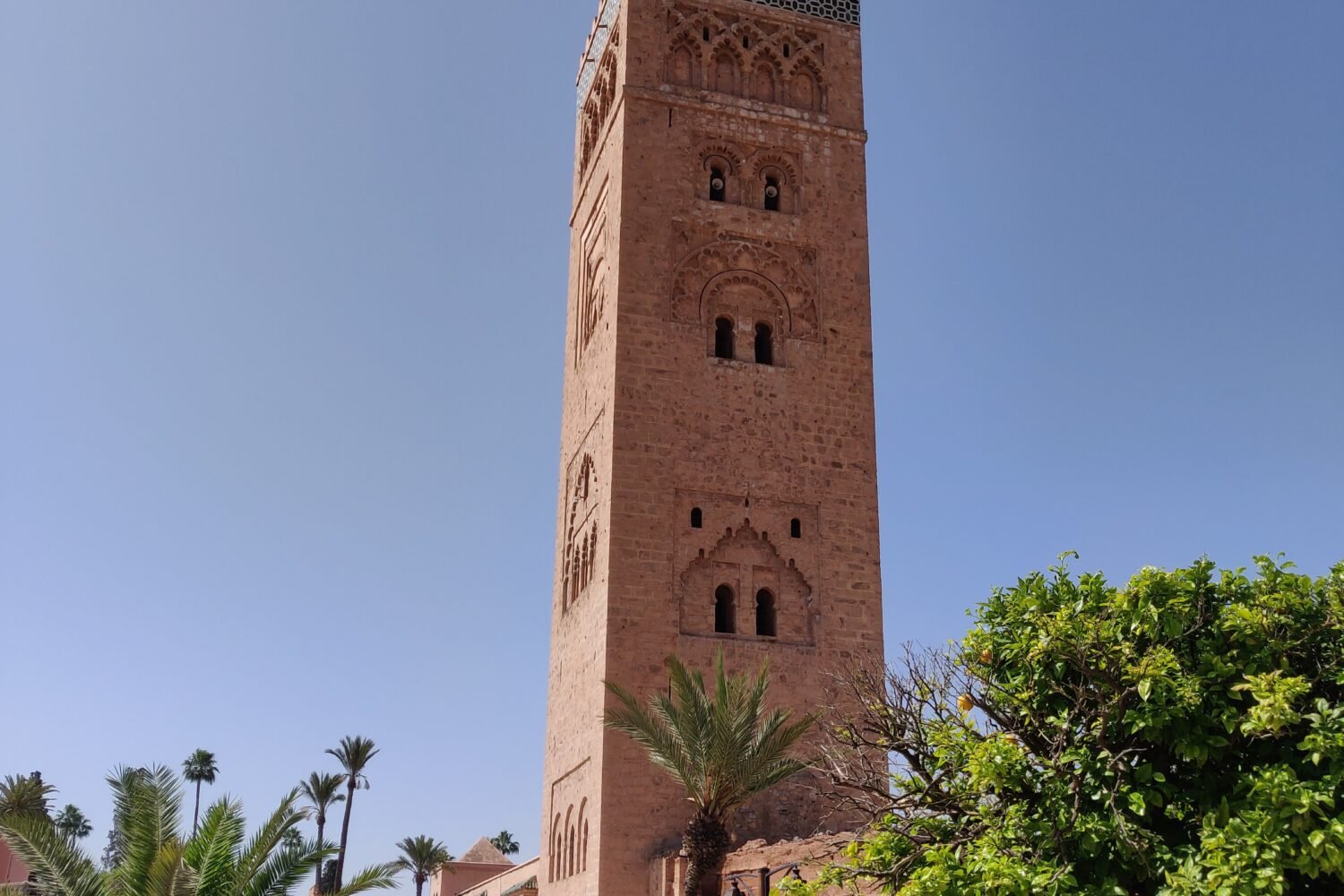
Marrakech blends history with living culture. The Bahia Palace and Ben Youssef Madrasa offer architectural depth, while the souks and Jemaa el-Fnaa square show Moroccan life still happening in real time, much as it has for generations.
Meknes, often overshadowed by its larger neighbors, offers a quieter, less touristed imperial city with grand gates and easy access to the Roman ruins of Volubilis nearby.
Morocco’s craft traditions run deep, and a cultural tour typically builds in direct access to them:
Amazigh (Berber) culture predates Arab influence in Morocco by centuries and remains central to daily life outside the major cities. Cultural tours often build in:
These experiences tend to stand out as the most memorable parts of a cultural itinerary, precisely because they’re not staged for tourists in the way some city-based experiences can feel.
Moroccan cuisine reflects the country’s layered history — Amazigh, Arab, Andalusian, and French influences all show up on the table. Cultural tours often include:
| Cultural Tour | Standard Tour | |
|---|---|---|
| Pace | Slower, fewer stops | Faster, more locations |
| Focus | Depth and context | Landmarks and photos |
| Local interaction | Built in throughout | Minimal, guide-led only |
| Best for | Travelers wanting understanding | Travelers wanting an overview |
Neither approach is wrong — it depends on whether the goal is to see as much of Morocco as possible or to genuinely understand a smaller slice of it.
Regardless of which tour type you choose, a few fundamentals separate a great operator from a mediocre one:
Beyond the landmarks, Morocco’s real story lives in its artisans, its rural communities, and its centuries of layered history. Our Morocco Cultural Tours from United States are built to go deeper than the standard sightseeing route.

A cultural tour prioritizes depth over ground covered — more time in fewer places, more hands-on and local experiences, and a slower overall pace.
It can be, especially for travelers who prefer understanding over checklist sightseeing. First-timers wanting a broader overview might prefer a standard imperial cities or highlights tour instead.
Reputable operators build genuine, long-standing relationships with families who welcome visitors as an authentic part of their income and hospitality, rather than arranging a performance.
8-10 days allows enough time to properly experience a handful of regions without feeling rushed, which is the whole point of a culturally focused itinerary.
No. U.S. passport holders can stay visa-free for up to 90 days, with a passport valid for at least six months from arrival.