Planning Morocco Trips from the United States can feel exciting at first — until you start trying to put everything together. It typically involves flying 12 to 18 hours—often via Royal Air Maroc or major European and Middle Eastern hubs—into Casablanca or Marrakech. Standard tour packages range from 7 to 10 days, cost between $1,100 and $1,900 per person, and cover imperial cities, mountain ranges, and the Sahara Desert.
How many days do you need? Should you start in Marrakech or Casablanca? Is the Sahara worth the long drive? Should you visit Fes or Chefchaouen? How much should you budget? And most importantly, how do you create an itinerary that lets you experience Morocco without spending half your vacation sitting in a vehicle?
The good news is that you don’t need to see every corner of Morocco to have an incredible trip.
The best Morocco vacations are usually built around a few experiences that genuinely matter to you, with enough time to enjoy each one. Whether you’re dreaming about walking through Marrakech’s ancient medina, watching the sunset over Sahara dunes, exploring the Atlas Mountains, or relaxing on the Atlantic coast, your itinerary should be designed around how you want to experience Morocco.
That’s where proper planning makes all the difference.
“From the United States to Morocco — We Make Every Journey Simple, Seamless, and Unforgettable.”
The amount of time you have in Morocco should be the starting point for your entire itinerary. Trying to squeeze a two-week experience into five days usually leaves travelers exhausted rather than impressed.
And if you’re lucky enough to have three weeks or more, you can slow everything down. You can spend additional nights in the destinations you love, explore northern Morocco, add coastal towns, discover smaller communities, and create a much deeper connection with the country.
The important thing is not simply how many places you can fit into your vacation. It’s how much you can actually enjoy while you’re there.
Before choosing destinations, think about what you really want from Morocco.
If history and architecture are your priorities, Marrakech and Fes deserve more time. These cities offer centuries of history, extraordinary craftsmanship, traditional architecture, ancient medinas, palaces, mosques, and lively markets.
If the Sahara Desert is the experience you’ve been dreaming about, don’t treat it as a quick stop between cities. Give yourself enough time to enjoy the journey, ride a camel across the dunes at sunset, spend the night at a desert camp, and wake up to the Sahara at sunrise.
For travelers looking for adventure, the Atlas Mountains can add an entirely different side of Morocco to the trip. Hiking, mountain villages, 4×4 routes, camel trekking, and desert activities can turn a sightseeing vacation into a real adventure.
Couples and honeymooners often prefer a slower itinerary focused on romance and relaxation. Beautiful riads, private experiences, desert camps, spa treatments, sunset dinners, and time along the Atlantic coast can create a much more intimate journey.
And if you’re passionate about photography, Morocco gives you endless opportunities. Marrakech’s colorful streets, the blue alleys of Chefchaouen, dramatic mountain landscapes, historic kasbahs, and golden Sahara dunes can all become highlights of your trip.
You don’t have to choose just one travel style. The best itineraries usually combine two or three interests and give each one enough space to feel meaningful.
Marrakech — essential.
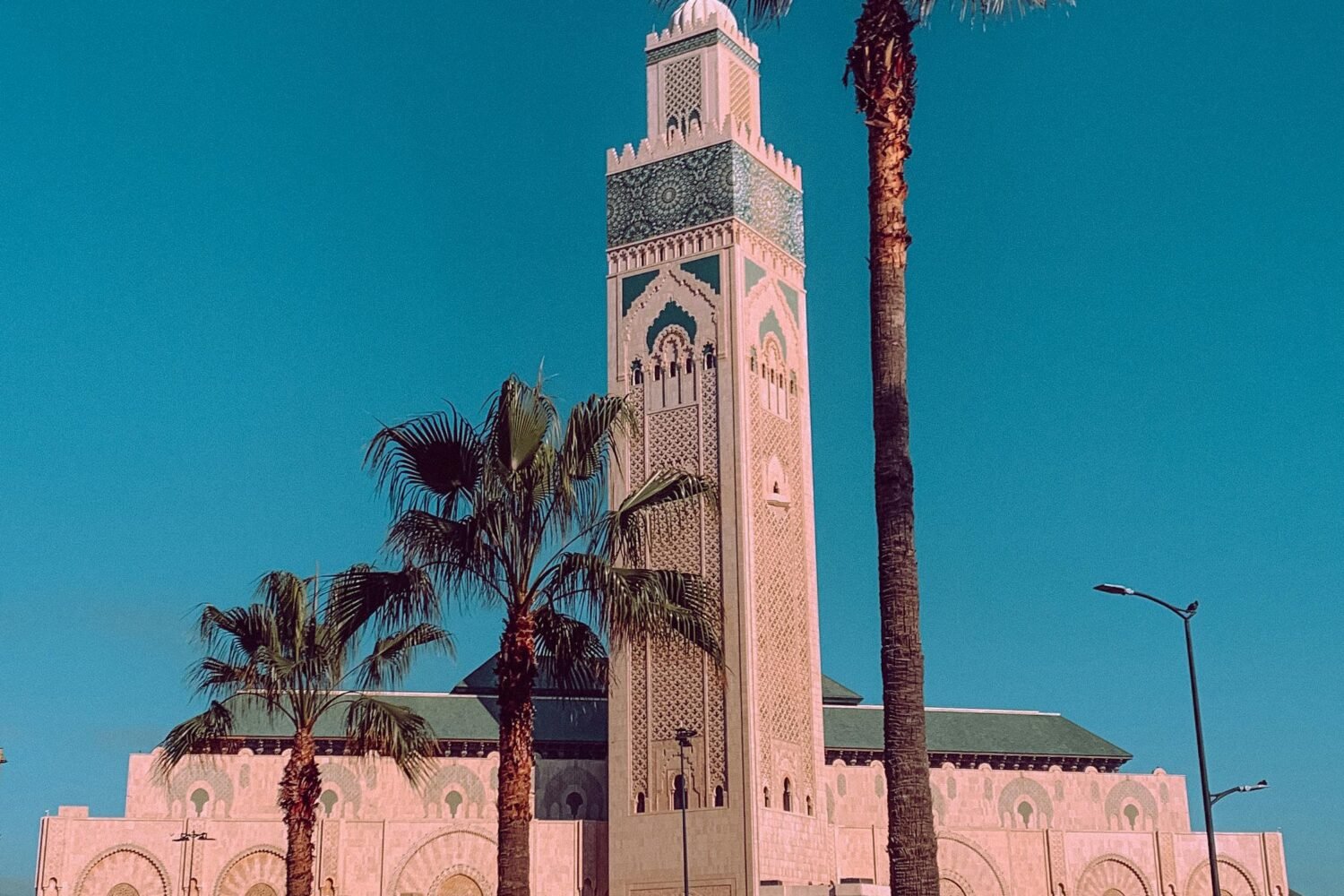
For many travelers, Marrakech is the natural introduction to Morocco. Its medina, souks, palaces, gardens, restaurants, and famous Jemaa el-Fnaa square give you an immediate sense of the country’s energy and culture. Two or three nights is a good starting point for most first-time visitors.
The Sahara Desert — essential if it’s on your wish list.
A Sahara experience is one of those trips where the journey is part of the adventure. Traveling through the High Atlas Mountains and southern Morocco before arriving among the dunes makes the experience even more rewarding. A camel ride at sunset, dinner at your camp, a night beneath the stars, and sunrise over the desert are moments you’ll remember long after returning to the United States.
Fes — highly recommended.
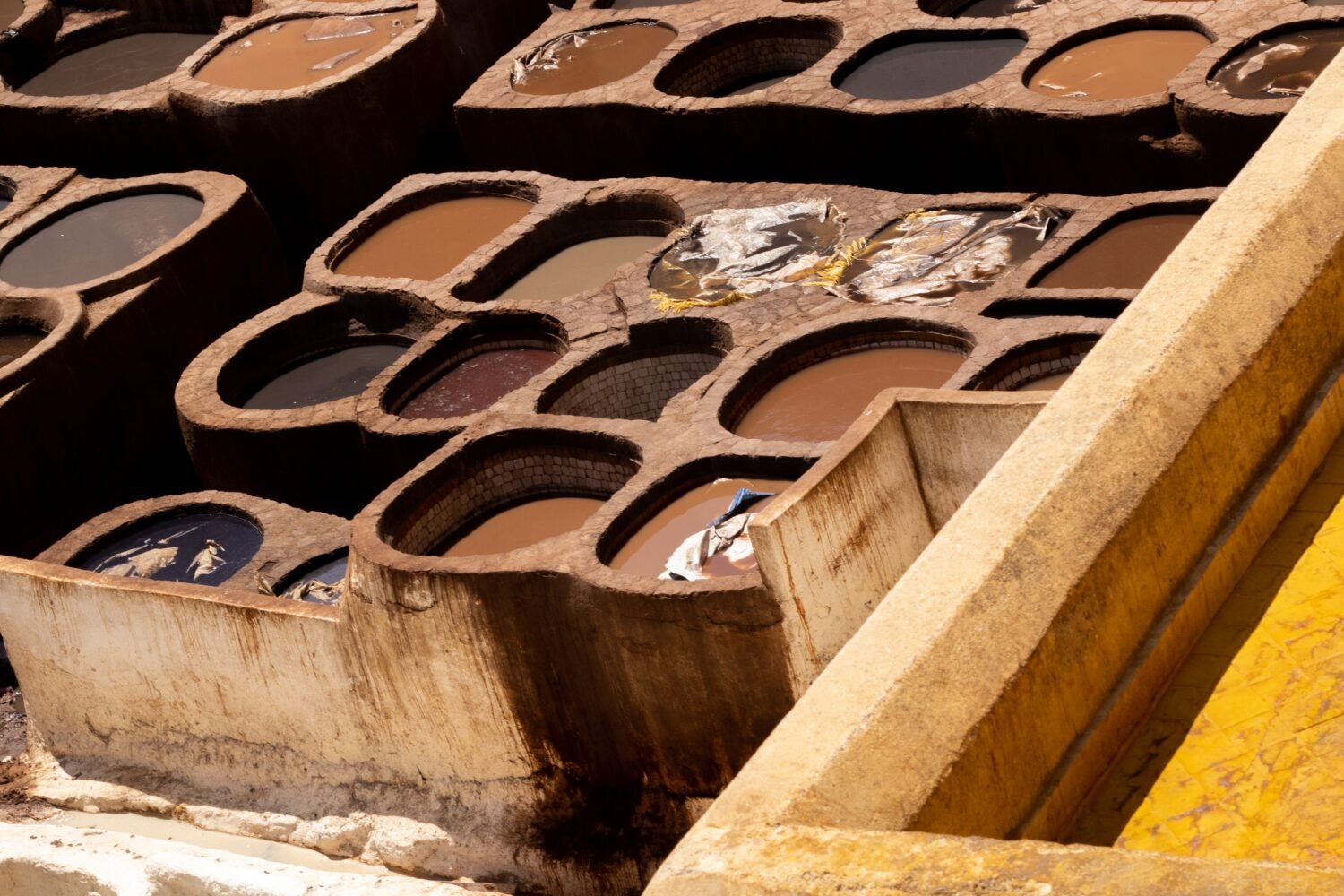
If Moroccan history and culture interest you, Fes is difficult to leave out. Its ancient medina, traditional craftsmanship, historic architecture, and narrow streets offer an experience that feels completely different from Marrakech.
Atlas Mountains — worth adding if you have the time.
The mountains are an easy addition for travelers staying in Marrakech, whether you want a relaxed day trip or a more active trekking experience. You’ll discover mountain villages, dramatic scenery, and a quieter side of Morocco.
Chefchaouen — a beautiful bonus.
The famous blue city is absolutely worth visiting when your route allows it. Its location in northern Morocco means it doesn’t fit naturally into every itinerary, so it makes more sense for travelers with additional time or those already planning to explore the north.
Essaouira — the wildcard.
If your itinerary has been full of cities, mountains, and desert landscapes, Essaouira can provide the perfect change of pace. The Atlantic breeze, relaxed atmosphere, seafood, beach, and charming medina make it a particularly attractive addition for couples and travelers who want to slow down before heading home.
The goal isn’t to visit every destination simply because it’s famous. The goal is to choose the destinations that make your particular Morocco trip worth taking.
Your Morocco trip budget will depend on your accommodation level, transportation, group size, activities, and how customized you want the experience to be.
As a general guide, a budget Morocco trip can cost around $800-$1,500 per person for land arrangements, while a comfortable mid-range experience generally falls around $1,500-$3,000 per person. Travelers looking for private transportation, luxury accommodation, premium desert camps, and highly personalized experiences can expect approximately $3,000-$6,000+ per person.
International flights from the United States are additional and can vary considerably depending on your departure city, travel season, airline, and how far in advance you book. A rough range of $700-$1,400 round trip is common, but prices can be higher or lower depending on your dates.
One of Morocco’s biggest advantages is the value it offers. Compared with many destinations in Western Europe, your travel budget can go considerably further here. You can stay in beautiful traditional riads, enjoy exceptional food, travel through dramatic landscapes, and experience the Sahara without necessarily paying luxury European prices.
And you don’t have to make your entire trip luxury to make it special. Many travelers choose comfortable mid-range accommodation and then spend more on the experiences that matter most — perhaps a private vehicle, a better desert camp, or a special dinner.
For many travelers, spring and fall are the most attractive seasons for Morocco.
From March through May, temperatures are generally comfortable for exploring the cities, mountains, and desert. September through November offers another excellent window, with pleasant conditions and a particularly attractive atmosphere for sightseeing and outdoor experiences.
Summer can still be a great time to visit, especially if you include coastal destinations such as Essaouira. However, June through August can become very hot in inland cities and the Sahara, so your itinerary should take the temperatures into account.
Winter is often overlooked. From December through February, Morocco generally sees fewer visitors, and daytime conditions can be pleasant in many regions. The Sahara and mountain areas become cold at night, but travelers who prepare for the temperature can enjoy a quieter and more peaceful experience.
If your travel dates are flexible, Morocco Global Travel can help you choose the period that best matches the experiences you want to include.
The way you travel can completely change the experience.
A private Morocco trip gives you the greatest freedom. You have your own vehicle and driver, and the itinerary can be adjusted around your group. If you want to spend longer exploring a medina, stop for photographs, take a slower morning, or add an unexpected experience along the way, private travel gives you that flexibility. It’s particularly popular with couples, families, honeymooners, and groups of friends.
Group trips are a good choice for travelers who enjoy meeting other people and want to keep the overall cost more manageable. The itinerary is more structured, but you gain the social side of traveling with others.
Then there are custom trips, which are built around you from the beginning. Instead of taking an existing itinerary and making small changes, you can start with what you actually want — perhaps Marrakech, the Sahara, Fes, a cooking class, and a few relaxing days in Essaouira — and have the route designed around those priorities.
If you’re unsure which option makes sense, that’s something we can help you decide before you book.
A well-balanced 10-day Morocco trip could begin with three days in Marrakech, giving you enough time to settle in, explore the medina and souks, visit important historic sites, enjoy Moroccan cuisine, and perhaps take part in a cooking experience.
On days four and five, you could leave Marrakech behind and travel through the High Atlas Mountains toward the Sahara. The journey itself becomes part of the experience as you pass mountain landscapes, historic kasbahs, and southern Moroccan scenery. In the evening, arrive at your desert camp, enjoy a camel ride around sunset, and spend the night beneath the stars.
Days six and seven could take you toward Fes, where the focus changes from desert landscapes to history, architecture, and traditional craftsmanship. Exploring the ancient medina with a knowledgeable local guide can make the experience far more meaningful.
For days eight and nine, you could choose between Chefchaouen and Essaouira depending on your interests. Chefchaouen adds mountains, photography, and northern Moroccan culture, while Essaouira gives you an opportunity to slow down beside the Atlantic.
Then, on day ten, it’s time for your departure.
This isn’t the only way to spend 10 days in Morocco — and that’s exactly the point. A good itinerary should be adapted to your priorities rather than copied from someone else’s vacation.
Ask yourself:
Once you know the answers, matching a tour type from the list above becomes much easier — and most of these categories can also be combined into one custom itinerary if you don’t want to choose just one.
Regardless of which tour type you choose, a few fundamentals separate a great operator from a mediocre one:
Planning a Morocco vacation from the United States can involve dozens of decisions. You need to understand the distances between destinations, choose the right accommodation, work out transportation, decide which experiences deserve your time, and make sure everything works together as one route.
Morocco Global Travel takes that planning work off your shoulders.
We don’t believe in simply sending every traveler the same standard itinerary. We start by understanding your dates, your budget, who you’re traveling with, and what you actually want to experience. From there, we create a route that makes sense geographically and gives you enough time to enjoy each destination.
Because we’re based in Morocco, we’re able to combine local knowledge with the practical details that matter when you’re actually traveling here. We know the routes, the destinations, the accommodations, and the experiences — and we’re available locally throughout your journey.
Whether you’re looking for a private Sahara adventure, a romantic honeymoon, a family vacation, a small-group experience, or a completely customized Morocco itinerary, we can help turn your ideas into a trip you can confidently book.
Whether it’s the Sahara, the imperial cities, or a fully custom mix of everything on this list, the right Morocco tour is the one built around how you actually want to travel.
For most first-time travelers, 7-10 days is an excellent starting point. It gives you enough time to experience Marrakech, the Sahara, and another major destination without turning your vacation into a constant rush between hotels.
Morocco can offer excellent value compared with many Western European destinations. Your final budget depends on accommodation, transportation, activities, group size, and how customized your trip is.
Trying to see too much. A thoughtfully designed itinerary with fewer destinations will almost always feel better than one that tries to cover the entire country in a week.
No. English is commonly spoken in tourist areas, and traveling with a professional local guide makes communication, navigation, and cultural understanding much easier.
U.S. passport holders generally do not need a visa for tourist stays of up to 90 days. Entry requirements can change, so it’s important to verify the latest requirements before your departure.
Yes. We can build a private itinerary around your travel dates, budget, interests, accommodation preferences, and desired pace. Whether you have five days or three weeks, we can help you decide what experiences deserve a place in your Morocco trip.


