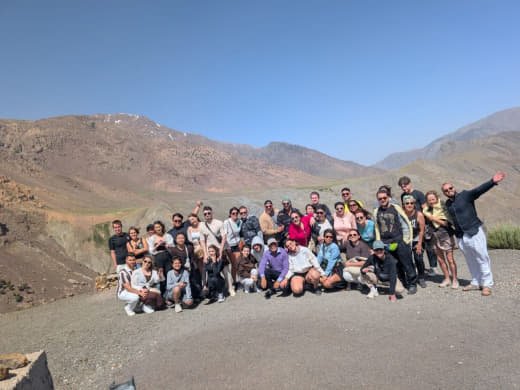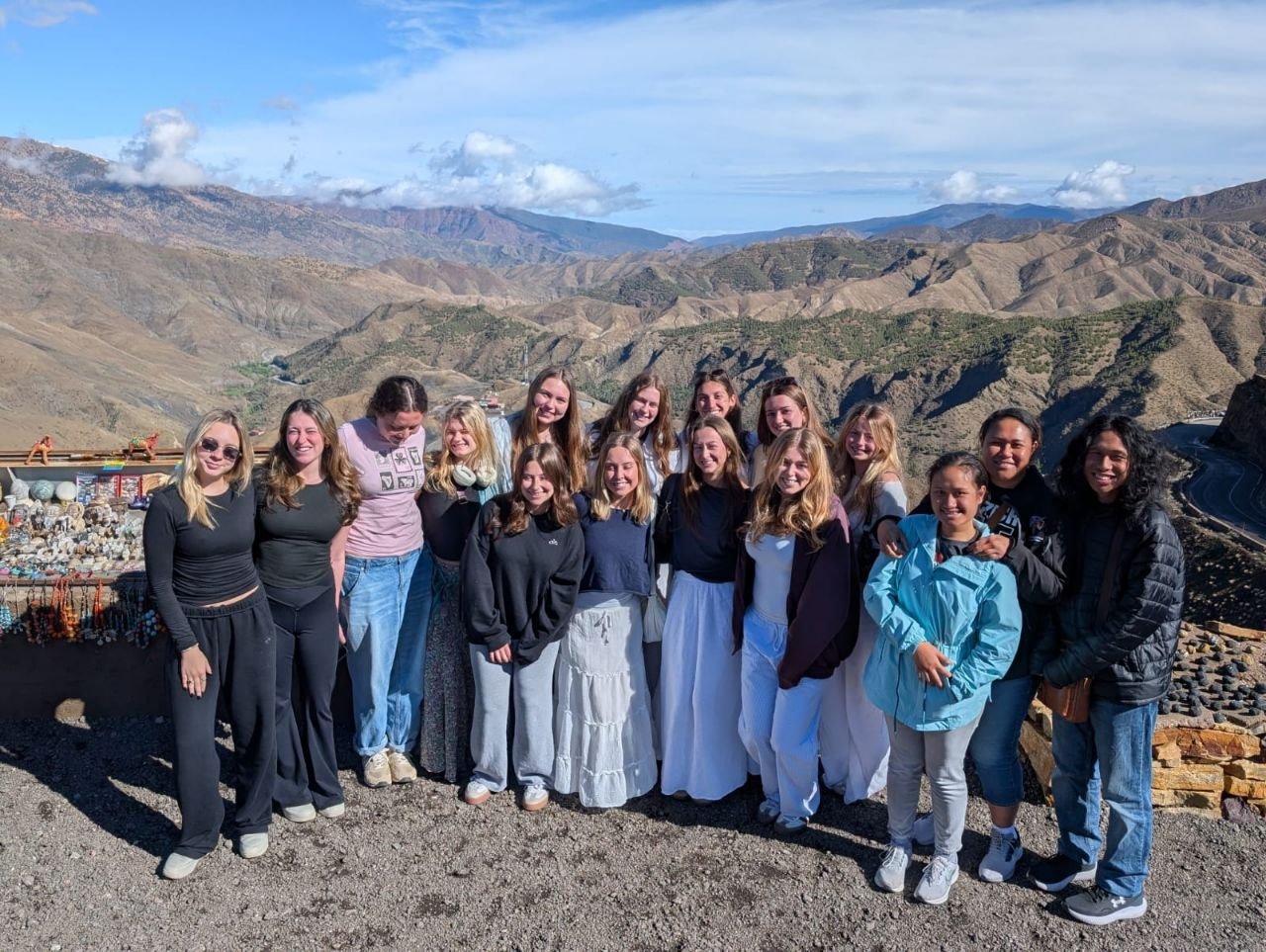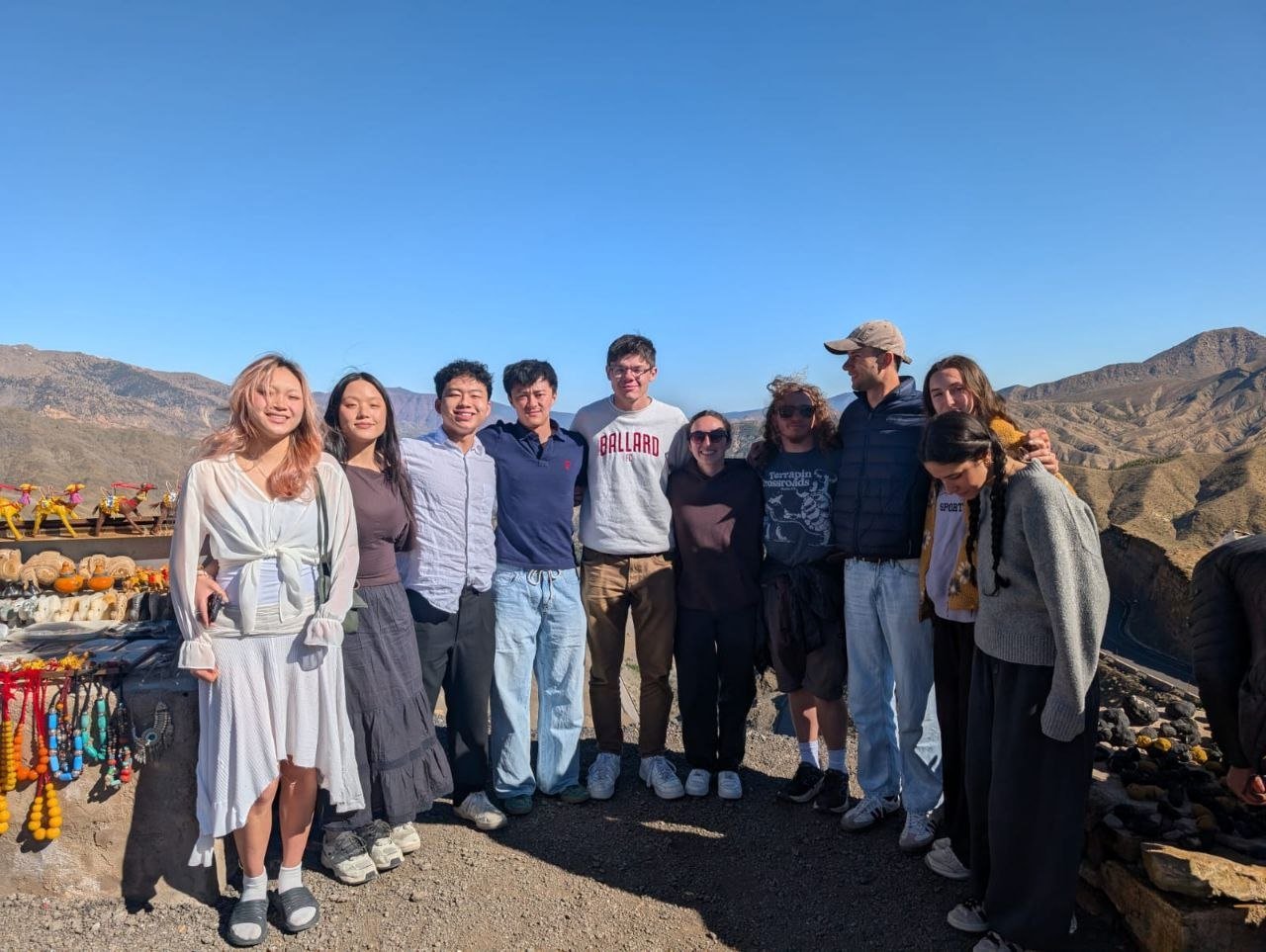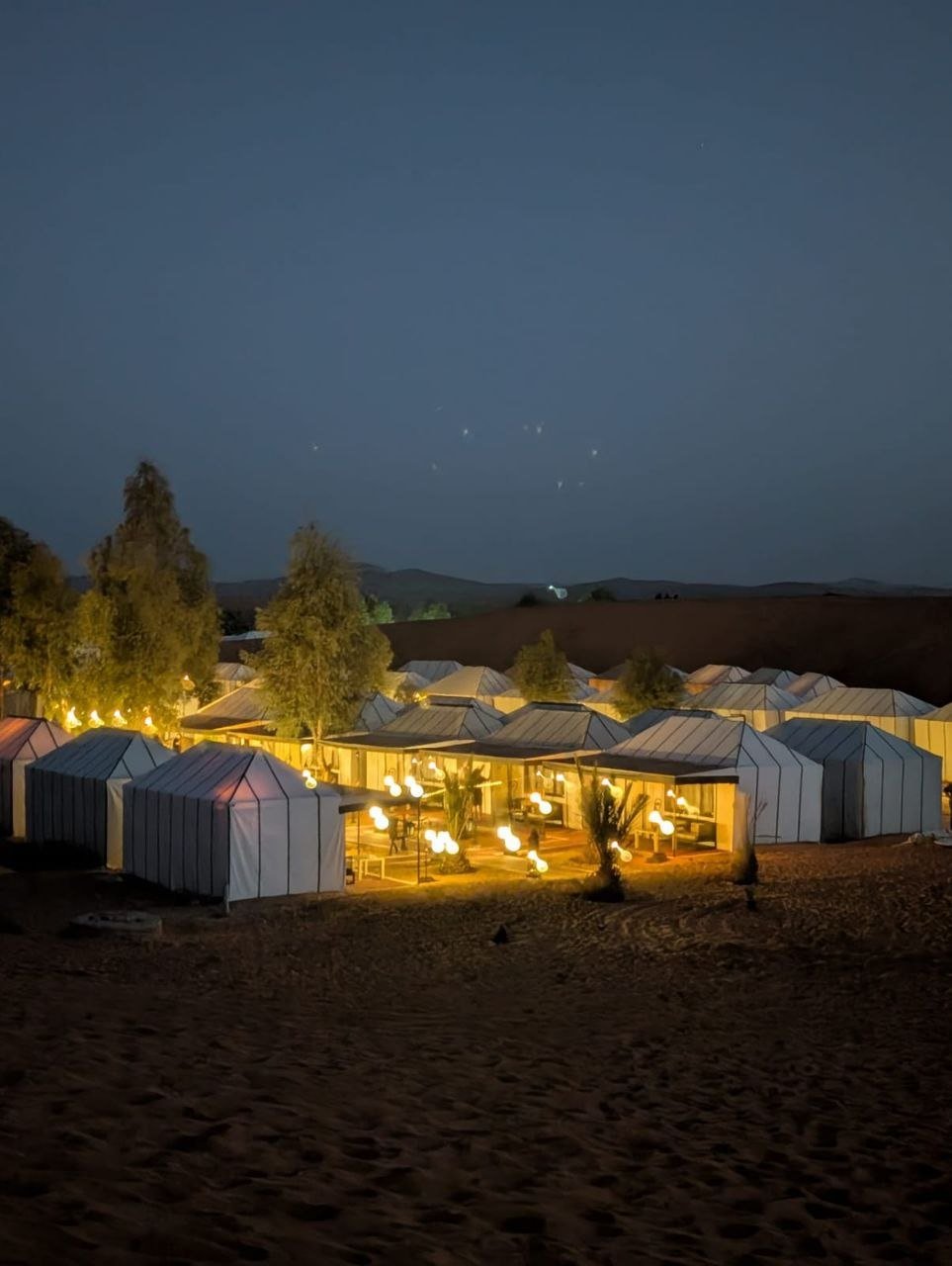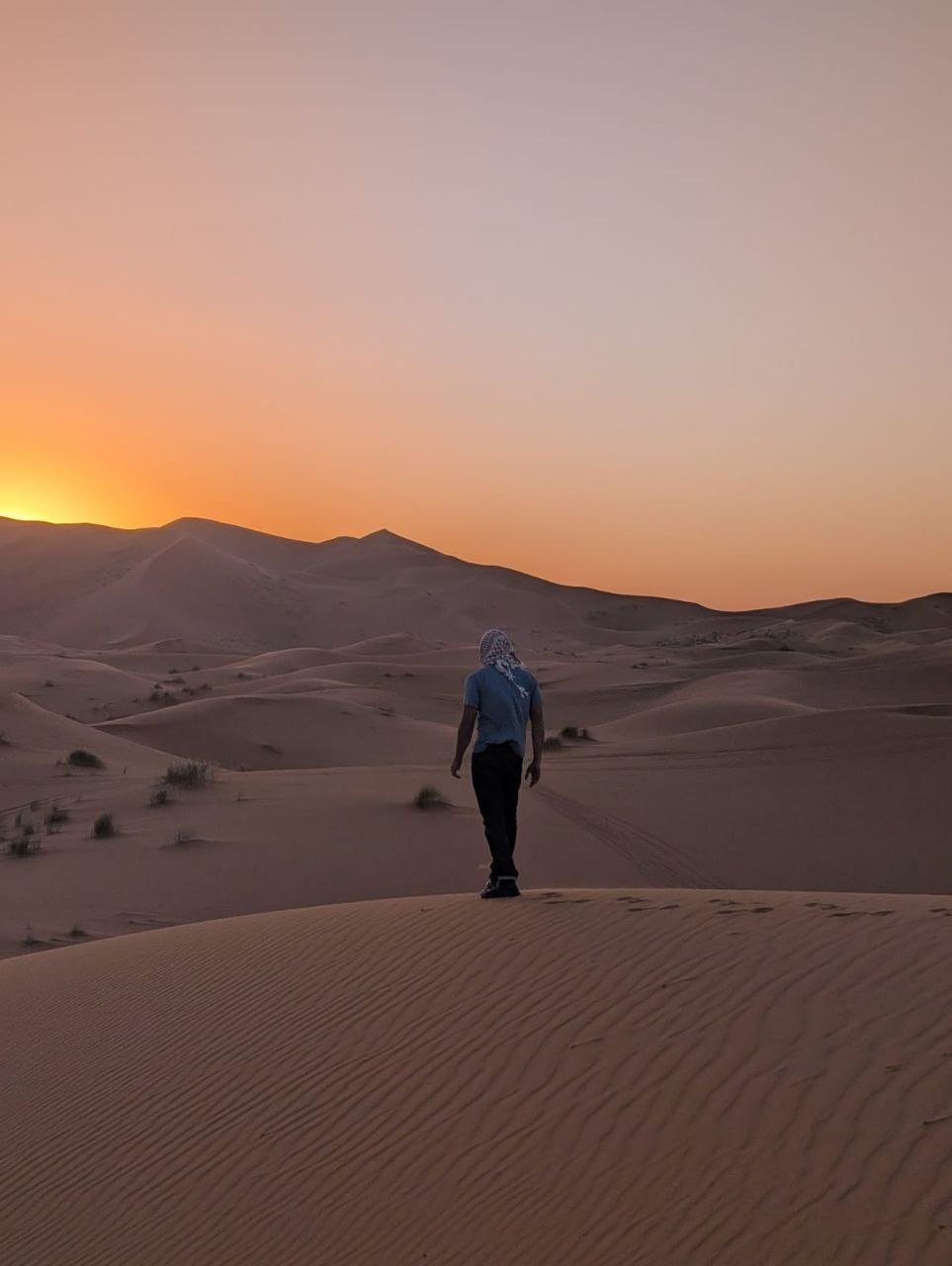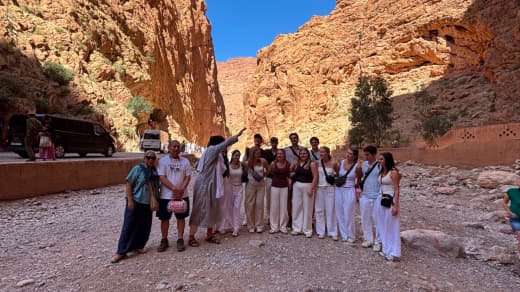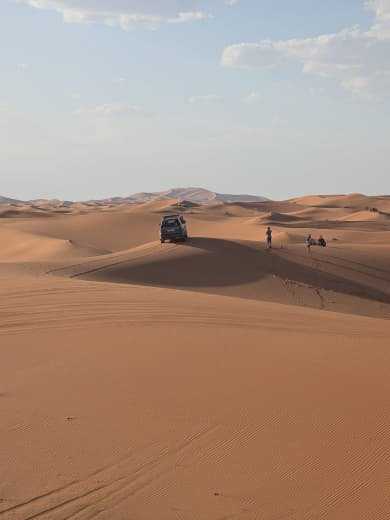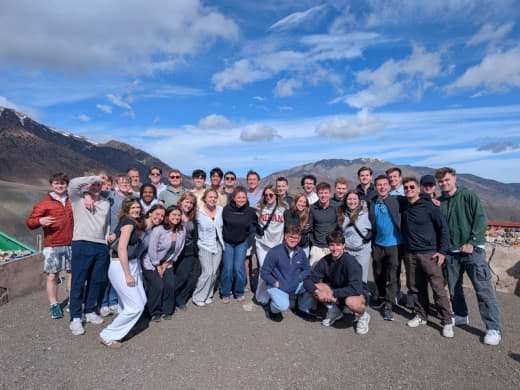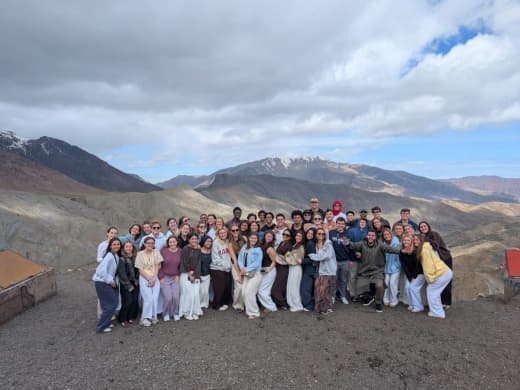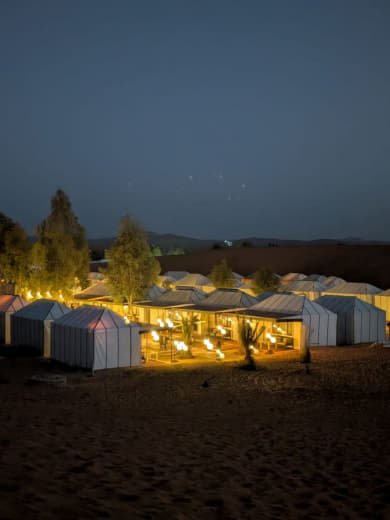
Here is Student Guide to Moroccan Sahara Desert If you’re spending a semester somewhere in Europe right now, you’re sitting on an opportunity most students never think to use: the Sahara Desert is a short flight away, not a someday-trip. This student guide to the Moroccan Sahara Desert covers exactly what you need to know to make it happen — three days is genuinely all it takes to fly into Morocco, watch the sun set and rise over the dunes, sleep under one of the most incredible night skies on Earth, and be back in your dorm before your next class.
Two days feels rushed — you’d barely land before you’re heading straight to the dunes. A full week is a lot to carve out of a busy semester. This student guide to the Moroccan Sahara Desert exists because three days hits exactly the right balance: enough time to properly experience the drive, the trek, the camp, and the sunrise, without needing to sacrifice an entire week of your European semester to do it.
No shade to Barcelona or Prague, but there’s a version of your semester abroad where you come home with a story none of your friends can match — a night spent sleeping in the actual Sahara Desert. It’s the kind of thing that turns “yeah, I studied abroad” into “let me tell you about this one weekend.”
Whether it’s the Sahara, the imperial cities, or a fully custom mix of everything on this list, the right Morocco tour is the one built around how you actually want to travel.
Price Includes

Price Excludes

Yes — it’s the ideal window: enough time for the full journey, an overnight camp, and both a sunset and sunrise, without needing to sacrifice a full week of your semester.
Most routes from major European cities run 2.5-4 hours, making this one of the most accessible international trips available during a European semester.
Requirements vary by nationality, so it’s worth checking your specific passport’s visa requirements before booking.
Definitely — small-group departures make it easy to meet other travelers, and plenty of students do this trip entirely on their own.
Layers are essential — warm days, cold desert nights — along with comfortable shoes and a camera ready for some serious photo opportunities.