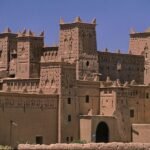
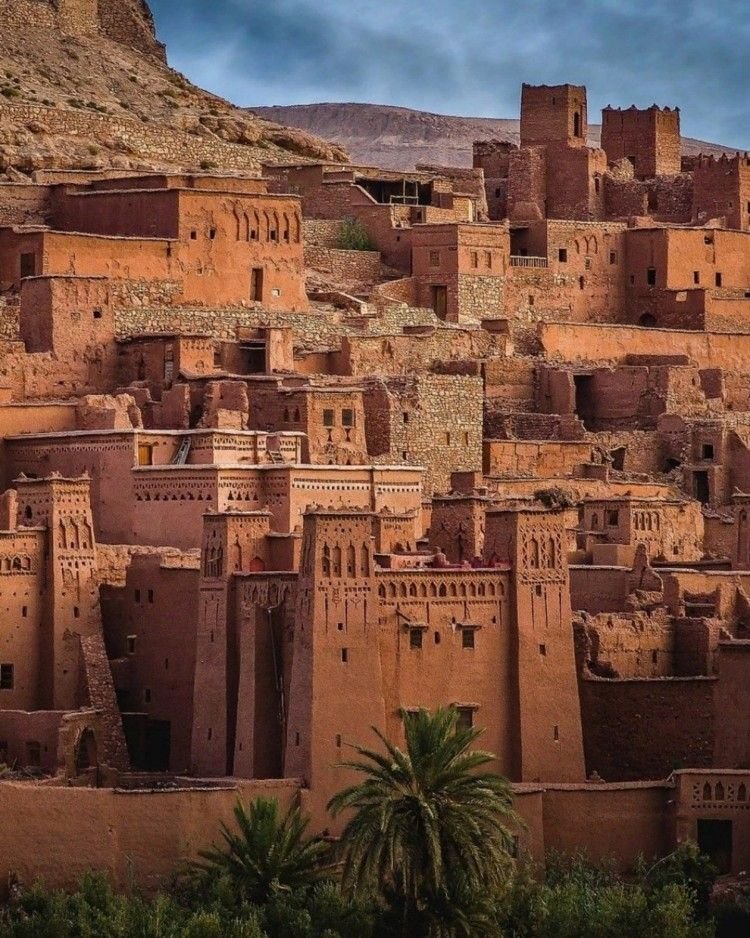
The word “Kasbah” instantly evokes images of towering earthen walls, desert horizons, and centuries of history carved into clay. Derived from the Arabic term qasaba, meaning fortress or citadel, a kasbah refers to a fortified stronghold that once served as the political, military, and social heart of a region.
Across Morocco, kasbahs rise dramatically from mountain slopes, desert plains, and palm-filled valleys. They are not merely buildings; they are symbols of protection, power, and community. For centuries, these fortified complexes guarded trade routes, sheltered influential families, and stood as architectural expressions of resilience. Today, they remain among Morocco’s most fascinating historical landmarks, blending heritage, artistry, and storytelling into monumental earthen structures.
What is a Kasbah?
A kasbah is traditionally a fortified residence or citadel designed to defend its inhabitants from invasion and conflict. Often positioned on elevated ground or near vital water sources, kasbahs were strategically placed to control territory and trade.
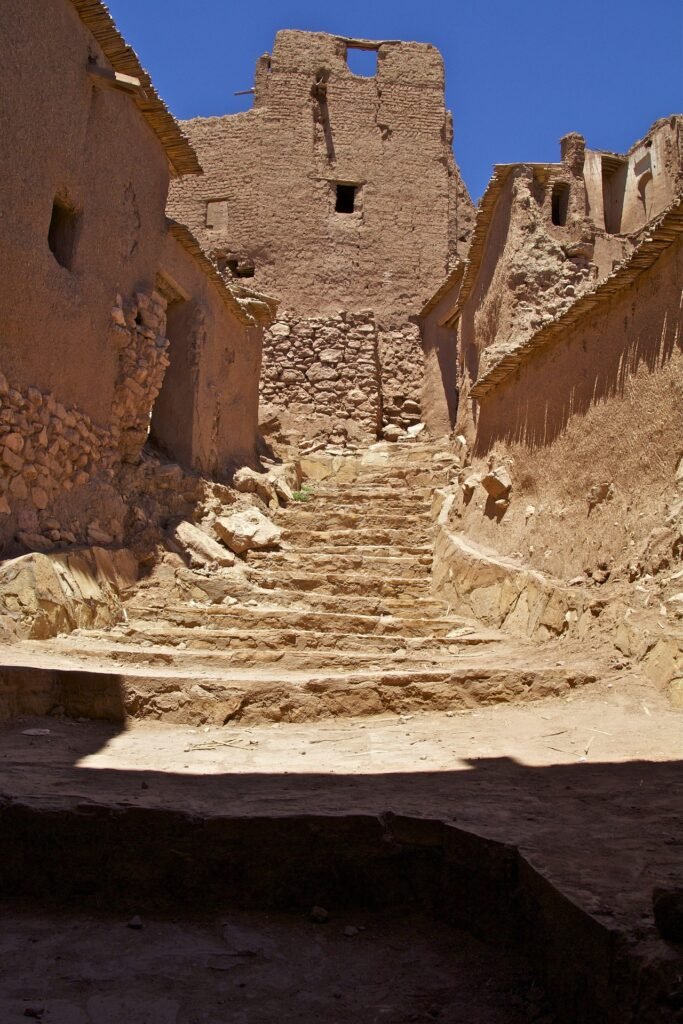
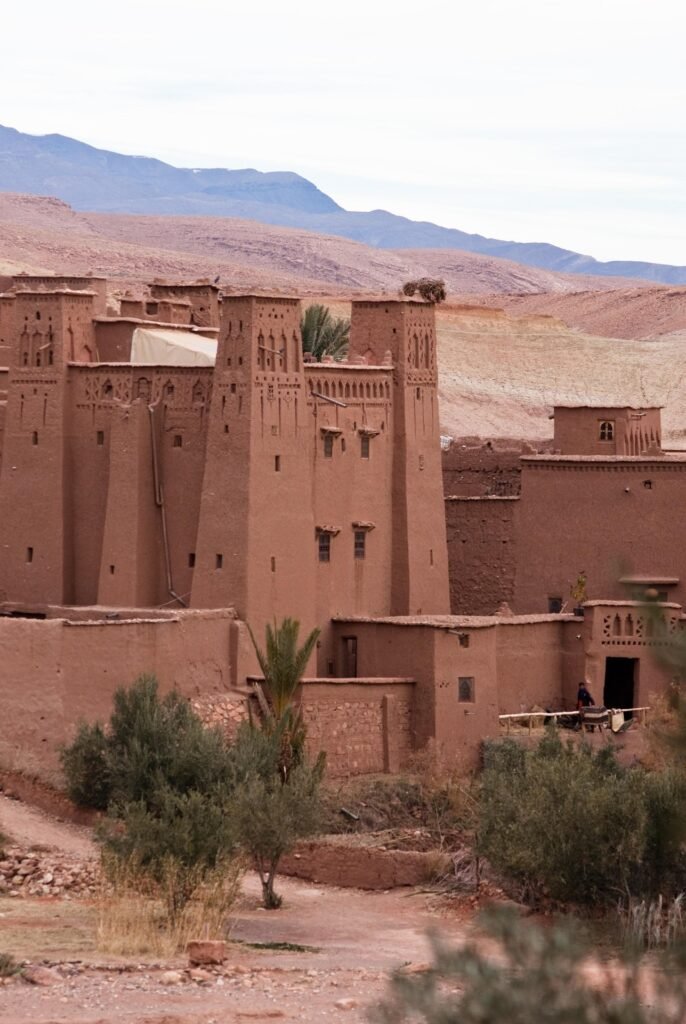
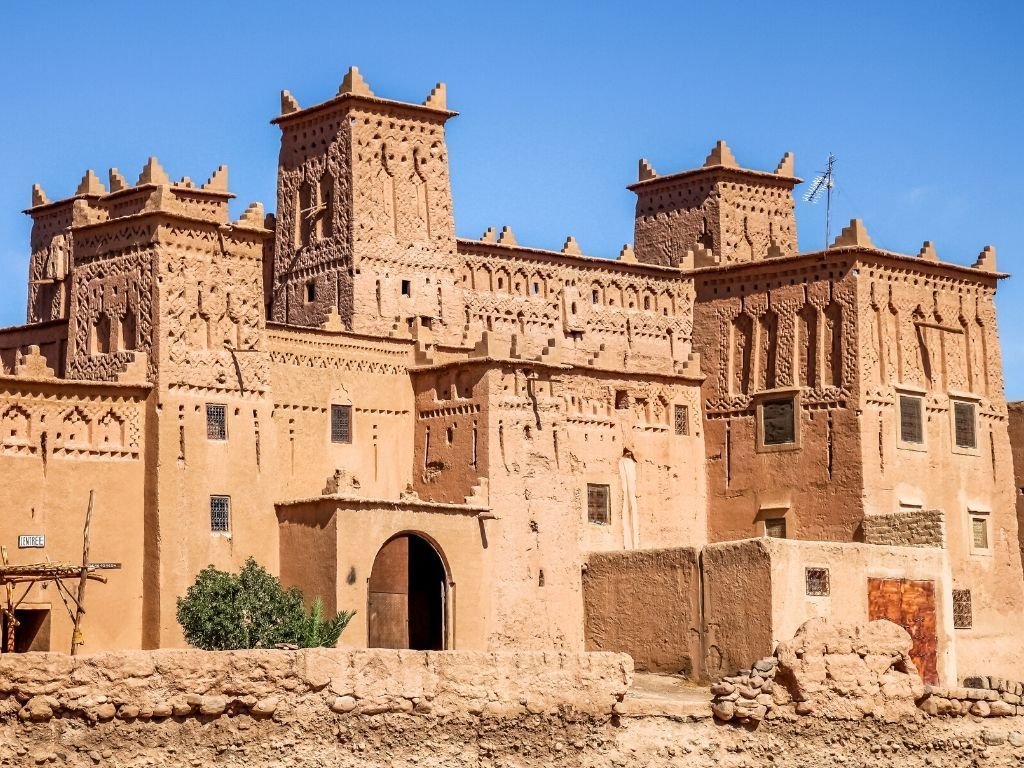
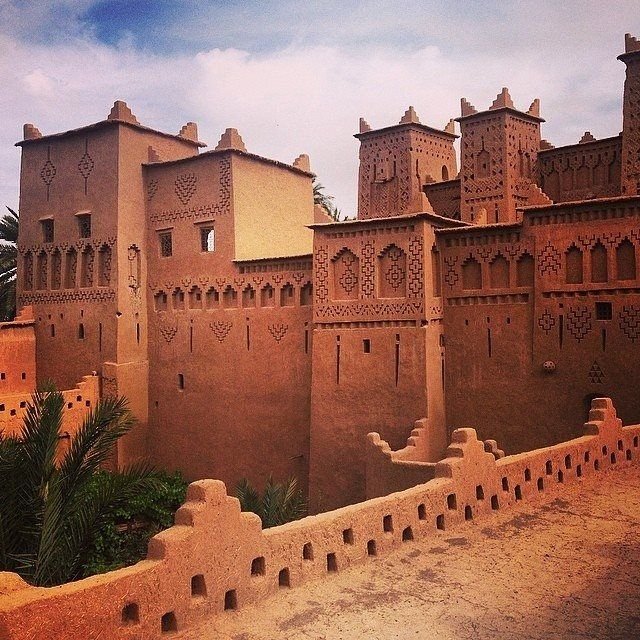
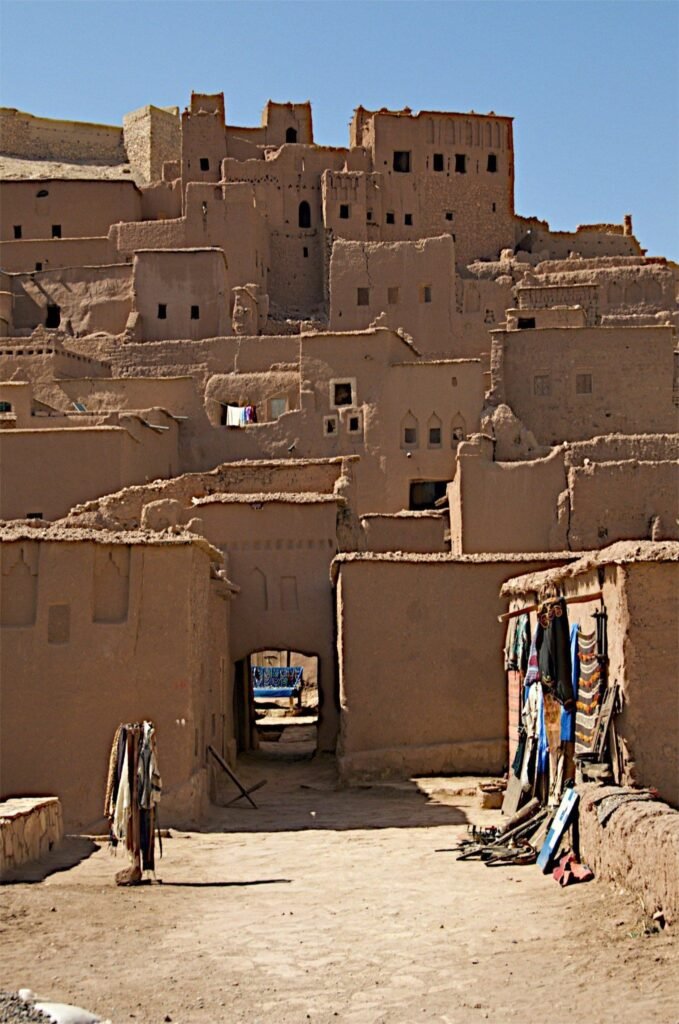
Architecturally, they are defined by thick earthen walls, defensive towers at the corners, narrow passageways, and monumental gates. Inside, the structure typically includes courtyards, storage rooms, stables, living quarters, and sometimes ornate reception halls.
Kasbahs were usually built by powerful tribal leaders, wealthy merchants, or ruling families. Beyond defense, they functioned as administrative centers, governing surrounding lands and villages. Their imposing silhouettes symbolized authority while their inner courtyards nurtured daily life.
Historical Significance
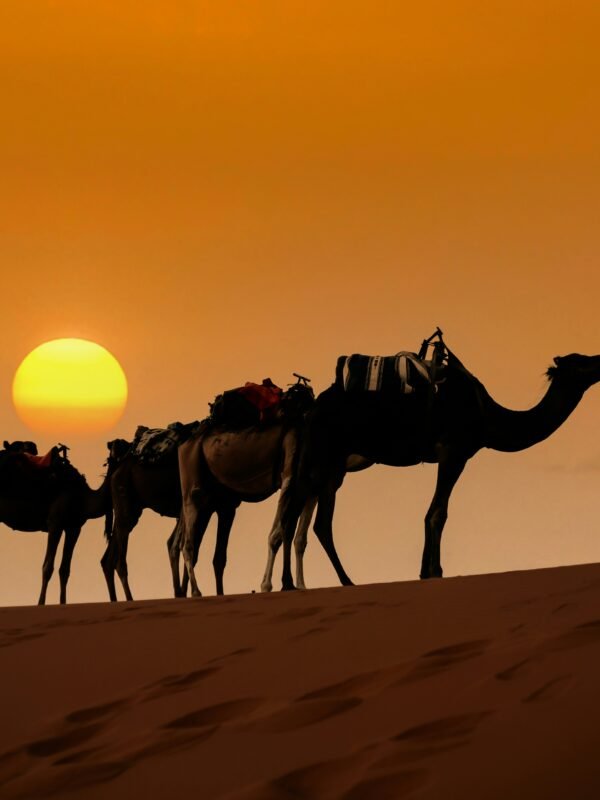
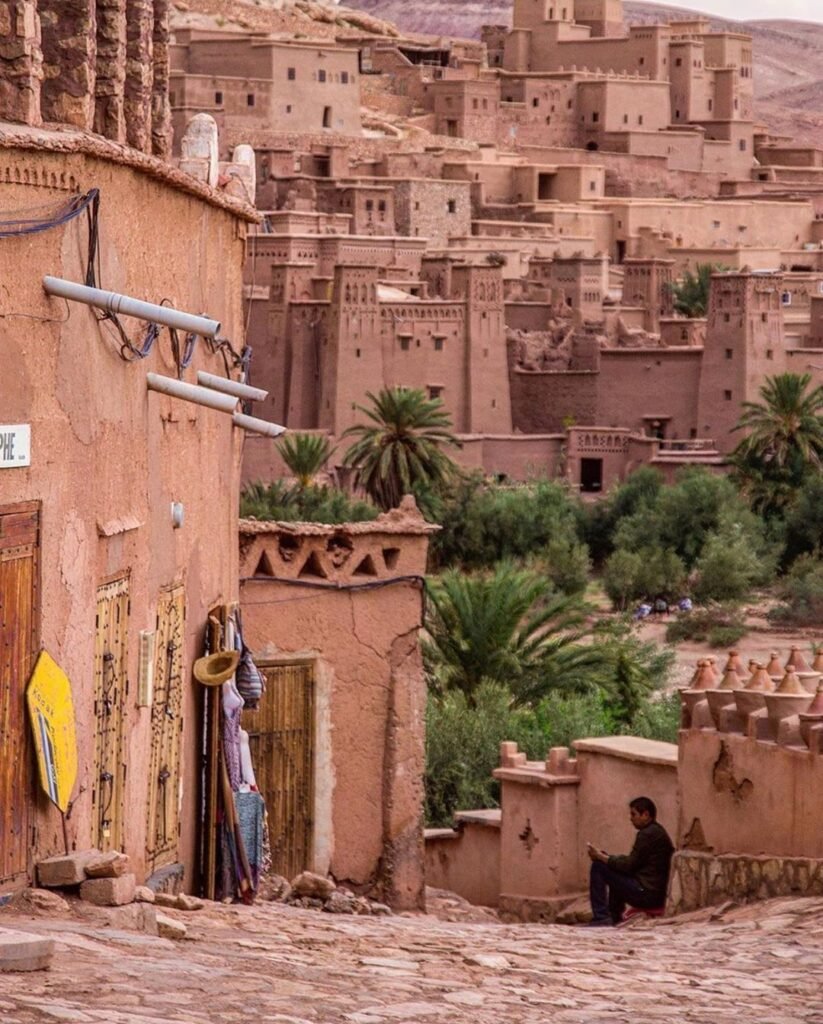
Kasbahs played a central role in Morocco’s political and economic history. Positioned along caravan routes linking sub-Saharan Africa to imperial cities like Marrakech and Fes, they protected valuable goods such as gold, salt, and spices.
These fortresses witnessed the rise and fall of dynasties, tribal alliances, and colonial transitions. They served as military strongholds during times of conflict and as centers of governance during periods of stability. The walls of each kasbah tell stories of trade, diplomacy, cultural exchange, and survival in Morocco’s diverse landscapes.
Geographic Distribution in Morocco
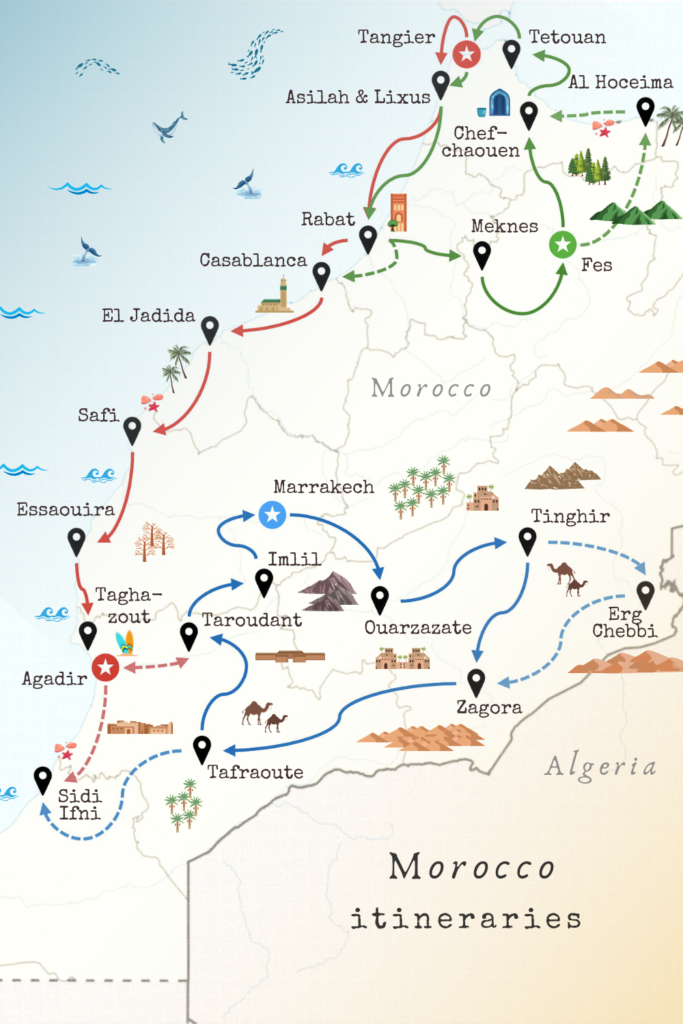
Kasbahs are most prominent in southern Morocco, particularly in the High Atlas Mountains and along the edges of the Sahara Desert. Their placement was rarely accidental. Many overlook fertile valleys, oasis settlements, or strategic trade routes.
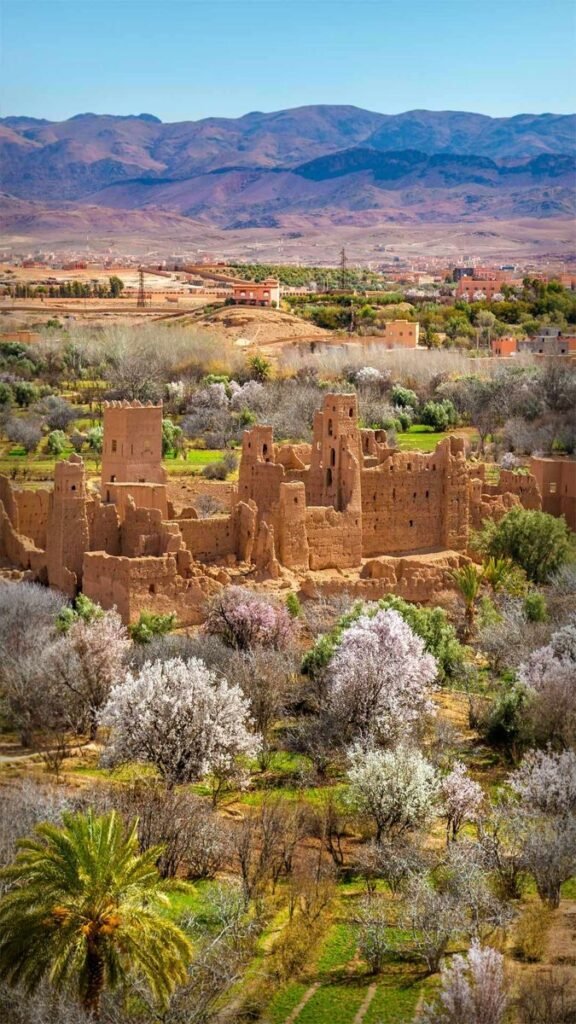
In regions near Ouarzazate, kasbahs dominate the landscape, often blending seamlessly with the red earth from which they were built. Oasis areas such as the Draa Valley and Skoura became dense with fortified structures, forming defensive networks that safeguarded agricultural communities and caravan commerce.
Origins and Evolution
Early History of Moroccan Kasbahs
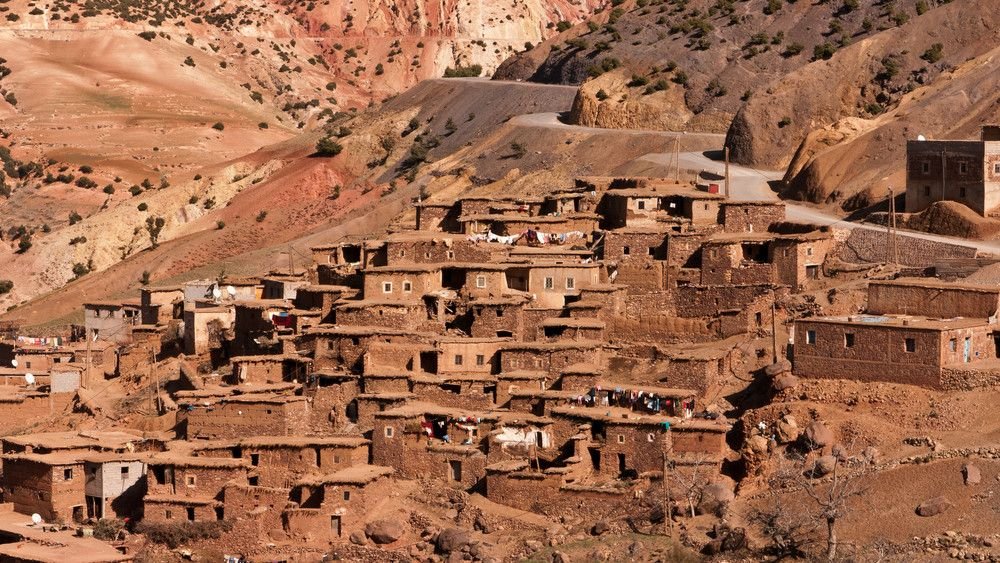
The earliest kasbahs in Morocco can be traced back to Berber communities as early as the 7th century. Indigenous Amazigh tribes constructed fortified dwellings using locally available materials to defend against raids and rival groups.
During the medieval period, successive dynasties expanded and reinforced these structures, adding architectural sophistication and decorative refinement. Each era contributed its own influences, transforming simple fortifications into elaborate fortified palaces.
Architectural Influences
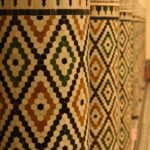
Moroccan kasbahs reflect a blend of Berber, Arab, and Andalusian influences. Berber traditions are visible in the use of rammed earth construction and robust defensive towers. Arab and Islamic influences appear in decorative motifs, geometric patterns, and interior courtyards. Andalusian inspiration is evident in garden layouts and ornamental details.
This fusion created a uniquely Moroccan architectural identity that balanced strength with beauty.
Evolution Over Time
Over centuries, kasbahs adapted to shifting political and environmental realities. Some expanded to house growing families and retainers. Others were modified with enhanced fortifications.
During the French colonial period, many kasbahs lost their administrative roles and fell into decline. However, recent decades have seen renewed restoration efforts, recognizing their cultural and tourism value.
Architectural Features
Common Elements of a Kasbah
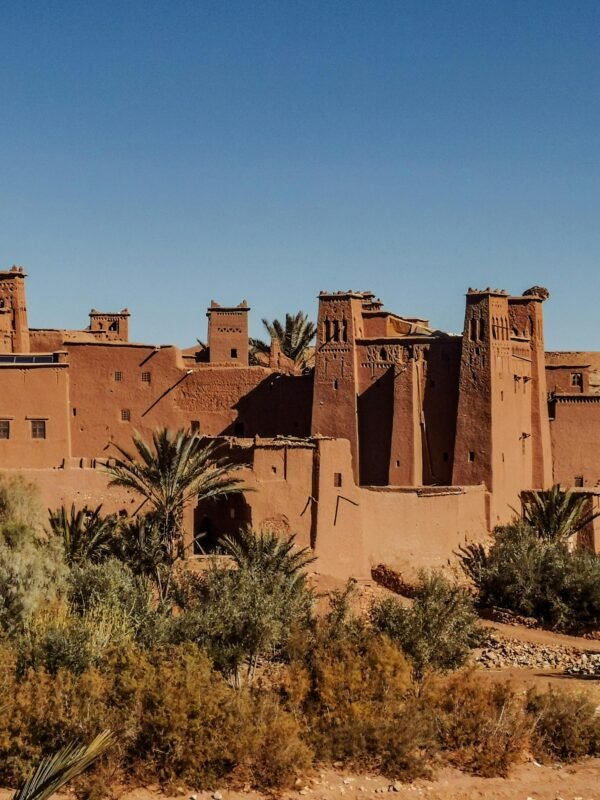
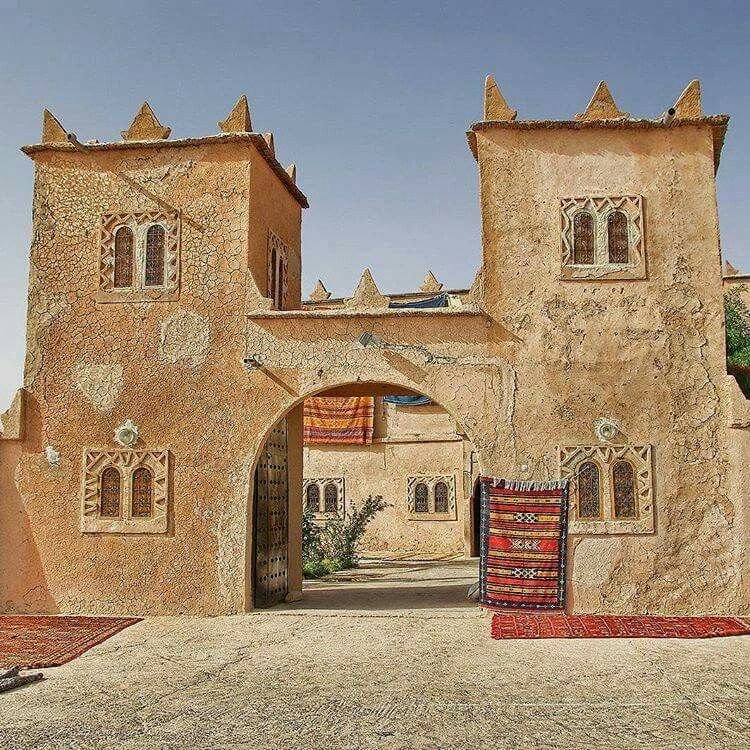
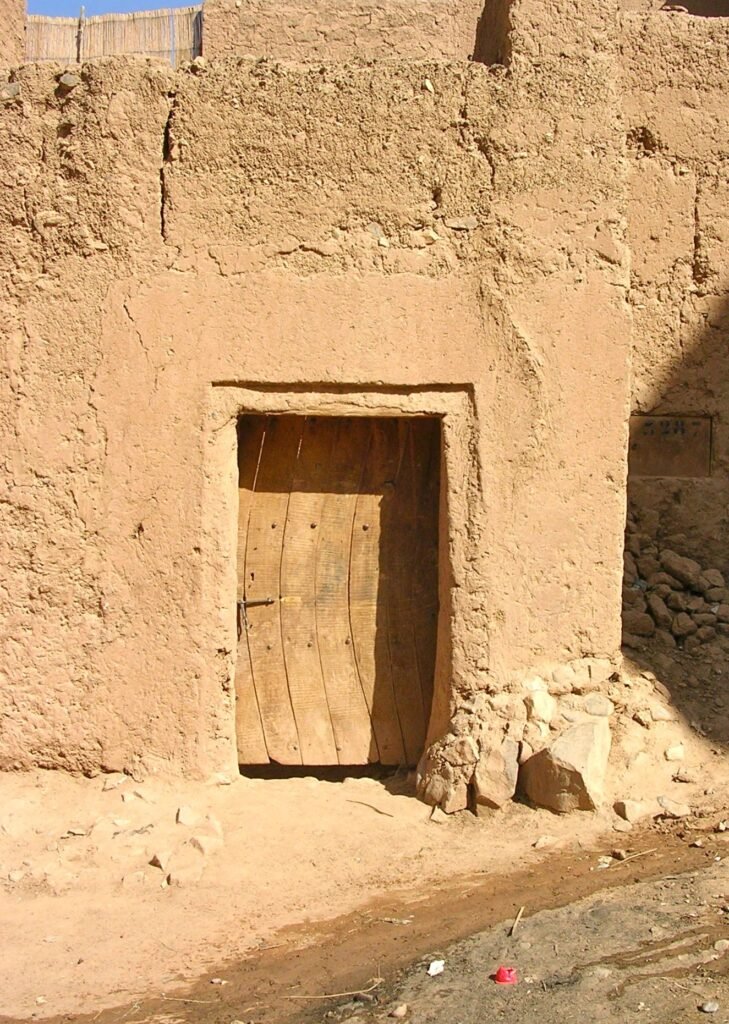
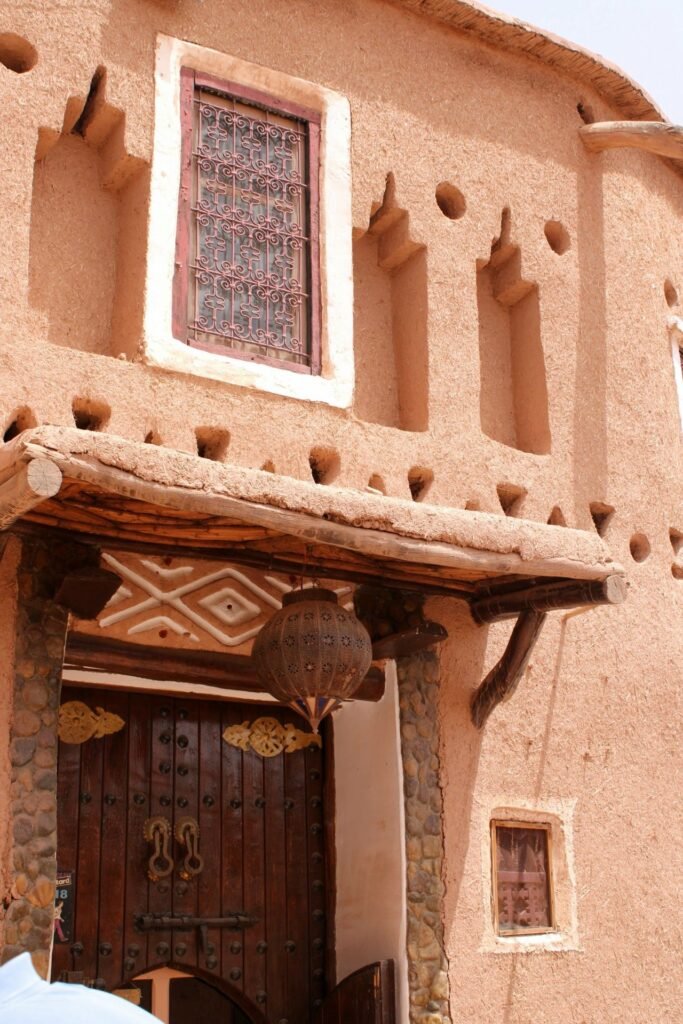
Kasbahs are characterized by towering walls made from adobe or rammed earth, reinforced with corner towers. Entry gates are often monumental, sometimes decorated with carved wood or geometric plasterwork.
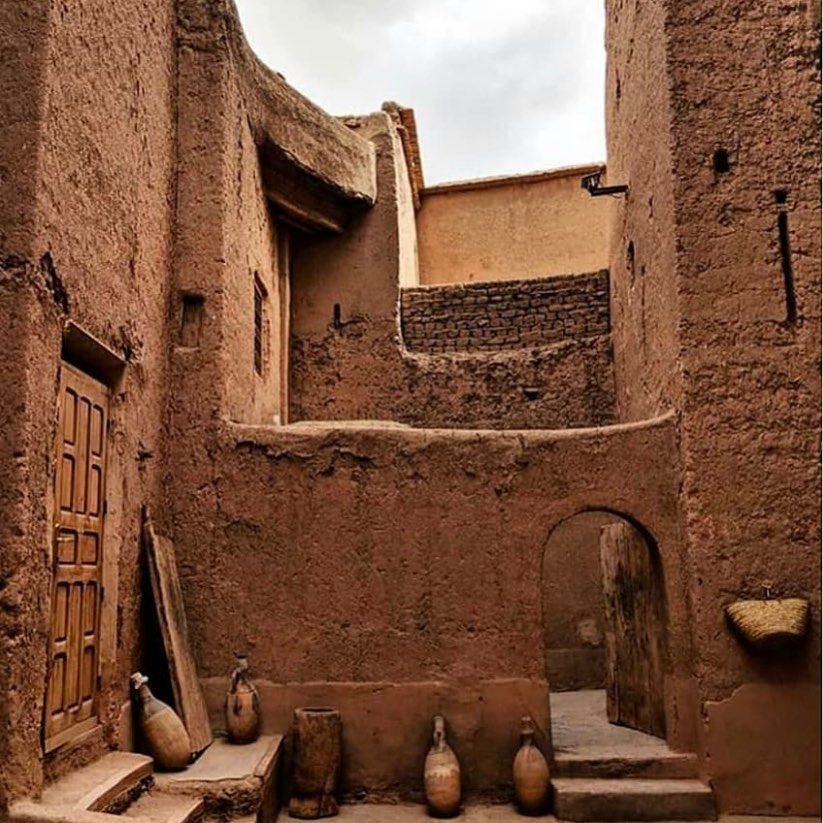
Inside, narrow corridors lead to open courtyards that provide light and ventilation. Upper floors may contain private family quarters, while ground levels store food, goods, and livestock. Defensive design elements such as small windows and high vantage points ensured security.
Variations in Design Across Morocco
Mountain kasbahs in the High Atlas tend to be compact and vertically imposing, built on rocky terrain for strategic defense. In desert regions, kasbahs are more expansive, incorporating larger courtyards and airflow-friendly designs to combat extreme heat.
These regional variations demonstrate how architecture adapted to geography and climate.
Materials and Construction Techniques
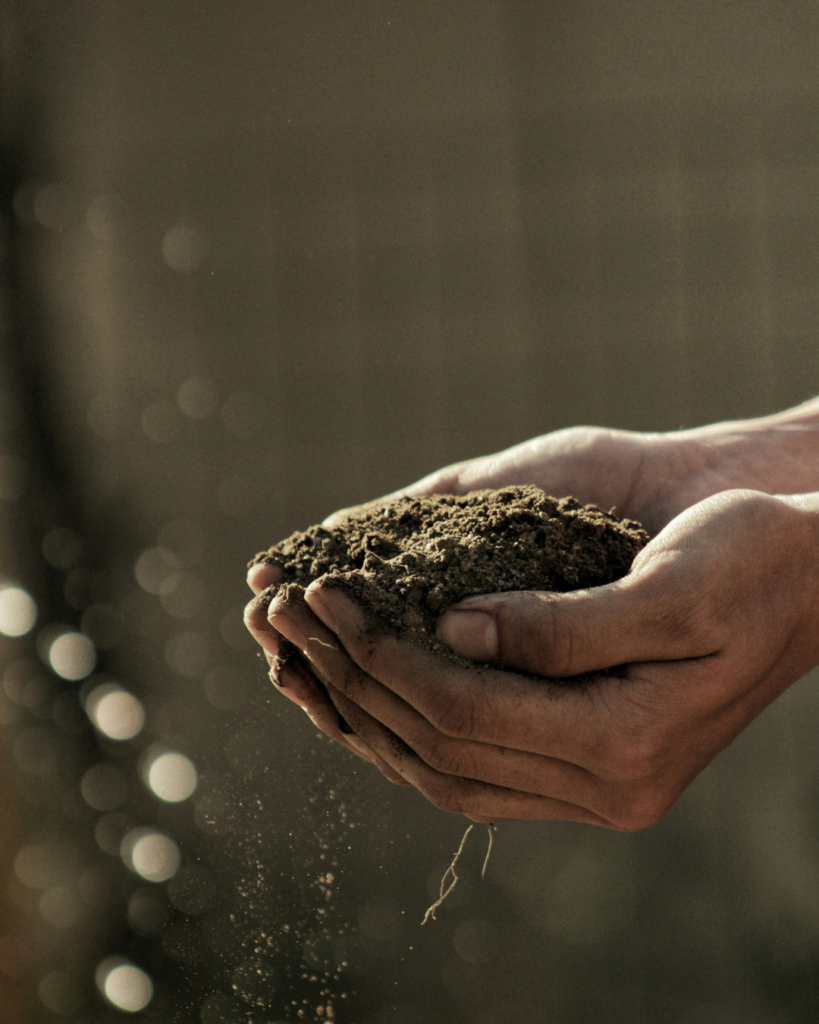
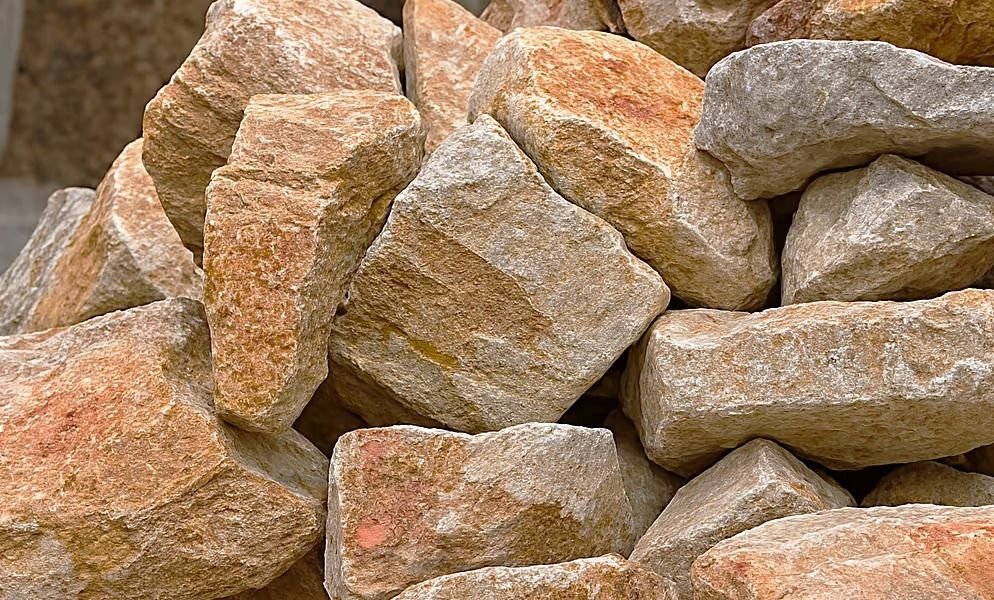
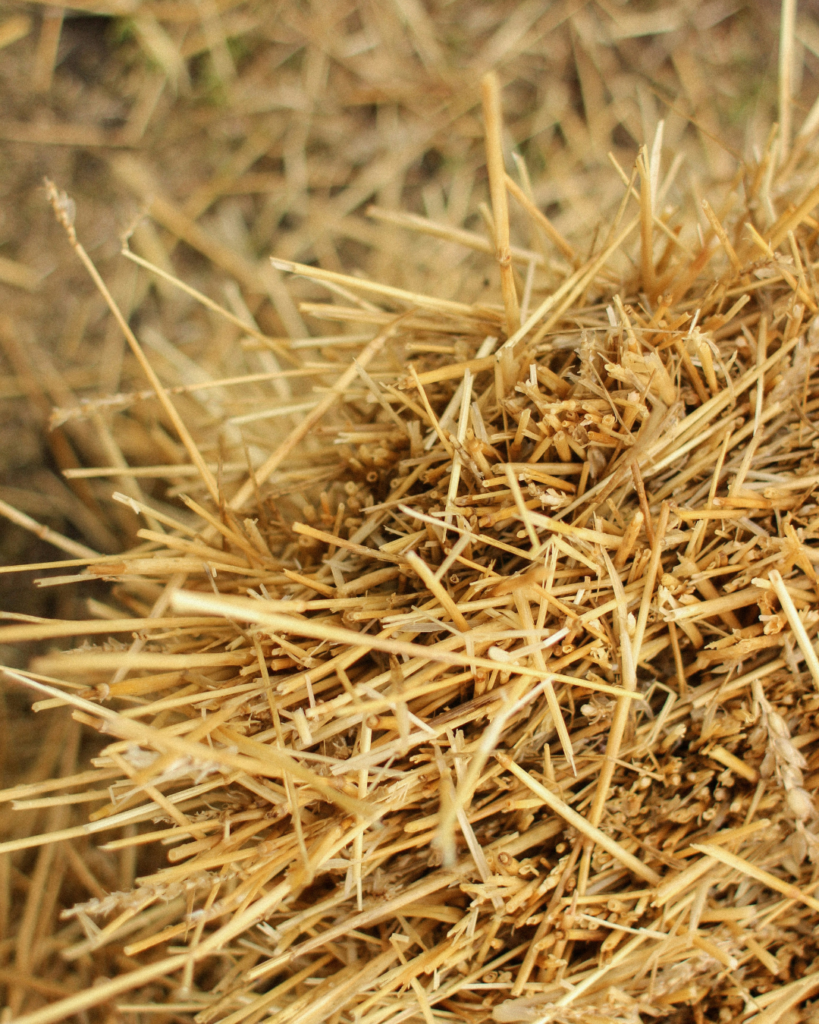
Traditional kasbahs are constructed using rammed earth, clay, straw, and stone. The “pisé” technique involves compressing damp earth into molds to create thick, insulating walls. This method naturally regulates interior temperatures, keeping rooms cool in summer and warm in winter.
Palm trunks and wooden beams support ceilings, while decorative finishes include carved plaster and hand-painted details. The reliance on local materials made kasbah construction both sustainable and practical.
Famous Kasbahs in Morocco
Kasbah of Aït Benhaddou
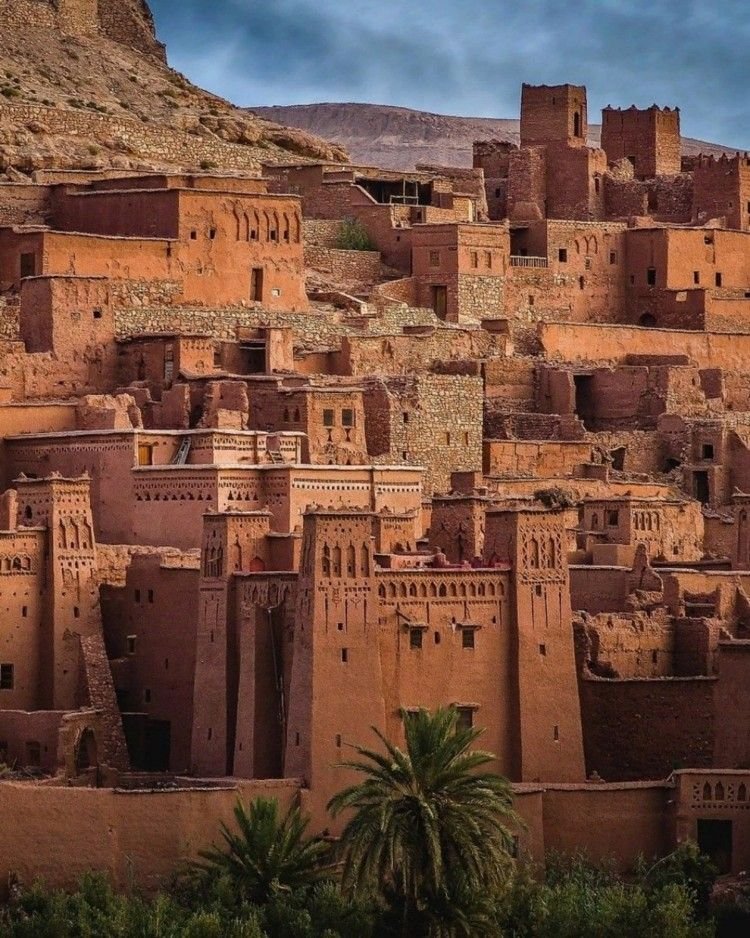
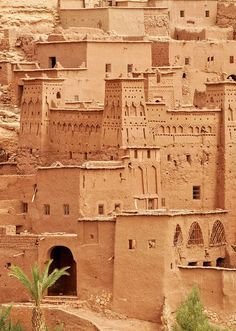
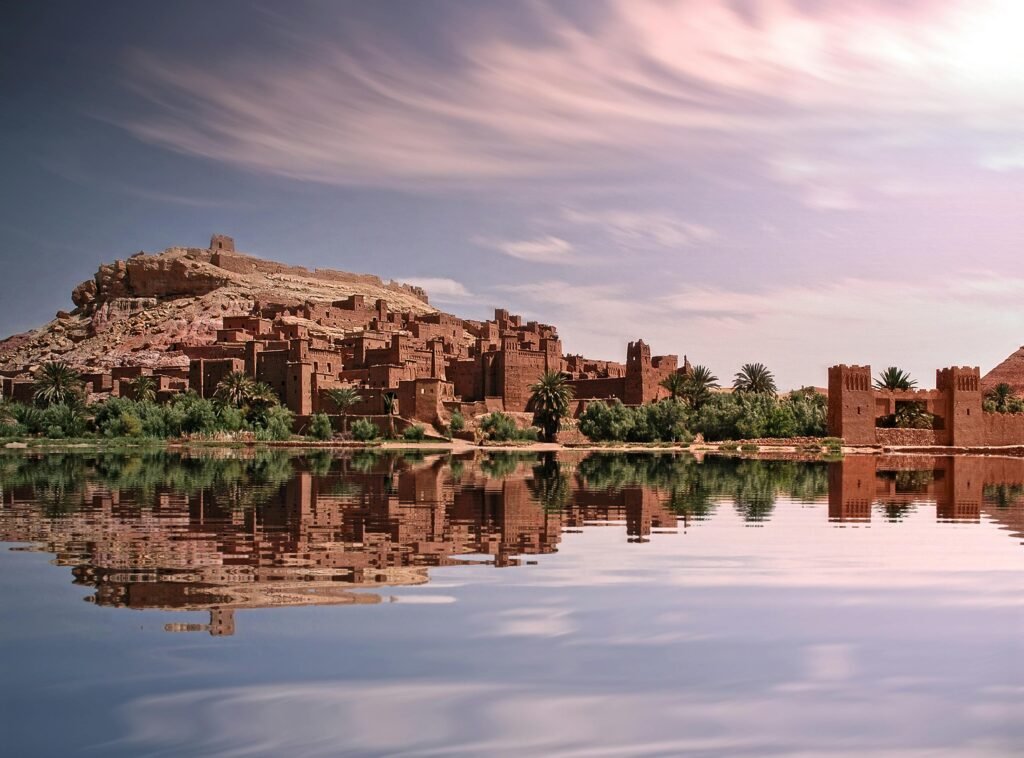
The Aït Ben Haddou is one of Morocco’s most iconic kasbahs and a UNESCO World Heritage Site. Situated along a former caravan route between the Sahara and Marrakech, its red earthen towers rise dramatically above the surrounding valley.
Its striking appearance has made it a favorite filming location for international productions, further elevating its global recognition.
Kasbah of Taourirt
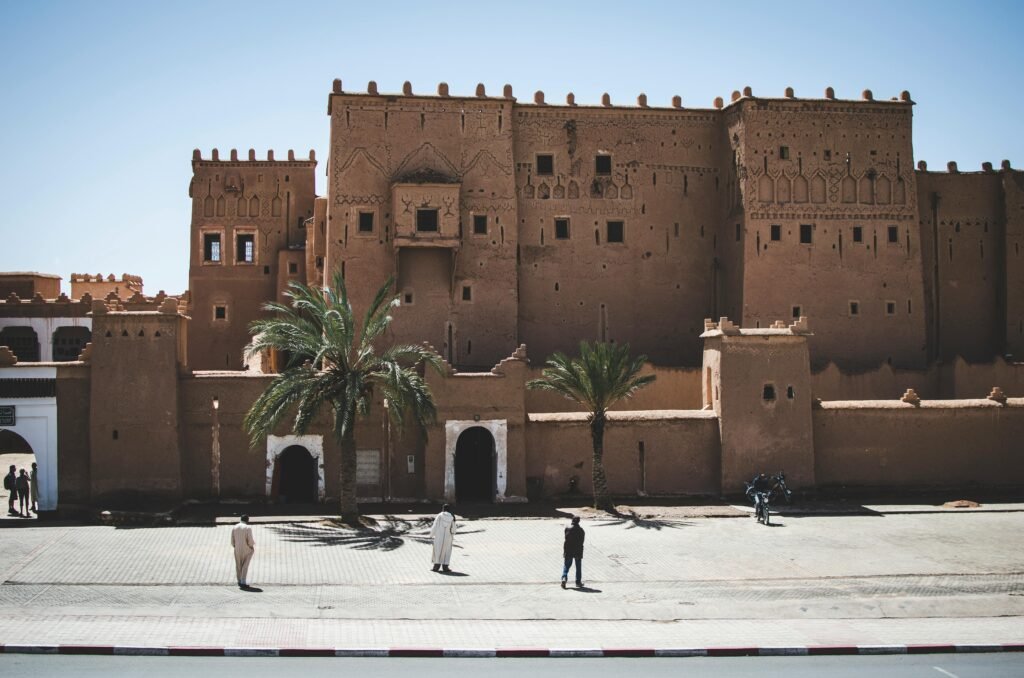
Located in Ouarzazate, the Kasbah of Taourirt once served as the residence of the powerful Glaoui family. Its maze-like interiors and decorative reception rooms reveal the sophistication of southern Moroccan nobility. Today, it stands as a museum and cultural site.
Kasbah of Telouet
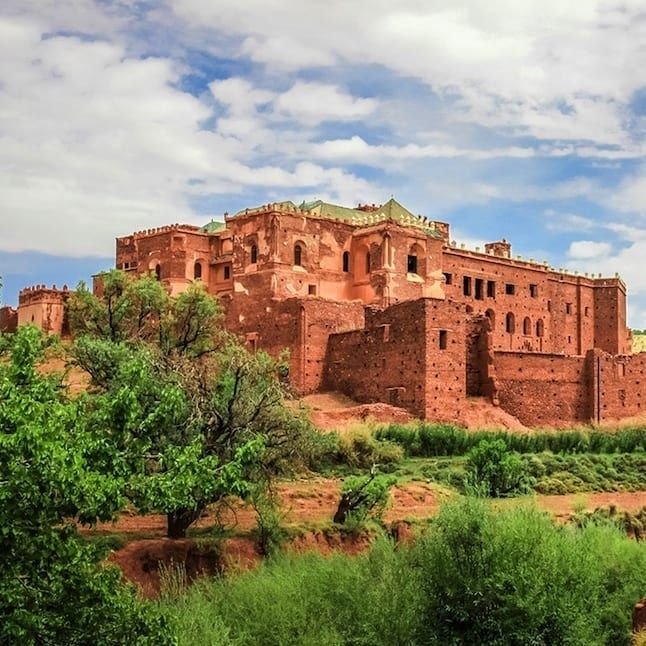
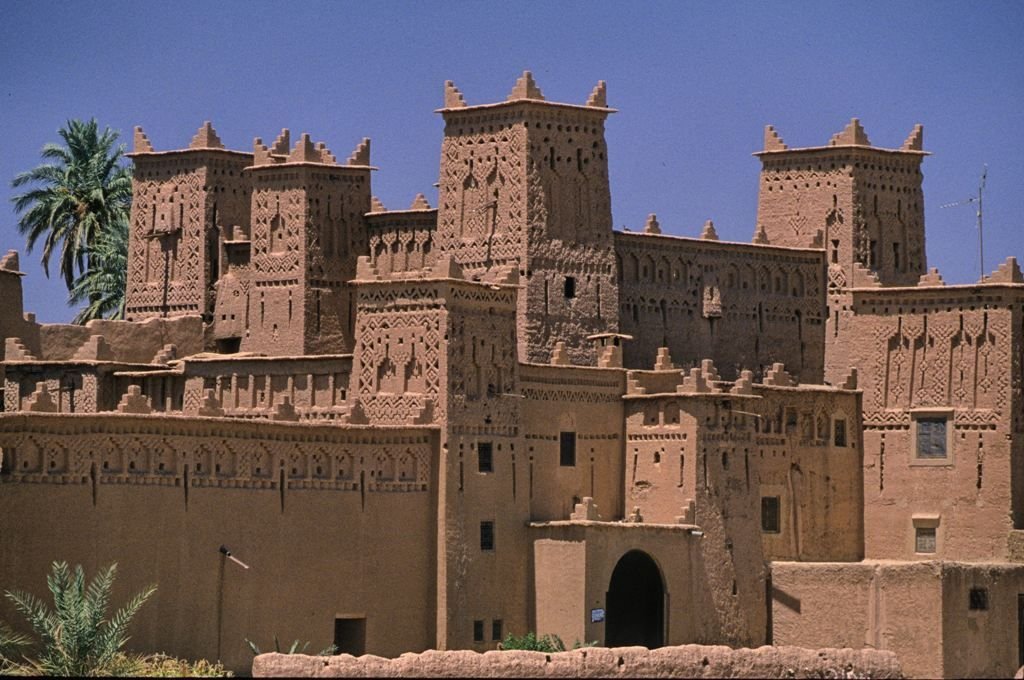
Nestled in the High Atlas Mountains, the Kasbah of Telouet was another stronghold of the Glaoui clan. Though partially in ruins, its ornate interior rooms display intricate zellige and painted cedar ceilings, offering a glimpse into aristocratic life.
Cultural Importance
Kasbahs symbolize strength, community, and ingenuity. They are deeply embedded in Moroccan identity and often serve as focal points for local traditions and gatherings. Their architectural presence reflects centuries of adaptation and resilience in diverse landscapes.
Through film, literature, and art, kasbahs have captured global imagination. Productions such as Gladiator and Game of Thrones have showcased their dramatic settings, reinforcing their status as cultural icons.
Life Inside a Kasbah
Life within a kasbah revolved around hierarchy and communal interaction. The ruling family occupied central quarters, while extended relatives and workers lived in surrounding spaces. Storage areas housed grain and trade goods, while courtyards hosted gatherings and celebrations.
Daily life included agricultural work, craftsmanship, trade negotiations, and religious observances. Festivals and weddings brought music, dance, and communal feasts within the protective walls.
Kasbahs Today
Preservation Efforts
Many kasbahs face threats from erosion, neglect, and climate change. Restoration initiatives led by local communities, government bodies, and international organizations aim to stabilize and conserve these fragile earthen structures.
Modern Adaptations
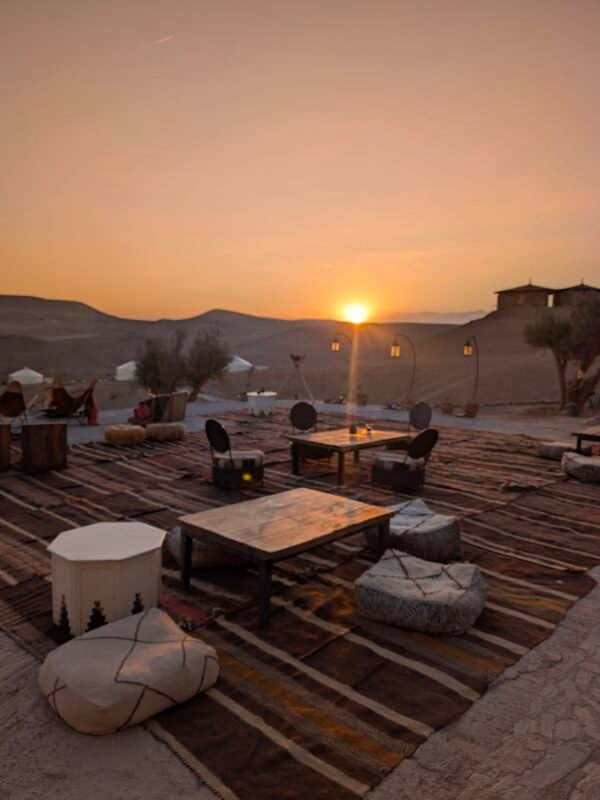
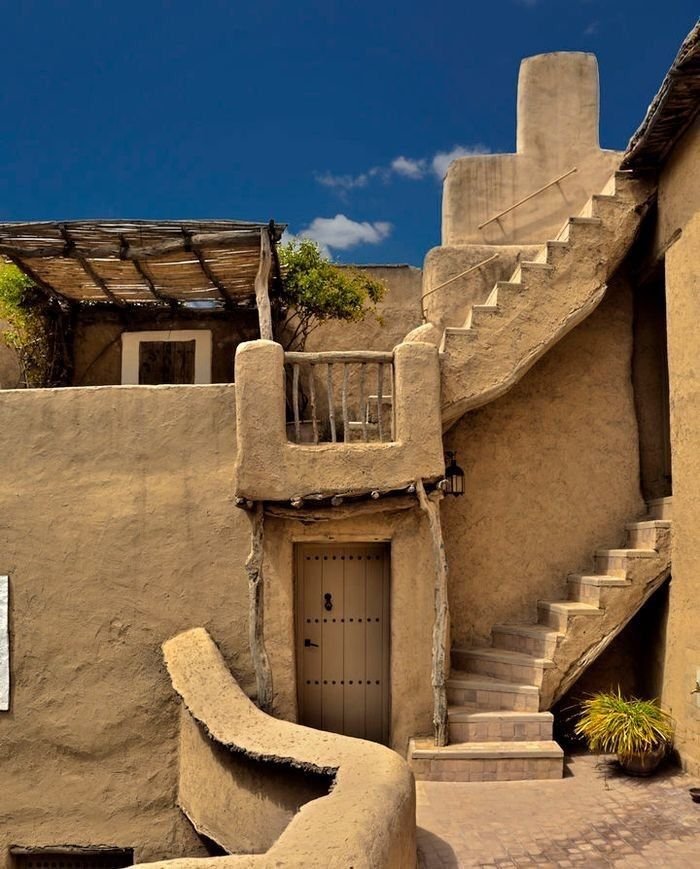
Some kasbahs have been transformed into boutique hotels, museums, or cultural centers. These adaptations help generate revenue for maintenance while introducing visitors to Morocco’s architectural heritage.
Influence on Contemporary Architecture
Modern Moroccan architecture continues to draw inspiration from kasbah design, incorporating thick walls, interior courtyards, and natural materials into contemporary homes and public buildings.
Visiting a Kasbah
Spring and autumn offer the most comfortable temperatures for exploration. Visitors should wear modest clothing, comfortable shoes, and carry water when touring larger complexes. Guided visits provide valuable historical context, while independent exploration allows personal discovery.
Conclusion
Kasbahs stand as enduring monuments to Morocco’s layered history, architectural brilliance, and cultural resilience. From medieval fortresses to restored heritage landmarks, they embody centuries of adaptation and artistry. Preserving these structures ensures that future generations can continue to learn from and be inspired by their powerful presence.
Frequently Asked Questions (FAQs)
What is a Kasbah?
A kasbah is a fortified residence or citadel historically used for defense, governance, and housing influential families.
How old are Moroccan Kasbahs?
Some date back to the 7th century, with many prominent structures built or expanded during the medieval period.
Are Kasbahs still inhabited?
Yes, some remain inhabited by local families, while others function as museums, hotels, or cultural landmarks.
Can visitors stay overnight in a Kasbah?
Certain restored kasbahs operate as guesthouses, allowing travelers to experience traditional architecture firsthand.
How are Kasbahs preserved today?
Preservation efforts include structural reinforcement, restoration using traditional materials, and sustainable tourism initiatives.
Why are Kasbahs important?
They represent Morocco’s historical defense systems, architectural innovation, and cultural identity, serving as enduring symbols of resilience and heritage.