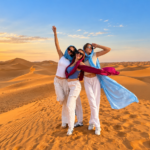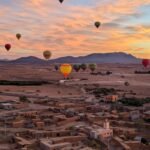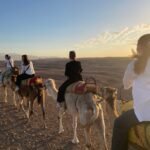
If you’re wondering about the best time to visit Morocco, the answer depends on what you want to experience. Morocco is a year-round destination, but the ideal months can change depending on whether your priority is exploring Marrakech, hiking the Atlas Mountains, spending time in the Sahara Desert, relaxing on the Atlantic coast, or discovering Morocco’s historic imperial cities.
Thanks to its diverse geography, Morocco experiences several different climates. You can have warm sunshine along the coast, cool temperatures in the Atlas Mountains, and dramatic temperature changes in the Sahara Desert—all within the same trip.
For most travelers, spring and autumn are the best overall seasons to visit Morocco. March through May and September through November generally offer comfortable conditions for sightseeing, desert adventures, city tours, and outdoor activities.
However, summer and winter can also be excellent times to travel if you choose your destinations and activities carefully.
This guide explains Morocco’s weather throughout the year, what each season is like, the best months for different experiences, and practical tips for planning your trip.
When Is the Best Time to Visit Morocco?
For a balanced Morocco vacation, the best times are generally:
- March to May: Excellent for cities, mountains, desert trips, and sightseeing.
- June: Good for many regions, although inland areas become hotter.
- July to August: Best for the Atlantic coast and northern Morocco if you want to escape the heat.
- September to November: Excellent for cities, desert tours, and outdoor activities.
- December to February: Great for cultural trips, warmer southern destinations, and winter mountain experiences.
If you want the simplest answer, April, May, October, and November are among the best months to visit Morocco.
These months typically provide a comfortable combination of sightseeing weather, outdoor conditions, and pleasant temperatures.
Morocco Weather at a Glance
Morocco’s climate varies considerably by region.
| Season | Months | What to Expect | Best For |
|---|---|---|---|
| Spring | March–May | Mild to warm | Cities, mountains, desert |
| Summer | June–August | Hot inland, pleasant coast | Beaches, northern Morocco |
| Autumn | September–November | Warm to mild | Desert, cities, sightseeing |
| Winter | December–February | Mild south, cold mountains | Cities, culture, skiing |
Remember that these are general patterns. Weather can vary from one year to another, and temperatures can differ significantly between regions.
Visiting Morocco in Spring


Spring is one of the best times to visit Morocco.
From March through May, temperatures are generally comfortable for exploring cities and participating in outdoor activities.
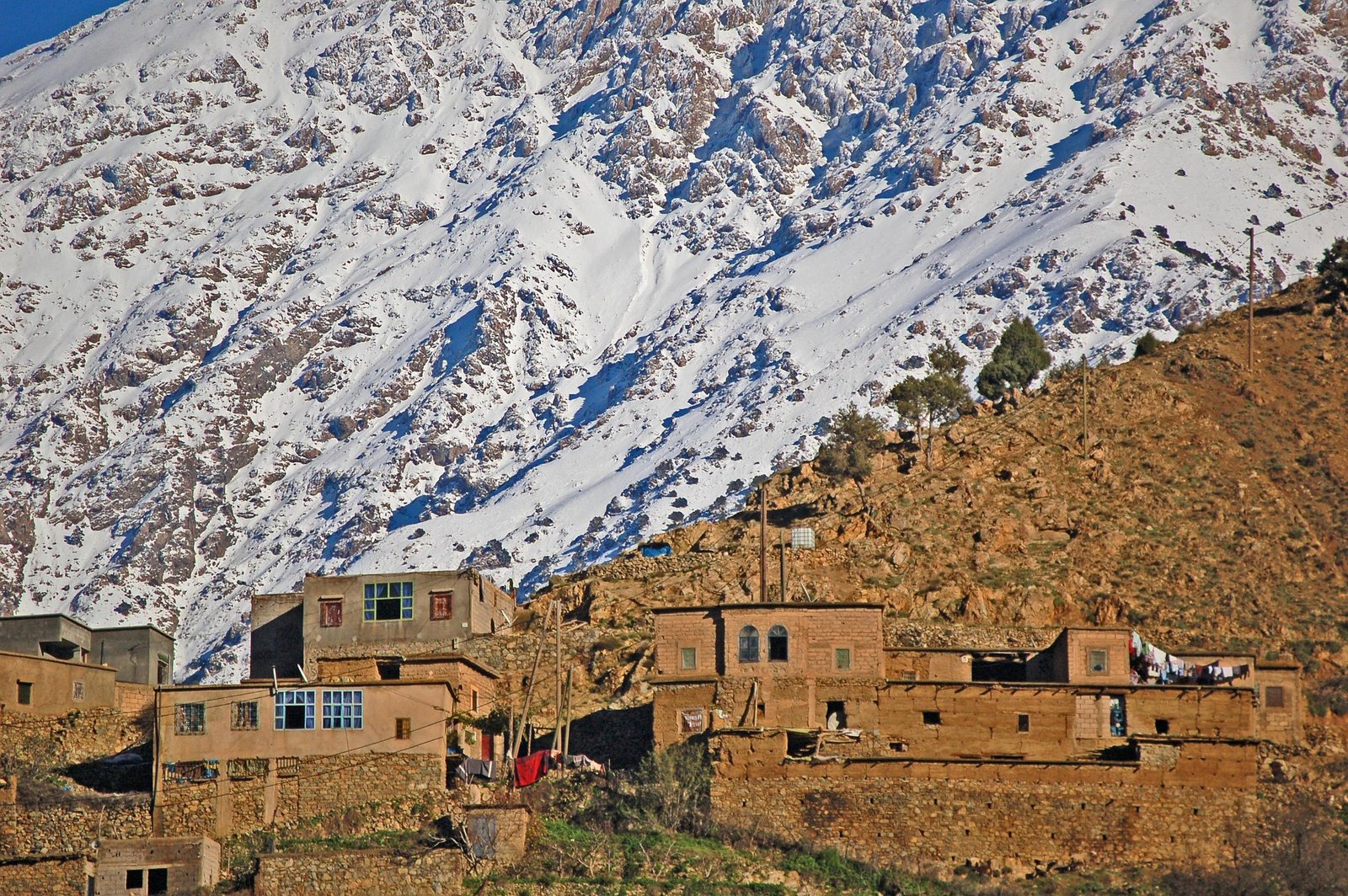
The landscape can also be particularly beautiful after the winter months. Mountain valleys may become greener, wildflowers can appear in certain regions, and the contrast between the snow-capped Atlas Mountains and warmer lowlands can be spectacular.
March in Morocco
March marks the transition from winter toward spring.
Marrakech and southern Morocco can be pleasantly warm during the day, while mornings and evenings may still feel cool.
This is a good month for:
- Marrakech sightseeing
- Atlas Mountain excursions
- Ait Ben Haddou
- Desert tours
- Fes and Meknes
- Essaouira
- Cultural tours
Pack layers because temperatures can change significantly between morning and afternoon.
April in Morocco
April is one of the most attractive months for a Morocco trip.
The weather is generally comfortable, making it ideal for long sightseeing days.
It is particularly good for travelers who want to combine cities, mountains, and the Sahara Desert in one itinerary.
May in Morocco
May brings warmer temperatures, especially inland.
It can still be an excellent month for traveling through Morocco, although afternoons may become hot in Marrakech and other inland destinations.
If you’re planning outdoor activities, start early in the day and take breaks during the warmest hours.
Visiting Morocco in Summer


Summer in Morocco runs approximately from June through August.
This is the hottest period of the year, particularly in inland cities and desert regions.
However, summer does not mean Morocco should be avoided.
Instead, it means you should plan your itinerary strategically.
June in Morocco
June can be an excellent transitional month.
Temperatures rise, but many areas remain comfortable for sightseeing if you plan activities in the morning and evening.
The coast becomes increasingly attractive, while northern Morocco can also provide pleasant conditions.
July and August in Morocco
July and August are the hottest months in many inland regions.
Marrakech, Fes, and parts of southern Morocco can become extremely hot during the afternoon.
The Sahara can also be intensely hot during summer.
That does not make summer desert travel impossible, but it does require careful planning and appropriate expectations.
If you’re traveling during July or August, consider:
- Starting sightseeing early.
- Taking a break during the hottest part of the afternoon.
- Staying hydrated.
- Wearing lightweight, breathable clothing.
- Using sunscreen and sun protection.
- Choosing accommodation with air conditioning where possible.
- Spending more time on the Atlantic coast.
Is Morocco Too Hot in Summer?
Not necessarily.
The answer depends heavily on where you go.
The Atlantic coast, including destinations such as Essaouira and parts of the Agadir region, can be significantly more comfortable than inland cities.
Essaouira is particularly well known for its coastal winds, which can make summer temperatures feel much more manageable.
If you want to visit Morocco during summer, consider combining Marrakech or Fes with a coastal destination.
Visiting Morocco in Autumn


Autumn is another excellent season for Morocco travel.
September through November generally brings increasingly comfortable temperatures after the summer heat.
September can still be quite warm, particularly inland, but conditions usually improve as the season progresses.
September in Morocco
September can be a fantastic month for desert tours.
The intense summer heat begins to ease, although travelers should still expect warm temperatures.
It is also a good time for:
October in Morocco
October is one of the best months for a Morocco vacation.
Temperatures are generally comfortable, making it easier to spend entire days sightseeing.
This is an excellent time for multi-day itineraries that combine Marrakech, the Atlas Mountains, Ait Ben Haddou, the Dades Valley, and the Sahara Desert.
November in Morocco
November brings cooler temperatures, especially in the evenings.
Southern Morocco can remain pleasantly warm during the day, while northern and mountainous areas can become considerably cooler.
This is a good month for travelers who prefer mild weather rather than intense heat.
Visiting Morocco in Winter


Winter in Morocco lasts approximately from December through February.
Many travelers are surprised to discover that Morocco can be a great winter destination.
While the Atlas Mountains can become cold and snowy, Marrakech and southern Morocco often have plenty of sunshine during the daytime.
December in Morocco
December can be an excellent month for city breaks.
Marrakech is generally much more comfortable for sightseeing than during the summer heat.
However, evenings can be cold, so bring warm layers.
December is also a popular time for travelers looking to escape colder European or North American winters.
January in Morocco
January is typically one of the coolest months.
The Atlas Mountains can experience snow, while desert nights can become very cold.
Marrakech and other southern cities can still offer pleasant daytime conditions.
If you’re planning a January desert trip, don’t make the mistake of packing only lightweight clothing.
Bring a warm jacket and layers for the evening.
February in Morocco
February begins the transition toward spring.
Southern Morocco can be pleasantly warm during the day, while mornings and evenings remain cool.
It can be a good month for travelers who want fewer crowds and comfortable sightseeing conditions.
Best Time to Visit Marrakech


The best time to visit Marrakech is generally spring and autumn.
April, May, October, and November are particularly attractive because daytime temperatures are usually more comfortable for exploring the Medina, palaces, gardens, souks, and surrounding attractions.
Summer can be extremely hot, but Marrakech remains popular throughout the year.
If visiting during July or August, plan sightseeing early in the morning and later in the afternoon.
Best Time to Visit the Sahara Desert


The best time for a Morocco Sahara Desert tour is generally spring and autumn.
The months of March, April, May, October, and November offer particularly attractive conditions.
The desert can be visited during winter too, but nights can be very cold.
Summer is possible but much hotter, so travelers should be prepared for intense daytime temperatures.
For most first-time visitors, autumn is an especially appealing season because the summer heat has started to decline while the days remain relatively warm.
Best Time for a Sahara Desert Camel Ride
Camel trekking is one of the most memorable experiences in Morocco.
For comfortable camel rides, cooler months are preferable.
Spring and autumn allow travelers to enjoy the dunes without the extreme heat that can occur during summer.
A sunset camel ride is especially popular because temperatures are usually more pleasant and the changing light creates spectacular views across the dunes.
Best Time to Visit the Atlas Mountains


The best time for hiking in the Atlas Mountains depends on altitude and the specific route.
Spring and autumn are generally excellent for lower and mid-altitude hikes.
Summer can also be good at higher elevations, although temperatures can still be warm during the day.
Winter brings snow to higher areas, creating opportunities for winter mountain experiences but also making some routes more demanding.
If you’re planning to hike around Imlil or Mount Toubkal, check local conditions before departure and use an experienced local guide when appropriate.
Best Time to Visit Fes
Fes is best enjoyed during the milder months of spring and autumn.
The city’s historic Medina is fascinating but can be physically demanding to explore because of its narrow streets and extensive walking.
Moderate temperatures make spring and autumn particularly comfortable.
Winter can also be pleasant during sunny days, while summer afternoons may be hot.
Best Time to Visit Chefchaouen


Chefchaouen can be visited throughout the year.
Spring and autumn are excellent for walking through the blue-painted Medina and exploring the surrounding Rif Mountains.
Summer can be warm but remains popular, while winter tends to be cooler and quieter.
If photography is one of your priorities, early mornings can provide a particularly peaceful atmosphere regardless of the season.
Best Time to Visit Essaouira
Essaouira is one of Morocco’s best destinations for travelers looking for a coastal escape.
The Atlantic climate means temperatures are often more moderate than inland Morocco.
Summer can be particularly appealing for travelers who want to escape the heat of Marrakech.
The city is also popular for wind-related activities, including kitesurfing and windsurfing.
Best Time to Visit Agadir
Agadir is another strong year-round option.
Its coastal location gives it a relatively mild climate compared with many inland destinations.
Summer is particularly popular for beach holidays, while winter can also provide pleasant conditions for travelers escaping colder climates.
Best Time to Visit Morocco for Beaches
If beaches are a major priority, summer can be a good choice.
Popular coastal destinations include:
- Agadir
- Essaouira
- Taghazout
- Asilah
- Tangier
- El Jadida
Atlantic water temperatures can remain relatively cool, even when the air temperature is warm, so travelers should keep this in mind.
Best Time for Hiking in Morocco
Spring and autumn are generally the most comfortable seasons for hiking at lower and medium elevations.
For serious mountain trekking, the best season depends on altitude, route, and snow conditions.
If your trip includes Mount Toubkal, the High Atlas, or remote mountain villages, work with an experienced local guide and check weather conditions before setting out.
Best Time for a Morocco Desert Tour from Marrakech
If you’re planning a 3-day Sahara tour from Marrakech, spring and autumn are particularly attractive.
A typical route can take you through the High Atlas Mountains, Ait Ben Haddou, the Dades Valley, Todra Gorge, and Merzouga before returning to Marrakech.
Because this itinerary involves long driving days and outdoor activities, comfortable weather can make a major difference.
October and April are particularly popular choices for travelers who want a balance between pleasant temperatures and good desert conditions.
Best Time for a Morocco Honeymoon

For a honeymoon, spring and autumn are usually ideal.
Couples can combine romantic riads, Marrakech experiences, Atlas Mountain excursions, luxury desert camps, and coastal stays without dealing with the extreme summer heat.
A honeymoon itinerary could include:
Marrakech → Atlas Mountains → Ait Ben Haddou → Dades Valley → Merzouga → Sahara Desert → Marrakech
Or you can extend the journey toward Essaouira or another coastal destination for a relaxing ending.
Best Time for a Morocco Family Vacation
Families often prefer spring and autumn because temperatures are comfortable for children and adults alike.
These seasons make it easier to combine sightseeing with outdoor activities.
A family itinerary could include Marrakech, an Atlas Mountain excursion, a desert experience, and time on the coast.
If traveling with young children during summer, consider reducing the number of long driving days and avoiding strenuous activities during the hottest part of the day.
Best Time for a Budget Trip to Morocco
Traveling during shoulder seasons can offer an attractive balance between weather and cost.
Instead of choosing only the peak travel periods, consider traveling during months when demand is somewhat lower.
Winter can also be attractive for budget-conscious travelers, particularly if you’re visiting cities rather than focusing heavily on mountain or beach activities.
However, prices vary by destination, accommodation type, holidays, and demand.
Does Ramadan Affect Travel in Morocco?
Ramadan follows the Islamic lunar calendar, so its dates change each year.
During Ramadan, the rhythm of daily life in Morocco changes significantly.
Many restaurants and businesses adjust their opening hours, and people who are fasting may have different schedules.
For visitors, Ramadan can be a fascinating cultural experience.
Travelers should simply be respectful and understand that daytime services may operate differently.
Hotels and tourist-oriented restaurants generally continue serving visitors, although schedules can vary.
If you’re traveling during Ramadan, check opening times for attractions, restaurants, and transportation before planning your day.
How to Choose the Right Month for Your Morocco Trip
Instead of asking only “When is the best time to visit Morocco?”, ask yourself:
What do I want to do in Morocco?
If you want to hike, choose spring or autumn.
If you want to explore Marrakech comfortably, choose spring or autumn.
If you want a beach holiday, summer can be excellent for the coast.
If you want to see snow in the Atlas Mountains, winter may be ideal.
If you want a Sahara experience with comfortable temperatures, spring and autumn are strong choices.
If you want a winter escape from colder countries, southern Morocco can be particularly attractive from December through February.
Final Thoughts: When Should You Visit Morocco?
There is no single perfect month for every traveler.
The best time to visit Morocco depends on your itinerary, interests, and tolerance for heat or cold.
For a first-time visitor looking for the best overall conditions, spring and autumn are the safest choices. April, May, October, and November offer particularly attractive conditions for combining Morocco’s cities, mountains, desert, and cultural attractions.
Summer is ideal for coastal travel and can still work well for inland destinations if you plan around the heat.
Winter offers a different side of Morocco, with mild southern cities, cooler evenings, and snow-covered mountain landscapes.
Whatever month you choose, Morocco offers something special.
The key is to build your itinerary around the season rather than simply choosing a destination and hoping the weather cooperates.
With the right planning, you can experience Morocco’s ancient medinas, dramatic mountains, golden Sahara dunes, coastal towns, traditional cuisine, and welcoming culture at almost any time of year.
Choose the season that matches your travel style, pack accordingly, and let Morocco become part of the adventure.
Frequently Asked Questions
What is the best month to visit Morocco?
April, May, October, and November are among the best months for an overall Morocco trip because temperatures are generally comfortable for sightseeing and outdoor activities.
What is the hottest month in Morocco?
July and August are generally among the hottest months, particularly in inland cities and southern regions.
What is the coldest month in Morocco?
January is generally one of the coldest months, especially in the mountains and northern areas. Southern Morocco can still have pleasant daytime temperatures.
Is March a good time to visit Morocco?
Yes. March is an excellent transitional month, particularly for cities, mountain excursions, and desert tours.
Is Morocco good to visit in October?
Yes. October is one of the most popular months for Morocco travel because temperatures are generally comfortable across many major destinations.
Can you visit the Sahara Desert in summer?
Yes, but summer temperatures can be extremely high. Travelers should prepare carefully, stay hydrated, protect themselves from the sun, and follow local guidance.
Is December a good time to visit Morocco?
Yes. December can be excellent for Marrakech, Fes, southern Morocco, and cultural sightseeing. However, desert nights and mountain regions can be cold.
What is the best season for a Morocco desert tour?
Spring and autumn are generally the best seasons for comfortable Sahara Desert travel.
What is the best time for a Morocco honeymoon?
Spring and autumn are generally ideal because couples can enjoy cities, desert experiences, mountains, and coastal destinations without the most intense summer heat.
Is Morocco a year-round destination?
Yes. Morocco can be visited throughout the year. The best season depends on where you want to go and what activities you want to enjoy.