Is Morocco Safe for Tourists? Quick Answer
Yes, Morocco is a major international tourist destination, and millions of travelers visit the country. However, like any destination, it is important to understand the risks, stay aware of your surroundings and take sensible precautions.
The most common issues tourists may encounter are generally related to petty theft, scams, unofficial guides and road safety, particularly in busy tourist areas. Travelers should also remain aware of official warnings concerning terrorism and avoid specific border or restricted areas identified by their own governments.
The key point is simple: most trips to Morocco can be enjoyed safely when travelers plan properly and use the same common sense they would use in any unfamiliar country.
Morocco Safety at a Glance
| Safety Topic | What Travelers Should Know |
|---|---|
| Overall travel | Morocco is a popular international destination, but travelers should follow current official advice |
| Petty crime | Pickpocketing and bag-snatching can occur, especially in busy tourist areas |
| Marrakech | Generally manageable for tourists, but remain alert in crowded medinas and avoid isolated areas after dark |
| Sahara Desert | Safe when planned properly; avoid remote or border areas and use experienced local operators |
| Solo travel | Possible, but extra awareness is important, especially at night |
| Women travelers | Unwanted attention can occur; sensible precautions and local awareness are helpful |
| Transportation | Road safety requires attention, particularly on mountain and secondary roads |
| Scams | Unofficial guides, aggressive sales tactics and other confidence tricks can occur |
| Terrorism | Official advisories warn of a terrorism risk; stay aware and follow local authorities |
| Border areas | Certain areas near Algeria and parts of Western Sahara have specific travel warnings |
| Travel insurance | Strongly recommended for medical emergencies, cancellations and planned activities |
Understanding Morocco’s Current Travel Safety Advice
Before traveling to any country, it is important to check the latest official advice from your own government.
As of September 2026, the U.S. Department of State lists Morocco at Level 2: Exercise Increased Caution, citing the risk of terrorism. The UK Foreign, Commonwealth & Development Office also warns that terrorists are likely to try to carry out attacks and advises travelers to remain aware of their surroundings. Canada’s advisory recommends exercising a high degree of caution due to the threat of terrorism and gives additional regional warnings.
These advisories do not mean that every tourist experience or destination is unsafe. They mean travelers should understand the risks and make informed decisions.
Current Official Guidance at a Glance
| Government | General Advice as of September 2026 |
|---|---|
| United States | Level 2: Exercise Increased Caution |
| United Kingdom | Remain aware of surroundings and follow FCDO safety advice |
| Canada | Exercise a High Degree of Caution |
Travel advice can change. Always check the latest official guidance applicable to your nationality before booking and again before departure.
Is Marrakech Safe for Tourists?
Marrakech is one of Morocco’s most visited destinations and welcomes travelers from around the world.
For most visitors, the biggest practical concerns are the same ones found in many busy tourist cities: crowded areas, pickpocketing, scams, traffic and becoming disoriented in unfamiliar streets.
The historic medina is particularly lively. Its narrow streets, markets, motorcycles, pedestrians and large numbers of visitors create an exciting atmosphere, but they also require awareness.
Marrakech Safety Guide
| Situation | Practical Advice |
|---|---|
| Walking in the medina | Stay aware of your belongings and surroundings |
| Crowded souks | Keep phones, wallets and valuables secure |
| Getting lost | Use a reliable map or ask trusted accommodation staff for help |
| Unofficial guides | Do not assume someone offering directions or a tour is officially licensed |
| Evening walks | Avoid quiet and poorly lit streets when possible |
| ATMs | Use machines in secure, well-populated locations |
| Road crossings | Watch carefully for motorcycles, cars and other traffic |
| Taxis | Agree on the fare or ensure the meter is used where appropriate |
Official UK and Canadian guidance specifically warns that petty crime and scams can occur in tourist areas and medinas. The UK government also advises travelers using guides in historical districts to make sure they are officially authorized.
Marrakech should not be approached with fear.
Instead, approach it with awareness.
The same basic habits you would use in a busy city such as Barcelona, Rome or Paris can go a long way: keep valuables secure, avoid displaying large amounts of money and stay alert in crowded areas.
Is the Morocco Medina Safe?
Morocco’s historic medinas are among the most fascinating places to visit, but they can feel overwhelming for first-time travelers.
The streets can be narrow and maze-like, and you may encounter pedestrians, motorcycles, carts, shops and vendors all sharing the same space.
The main safety issue for most visitors is not serious crime. It is being aware of your belongings, avoiding scams and navigating unfamiliar streets.
How to Stay Safe in Moroccan Medinas
| Tip | Why It Helps |
|---|---|
| Keep your phone secure | Crowded areas can create opportunities for theft |
| Carry bags securely | Reduces the risk of snatching |
| Avoid showing large amounts of cash | Helps avoid attracting unwanted attention |
| Use an official guide if you want a guided tour | Reduces the risk of dealing with bogus guides |
| Stay on familiar routes after dark | Makes navigation easier |
| Know your accommodation location | Helpful if you become disoriented |
| Politely decline unwanted assistance | Some offers of help may lead to requests for payment |
The best approach is to remain friendly but confident.
Morocco is known for hospitality, and many local interactions are completely genuine. However, travelers should understand the difference between a friendly conversation and someone attempting to pressure them into paying for an unsolicited service.
Is Morocco Safe for Solo Travelers?
Yes, solo travelers can visit Morocco, but traveling alone requires additional awareness.
Morocco can be a rewarding destination for independent travelers. Cities such as Marrakech, Fez, Essaouira and Chefchaouen have well-developed tourism infrastructure, and there are many accommodation and transportation options.
However, solo travelers do not have another person immediately available to help if they become lost, face unwanted attention or encounter an emergency.
Solo Travel Safety in Morocco
| Situation | Recommended Approach |
|---|---|
| Arriving late | Arrange reliable transportation to your accommodation |
| Exploring a new city | Learn your route before leaving |
| Walking after dark | Stay in busy, well-lit areas |
| Remote hiking | Avoid hiking alone in isolated regions |
| Meeting strangers | Use normal travel precautions |
| Valuables | Keep important documents and money secure |
| Nightlife | Watch your drinks and avoid leaving belongings unattended |
| Desert travel | Use a reputable operator with clear arrangements |
Official Canadian guidance specifically advises against hiking alone in remote mountain regions, while UK guidance highlights the risks of isolated and poorly lit areas after dark.
For solo travelers who want to explore several regions, joining a reputable small-group experience or arranging a private itinerary can also reduce some of the logistical challenges of navigating unfamiliar routes alone.
Is Morocco Safe for Women Travelers?
Morocco can be visited by women traveling alone, with friends, as couples or with family.
However, women traveling alone may receive unwanted attention or verbal harassment, particularly in busy urban areas. Both UK and Canadian government guidance specifically mention this possibility.
This does not mean every woman will have the same experience, but it is useful to understand the local environment and prepare accordingly.
Practical Safety Tips for Women Travelers
| Situation | Helpful Precaution |
|---|---|
| Walking alone | Remain aware of your surroundings |
| Quiet areas after dark | Avoid isolated and poorly lit locations |
| Unwanted attention | Be firm and continue moving when appropriate |
| Clothing | Comfortable, respectful clothing can help you feel more at ease |
| Taxis | Use reputable transportation and confirm arrangements |
| Solo excursions | Choose established operators |
| Remote areas | Avoid traveling alone without appropriate local support |
| Accommodation | Select well-reviewed, reputable properties |
There is no single dress code for tourists across Morocco, and what you see in Marrakech may differ from smaller towns or rural communities.
The most practical approach is to dress according to your comfort while being aware of local customs and the places you are visiting.
For women who prefer additional peace of mind, a well-organized itinerary with trusted accommodation, transportation and local contacts can make traveling considerably easier.
Is Morocco Safe for Families?
Morocco can be an excellent destination for families.
Children can enjoy experiences that are difficult to find in a typical city vacation: camel rides, desert camps, Moroccan cooking, beaches, gardens, mountain villages and cultural activities.
The most important safety factor for families is often good itinerary planning.
Trying to see too much in too little time can lead to long, tiring journeys and unnecessary stress.
Family Safety and Comfort Guide
| Travel Concern | Best Approach |
|---|---|
| Long drives | Build rest stops and avoid an overly rushed itinerary |
| Desert trips | Choose suitable accommodation and experienced operators |
| Food | Choose reputable restaurants and use sensible hygiene precautions |
| Heat | Plan activities around the hottest hours |
| Mountains | Select activities suitable for children’s ages and abilities |
| Beaches | Check conditions and supervise children closely |
| Medinas | Keep children close in crowded areas |
| Transportation | Use properly maintained vehicles and appropriate safety restraints |
Families should pay particular attention to water safety. UK guidance notes that some beaches have limited or no lifeguard coverage and that strong currents and unexpected waves can occur.
A good family trip is not about visiting the maximum number of destinations.
It is about creating a route that allows everyone to enjoy them.
Is the Sahara Desert Safe?
A properly organized Sahara experience can be one of the highlights of a trip to Morocco.
However, the desert should always be treated as a serious natural environment.
Temperatures can vary significantly, remote areas may have limited services, and travelers should never attempt to explore unfamiliar desert areas without appropriate preparation.
Sahara Desert Safety Guide
| Safety Factor | What to Do |
|---|---|
| Transportation | Travel with experienced drivers and properly maintained vehicles |
| Hydration | Carry and drink sufficient water |
| Sun exposure | Use sunscreen, sunglasses and head protection |
| Clothing | Pack for both warm days and cooler evenings |
| Remote travel | Do not wander away from established routes or camps |
| Desert activities | Follow the instructions of guides |
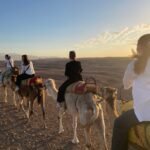
| Camel trekking | Listen to safety instructions before and during the activity |
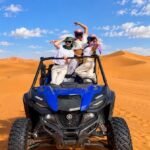
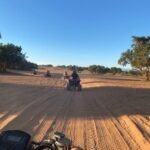
| Quad biking | Use appropriate safety equipment and licensed operators |
| Emergency planning | Know who to contact and ensure your operator has clear arrangements |
If you are visiting remote southern areas, pay attention to official regional guidance.
Canadian advice identifies elevated risks in specific border and Western Sahara areas, including warnings related to terrorism, kidnapping, military presence and unexploded landmines. UK guidance also states that Morocco’s land and sea borders with Algeria are closed and warns travelers not to attempt unauthorized crossings.
A standard tourist journey to established destinations such as Merzouga is different from independently traveling into restricted border regions.
Travelers should understand that distinction.
Is Morocco Safe at Night?
Morocco’s major tourist destinations remain active after sunset.
Marrakech’s Jemaa el-Fna, for example, becomes especially lively during the evening.
However, travelers should use additional caution at night, particularly when walking alone in unfamiliar or quiet areas.
Official UK guidance advises avoiding quiet areas, especially after dark, while Canadian guidance recommends staying on main roads, particularly in medinas.
Morocco Night Safety Tips
| Situation | Recommended Action |
|---|---|
| Busy tourist areas | Stay aware of your belongings |
| Quiet streets | Avoid walking alone when possible |
| Late-night transport | Arrange reliable transportation |
| Bars and restaurants | Keep an eye on personal belongings and drinks |
| Returning to a riad | Know the route or arrange assistance |
| Remote beaches or parks | Avoid isolated locations after dark |
| New destinations | Ask your accommodation for local safety advice |
The same principle applies in Morocco as anywhere else:
The busier, more familiar and better lit your surroundings are, the easier it is to stay aware of what is happening around you.
Common Tourist Scams in Morocco
Most travelers will encounter friendly and honest people throughout their journey.
However, scams and aggressive sales tactics can occur, particularly in heavily visited tourist areas.
Understanding common situations before you arrive can make them much easier to handle.
Common Situations to Watch For
| Situation | What May Happen | Best Response |
|---|---|---|
| Unofficial guide | Someone offers to guide you without clearly explaining the cost | Politely decline or use an authorized guide |
| “This road is closed” | Someone redirects you toward a shop or another location | Verify independently |
| Unrequested help | Someone assists you, then demands payment | Clarify before accepting services |
| Shopping pressure | You are encouraged to buy immediately | Take your time and leave if uncomfortable |
| ATM distractions | Someone attempts to watch or interfere with your transaction | Use secure ATMs and protect your PIN |
| Taxi confusion | Disagreement over a fare | Confirm the arrangement before starting |
| Product substitution | An item may not match what you thought you purchased | Check purchases before leaving |
UK guidance specifically warns about scams, card fraud and bogus tourist guides, while Canadian guidance notes theft and fraud risks, including at ATMs.
Being cautious does not mean becoming suspicious of everyone.
It simply means making decisions calmly and avoiding pressure.
Is Transportation Safe in Morocco?
Transportation safety deserves special attention, particularly for travelers planning a road trip.
Morocco has modern highways, rail services and established tourist routes, but driving conditions can vary considerably between major roads, mountain routes and smaller rural areas.
Official UK guidance notes that road accidents are frequent and warns that poor lighting, weather conditions, mountain roads and secondary routes can increase driving risks.
Transportation Safety Guide
| Type of Transport | Safety Advice |
|---|---|
| Train | Keep valuables secure and remain aware in stations |
| Private vehicle | Use reputable providers and wear seat belts |
| Rental car | Understand local driving conditions before traveling |
| Mountain roads | Allow extra time and avoid unnecessary night driving |
| Taxis | Use established services and confirm arrangements |
| Desert transport | Travel with experienced local drivers |
| Buses | Keep valuables secure and monitor your belongings |
For long journeys through the Atlas Mountains or toward the Sahara, experienced local drivers can be particularly valuable because they understand the roads, distances and changing conditions.
Should You Drive in Morocco?
Independent driving can be rewarding, but it is not the best choice for every traveler.
If you are unfamiliar with local traffic patterns, mountain roads or driving in busy cities, a private driver may offer a more relaxed experience.
Driving Yourself vs Private Driver
| Factor | Rental Car | Private Driver |
|---|---|---|
| Flexibility | High | High |
| You handle navigation | Yes | No |
| Mountain-road experience needed | Yes | Local driver handles route |
| Parking in major cities | Your responsibility | Generally handled by driver/logistics |
| Long-distance fatigue | Higher | Lower for traveler |
| Local route knowledge | Limited unless researched | Stronger with experienced local driver |
| Relaxation | Lower on long routes | Higher |
The right choice depends on your confidence, route and travel style.
For a multi-day journey from Marrakech to the Sahara, many travelers prefer to enjoy the landscapes rather than manage several long days behind the wheel.
Are Morocco’s Beaches Safe?
Morocco has beautiful Atlantic and Mediterranean coastlines, but beach safety depends on local conditions.
Strong currents and unexpected waves can occur, and not every beach has lifeguards or extensive safety signage.
UK guidance specifically advises caution when entering the water and warns against swimming in isolated areas and potentially dangerous open water such as rivers and dams.
Beach Safety Tips
| Tip | Why It Matters |
|---|---|
| Check local conditions | Waves and currents can change |
| Follow warning signs | Conditions may be hazardous |
| Choose supervised areas where possible | Lifeguards provide additional safety support |
| Avoid isolated swimming locations | Help may be less accessible |
| Supervise children closely | Conditions can change quickly |
| Do not underestimate currents | Strong water movement can occur unexpectedly |
Natural Risks in Morocco
Morocco’s landscapes are beautiful but diverse.
Travelers may encounter extreme heat, mountain weather, flash flooding, earthquakes and summer wildfires depending on the region and season.
The UK government notes risks from earthquakes, flooding and wildfires, particularly emphasizing flash flooding in some mountainous or river areas during periods of heavy rain.
Natural Safety Guide
| Risk | Where or When It Can Matter | What Travelers Should Do |
|---|---|---|
| Extreme heat | Summer, inland and southern Morocco | Stay hydrated and plan activities carefully |
| Cold nights | Sahara and mountains | Pack warm layers |
| Mountain weather | High-altitude areas | Check conditions and use suitable guides |
| Flash flooding | Mountains and river areas during heavy rain | Follow local warnings and avoid flooded routes |
| Earthquakes | Morocco is in a seismic region | Follow official and accommodation safety instructions |
| Wildfires | Some regions during summer | Follow local authorities and evacuation instructions |
Good travel planning includes checking conditions shortly before outdoor activities rather than assuming the weather will always match a general seasonal forecast.
Important Laws and Cultural Considerations
Safety also means understanding local laws.
Travelers should never assume that rules from home apply in Morocco.
UK government guidance notes significant legal and cultural differences and specifically warns travelers about areas including illegal drugs, photography near sensitive sites, drone use and public behavior.
Important Things to Remember
| Topic | What Travelers Should Know |
|---|---|
| Illegal drugs | Serious penalties can apply |
| Photography | Avoid sensitive political or military sites and ask before photographing people |
| Drones | Permissions may be required; check the latest rules before bringing one |
| Religion and customs | Respect local traditions and religious practices |
| Public behavior | Local laws and customs may differ from those at home |
| Ramadan | Daily routines, opening hours and social expectations may change |
| Demonstrations | Avoid political gatherings and follow local authorities |
Before departure, check the latest official advice relevant to your nationality and the specific activities you plan to do.
How to Stay Safe During Your Morocco Trip
You do not need an excessively complicated safety plan.
A few sensible habits can significantly reduce avoidable problems.
The Morocco Safety Checklist
| Before You Travel | During Your Trip |
|---|---|
| Check current official travel advice | Stay aware of your surroundings |
| Purchase appropriate travel insurance | Keep valuables secure |
| Research your destinations | Avoid isolated areas after dark |
| Save emergency contact information | Use reputable guides and operators |
| Plan airport transportation | Stay hydrated, especially in hot weather |
| Check passport and entry requirements | Wear seat belts and follow transport safety advice |
| Share your itinerary with someone you trust | Respect local laws and customs |
| Prepare for regional weather differences | Ask for help from trusted accommodation or tour staff |
For UK travelers, current official emergency numbers listed by the FCDO include 150 for ambulance/fire, 190 for police and 177 for the Gendarmerie. Travelers of other nationalities should verify current emergency contact information before departure and save the details of their embassy or consulate.
Is Morocco Safer with a Tour?
A tour cannot remove every travel risk.
However, traveling with a reputable local operator can make a journey easier to manage, particularly when visiting multiple regions.
This is especially useful for:
Long Sahara routes.
Mountain roads.
Remote destinations.
Families with children.
First-time visitors.
Travelers with limited time.
Private itineraries involving several cities.
A good local operator should provide clear arrangements, suitable transportation, experienced staff and realistic travel times.
Independent Travel vs Organized Tour
| Travel Factor | Independent Travel | Organized or Private Tour |
|---|---|---|
| Planning responsibility | You manage everything | Logistics are arranged for you |
| Transportation | You organize each journey | Transportation is coordinated |
| Remote destinations | Requires more preparation | Local expertise can simplify logistics |
| Language barriers | You manage interactions independently | Local support may be available |
| Route planning | You research distances and timing | Itinerary can be professionally structured |
| Flexibility | High | High with a private customized tour |
| First-time visitors | Requires more preparation | Can be easier to navigate |
At Morocco Global Travel, we believe safety and comfort begin with good planning.
A well-organized itinerary considers realistic driving times, suitable accommodation, reliable transportation and the needs of the individual traveler.
Whether you are traveling alone, as a couple, with children or with friends, the goal should never be to rush through Morocco.
It should be to experience it confidently and comfortably.
Frequently Asked Questions About Safety in Morocco
Is Morocco safe for American tourists?
Americans can and do travel to Morocco, but the U.S. Department of State currently advises travelers to exercise increased caution because of terrorism risk. U.S. travelers should check the latest advisory before departure and follow official guidance while traveling.
Is Morocco safe for British tourists?
British tourists can travel to Morocco, but the UK government advises travelers to remain aware of terrorism, crime, scams and local laws and customs. Check the latest FCDO advice before departure.
Is Morocco safe for Canadian tourists?
Canada currently advises travelers to exercise a high degree of caution in Morocco due to the threat of terrorism and identifies additional areas with stronger regional warnings. Canadian travelers should check the latest official advice before departure.
Is Marrakech safe at night?
Busy tourist areas can remain active at night, but travelers should use additional caution in unfamiliar, isolated or poorly lit locations. Avoid quiet streets when possible and arrange reliable transportation if necessary.
Is Morocco safe for solo female travelers?
Women can travel in Morocco, including independently, but official guidance notes that unwanted attention and harassment can occur. Staying aware of your surroundings, avoiding isolated areas after dark and using reputable transportation and tour services are sensible precautions.
Is the Sahara Desert safe?
Established tourist routes and organized desert experiences can be enjoyed safely when travelers follow professional guidance and prepare for the natural environment. Travelers should avoid restricted or high-risk border regions and should not independently enter remote areas without proper preparation.
What is the biggest safety concern for tourists in Morocco?
Practical concerns for many tourists include petty crime, scams, road safety and becoming disoriented in unfamiliar areas. Official travel advisories also warn of terrorism risk.
Should I buy travel insurance for Morocco?
Yes. Appropriate travel insurance is strongly recommended. The UK government advises travelers to ensure their insurance covers their itinerary, planned activities and emergency expenses, while the U.S. State Department also recommends insurance and checking coverage for medical needs, evacuation and cancellation.
Final Thoughts: Should You Be Worried About Traveling to Morocco?
Morocco should be approached with awareness, not unnecessary fear.
Like every international destination, it has risks that travelers should understand. Petty crime can occur. Scams exist. Road safety requires attention. Remote areas require proper planning. Official governments also warn travelers about the risk of terrorism and, in some cases, specific border and regional risks.
But these risks do not define the entire Morocco travel experience.
With sensible precautions, current information and a well-planned itinerary, Morocco offers extraordinary opportunities to experience historic cities, vibrant medinas, mountain landscapes, Atlantic coastlines, traditional culture and the unforgettable Sahara Desert.
The best approach is simple:
Stay informed. Stay aware. Respect local laws and customs. Choose reliable travel providers. And give yourself enough time to enjoy the journey.
At Morocco Global Travel, we help travelers plan private and customized journeys across Morocco with realistic routes, comfortable transportation and local knowledge.
Whether you are planning your first visit to Marrakech, a family adventure through the Atlas Mountains or a multi-day journey to the Sahara Desert, we can help you create an itinerary designed around both experience and peace of mind.