What Is a Moroccan Hammams?
A Moroccan hammams is much more than a place to wash.
For generations, the hammam has been an important part of Moroccan social and cultural life. It is a place where people go to cleanse, relax, prepare for important occasions, and spend time within a familiar community setting.
The traditional experience usually takes place in a series of warm rooms where heat and steam help prepare the body for washing and exfoliation.
For travelers, visiting a hammam can offer an opportunity to experience an aspect of Moroccan life that exists far beyond the country’s famous monuments, souks, and landscapes.
While modern spas may offer hammam-inspired treatments, the traditional neighborhood hammam provides a more authentic glimpse into everyday Moroccan culture.
The History of the Moroccan Hammam
The hammam tradition has deep roots across the Islamic world and developed alongside urban life in Morocco.
Historically, hammams were often located near mosques and within residential neighborhoods, making them easily accessible to local communities.
In cities with historic medinas, the hammam became part of the basic infrastructure of urban life.
Before modern homes commonly had private bathrooms, public bathhouses provided an important place for regular washing.
But hygiene was only one part of their importance.
Hammams also became social spaces where people could meet friends, neighbors, and relatives. Preparing for weddings and other important celebrations could also involve visits to the hammam.
Today, modern bathrooms are common throughout Morocco, but the traditional hammam remains an important cultural institution.
Why Are Hammams Important in Moroccan Culture?
The importance of the hammam comes from the combination of cleanliness, relaxation, community and tradition.
A visit is generally not something that needs to be rushed.
The process can involve soaking, washing, exfoliating, rinsing, and relaxing.
For many Moroccans, the hammam is also connected to weekly routines and major life events.
It can be part of preparing for:
- Weddings
- Religious celebrations
- Family occasions
- Holidays
- Special gatherings
- Regular personal care
The exact customs vary between families, cities, and generations, but the hammam remains an important part of Morocco’s cultural heritage.
What Does a Traditional Moroccan Hammam Look Like?
A traditional neighborhood hammam can look very different from the luxury spa that many international visitors imagine.
The entrance may be relatively modest, especially in an older neighborhood.
Inside, the hammam typically consists of several rooms with different temperatures.
You may move gradually from a cooler area into warmer spaces before beginning the main bathing process.
The design is practical rather than luxurious.
Traditional hammams generally emphasize:
- Warmth
- Steam
- Water
- Stone or tiled surfaces
- Simple seating areas
- Washing facilities
- Communal space
Modern tourist hammams, on the other hand, may combine the traditional ritual with private treatment rooms, elegant interiors, massage services, and additional spa facilities.
Both can be enjoyable, but they offer different experiences.
Traditional Hammam vs. Tourist Hammam
One of the most important decisions for travelers is choosing between a local hammam and a hammam designed specifically for visitors.
| Traditional Neighborhood Hammam | Tourist Hammam or Spa |
|---|---|
| Mainly used by local residents | Designed for visitors and spa clients |
| Simple surroundings | More luxurious environment |
| Usually communal | Often private treatment rooms |
| Local atmosphere | More comfortable for first-time visitors |
| Traditional routine | Structured treatments |
| Less personalized | Staff may explain every step |
| Usually more affordable | Usually more expensive |
If you want to observe everyday Moroccan life, a neighborhood hammam can be fascinating.
If this is your first experience and you are unsure about the process, a reputable tourist hammam or spa may be more comfortable.
What Happens During a Moroccan Hammam Experience?
If you have never experienced a hammam before, the process may seem unfamiliar.
However, the basic idea is simple.
Step 1: Enter the Hammam
You will normally change into whatever level of clothing or covering the establishment requires.
Traditional hammams have separate facilities or schedules for men and women.
Never assume that a hammam is mixed.
Step 2: Move Into the Warm Room
The heat helps your body adjust and prepares the skin for washing.
Traditional hammams may have several rooms with increasing levels of warmth.
Step 3: Apply Moroccan Black Soap
One of the most recognizable products associated with the Moroccan hammam is black soap, known locally as beldi soap.
It is traditionally made using olive-based ingredients and has a soft, paste-like texture.
The soap is applied to the skin and allowed to sit briefly before being rinsed.
Step 4: Exfoliation With a Kessa
After the skin has been softened by heat and water, a kessa exfoliating glove can be used to remove dead skin.
This is often the most surprising part for first-time visitors.
A traditional hammam exfoliation can be considerably more vigorous than a typical Western spa treatment.
If the pressure is uncomfortable, simply ask the attendant to be gentler.
Step 5: Rinse
Warm water is used to rinse away the soap and exfoliated skin.
Step 6: Additional Treatments
Depending on the hammam, the experience may continue with treatments such as:
- Hair washing
- Ghassoul clay
- Argan oil
- Hair treatments
- Body massage
- Moisturizing treatments
Not every hammam offers the same services.
Step 7: Relax
After the bathing ritual, take your time.
The experience is designed to leave you feeling refreshed and relaxed rather than rushed.
Moroccan Black Soap: What Is Beldi Soap?
Beldi soap, commonly called Moroccan black soap, is a traditional cleansing product associated with hammam rituals.
It is usually dark, soft, and paste-like rather than the solid bar of soap familiar to many travelers.
Olive-based ingredients are traditionally used in its preparation.
The soap helps prepare the skin for exfoliation, making it an important part of the traditional hammam sequence.
You will find black soap not only in hammams but also in Moroccan markets and beauty shops.
If you purchase some as a souvenir, check the ingredients and packaging carefully, particularly if you have sensitive skin or allergies.
What Is a Kessa Glove?
The kessa is an exfoliating glove traditionally used during the hammam ritual.
It has a rough texture that helps remove dead skin after the body has been exposed to warm water and steam.
For visitors, the kessa is often one of the most memorable parts of the experience.
It is also widely available in Moroccan markets and beauty stores, making it an easy souvenir to take home.
However, the intensity of exfoliation should always be adjusted to your comfort level.
A hammam attendant may be accustomed to traditional Moroccan expectations, which can involve vigorous scrubbing.
If you prefer a gentler treatment, communicate this before the exfoliation begins.
Moroccan Hammam Etiquette: What Travelers Should Know
The rules can vary between hammams, so always follow the establishment’s instructions.
However, several general principles can help you feel more comfortable.
Respect Gender Separation
Traditional hammams usually have separate facilities or schedules for men and women.
Check the schedule before arriving.
Follow Local Customs
If you are visiting a neighborhood hammam, observe what other guests are doing and ask staff if you are unsure.
Keep Your Voice Reasonably Low
A hammam is a social environment, but it is also a place for relaxation.
Don’t Photograph People
Photography inside communal bathing areas is generally inappropriate.
Respect everyone’s privacy.
Ask Before Using Products
If the hammam provides products, ask what they are and how they should be used.
Communicate About Pressure
If the exfoliation or massage is too strong, say so.
You should never feel that you have to tolerate uncomfortable treatment.
What Should You Bring to a Moroccan Hammam?
If you are visiting a traditional hammam rather than a full-service spa, you may need to bring some basic items.
Consider taking:
- Flip-flops or waterproof sandals
- A towel
- Clean clothes
- A change of underwear
- Shampoo
- Personal toiletries
- A small bag for wet items
- Water for after the experience
Some hammams provide towels, soap, buckets, or other necessities, while others expect visitors to bring their own.
If you are unsure, ask before your visit.
What Should You Wear?
What you wear depends on the type of hammam.
A traditional neighborhood hammam may have its own local customs, while tourist-oriented spas often provide clear instructions about what guests should wear during treatments.
The safest approach is to ask the establishment beforehand.
For a private spa treatment, disposable underwear or appropriate coverings may be provided.
For a traditional hammam, follow the local rules rather than assuming that practices are identical to those in a Western spa.
Is a Moroccan Hammam Suitable for First-Time Visitors?
Yes.
In fact, a hammam can be an excellent cultural experience for someone visiting Morocco for the first time.
The main difference is that the traditional process may be more vigorous and communal than what visitors are accustomed to.
If you prefer comfort and clear instructions, choose a well-reviewed tourist hammam or spa.
If you want to experience something closer to everyday Moroccan life, consider visiting a traditional neighborhood hammam with guidance from a trusted local.
Hammam Experience in Marrakech
Marrakech is one of the easiest places for international travelers to experience a hammam.
The city has everything from traditional neighborhood bathhouses to luxurious spa-style hammams located in riads and hotels.
A luxury hammam in Marrakech may combine traditional techniques with an elegant setting and treatments such as massages, facials, and argan oil applications.
Meanwhile, a local hammam can provide a much more everyday experience.
The right choice depends on what you want from the visit.
For cultural immersion: choose a traditional hammam.
For comfort and privacy: choose a reputable spa hammam.
Hammams in Fes and Other Moroccan Cities
Marrakech is not the only place where you can experience Moroccan hammam culture.
Fes, Meknes, Rabat, Casablanca, Essaouira, and many smaller Moroccan cities have traditional hammams and modern spa establishments.
In historic medinas, hammams can be integrated into traditional neighborhoods and form part of the everyday urban landscape.
This is one reason a hammam visit can complement a cultural itinerary.
After exploring the architecture, souks, mosques, artisan workshops, and narrow streets of a medina, a hammam provides an opportunity to slow down.
Hammam Rituals Before Moroccan Weddings
The hammam has a particularly important place in Moroccan wedding traditions.
Before a wedding, the bride may visit the hammam with female relatives and friends.
The occasion can be about much more than bathing.
It can become a social gathering involving conversation, preparation, beauty rituals, and celebration.
Traditional wedding customs differ considerably from one Moroccan region and family to another, so there is no single “Moroccan wedding hammam ritual.”
Nevertheless, the association between hammam visits and important celebrations demonstrates how deeply bathing traditions are connected with Moroccan social life.
Moroccan Hammam and Beauty Traditions
The hammam is also connected to a broader Moroccan tradition of natural beauty and body care.
Products commonly associated with Moroccan beauty rituals include:
- Beldi black soap
- Kessa gloves
- Ghassoul clay
- Argan oil
- Rose water
- Orange blossom water
- Natural herbal preparations
These products are widely available in Morocco and have become popular internationally.
However, travelers should distinguish between traditional products and modern commercial products marketed using Moroccan-inspired branding.
When buying beauty products, check ingredients, origin, packaging, and the reputation of the seller.
How Much Does a Moroccan Hammam Cost?
The price varies considerably depending on the type of experience.
A traditional neighborhood hammam is generally much less expensive than a luxury spa.
A tourist hammam may charge more because the service can include:
- Private treatment rooms
- Towels and robes
- Black soap
- Exfoliation
- Massage
- Argan oil treatment
- Tea
- Relaxation areas
- Professional therapists
Because prices vary by city and establishment, it is best to confirm the full treatment price before beginning.
If you are booking through a hotel or travel company, ask exactly what is included.
How Long Does a Hammam Experience Take?
A simple traditional hammam visit may be relatively short, while a complete spa experience can take considerably longer.
A tourist hammam package may include a sequence of bathing, exfoliation, massage, and relaxation.
If you are planning a busy sightseeing day, allow enough time to enjoy the experience without rushing.
The hammam is supposed to be relaxing.
There is little benefit in scheduling it between two activities with only a few minutes to spare.
Should You Try a Traditional Hammam or Luxury Hammam?
There is no single correct answer.
Choose a traditional hammam if you want:
- Authentic everyday culture
- A local experience
- A simple environment
- A glimpse into Moroccan social traditions
- A more traditional bathing ritual
Choose a luxury hammam if you prefer:
- Privacy
- Comfortable surroundings
- Professional spa treatments
- Clear instructions
- A relaxing atmosphere designed for international visitors
- Additional beauty treatments
For a first visit, a reputable spa hammam can be an easy introduction.
For repeat visitors, a traditional hammam can provide a deeper cultural experience.
Tips for a Better Moroccan Hammam Experience
Go With an Open Mind
The traditional hammam may not look or feel like a Western spa.
The experience is based on a different cultural tradition.
Tell the Attendant It Is Your First Visit
If you are unfamiliar with the process, say so.
Staff can explain what happens next.
Ask for Gentle Exfoliation
If you have sensitive skin or simply prefer a softer treatment, communicate this clearly.
Avoid Going When You Are Exhausted
The heat can be intense.
Choose a time when you can relax afterward.
Drink Water
Hydration is important, particularly after spending time in a hot environment.
Don’t Compare It Too Quickly With a Spa
A traditional hammam has a different purpose and cultural context.
Try to experience it on its own terms.
The Hammam as a Window Into Everyday Morocco
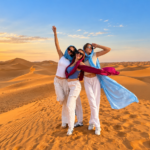
Travelers often experience Morocco through spectacular sights: the Sahara Desert, the Atlas Mountains, colorful souks, ancient medinas, and historic palaces.
But cultural experiences such as the hammam offer another perspective.
They reveal how ordinary routines can carry centuries of tradition.
The hammam connects cleanliness with social life, architecture with daily routines, and personal care with community.
That is what makes the experience particularly interesting for travelers who want to understand Morocco beyond sightseeing.
Experiencing Moroccan Culture With Morocco Global Travel
A Morocco trip becomes more meaningful when it includes experiences that connect travelers with everyday Moroccan traditions.
At Morocco Global Travel, cultural experiences can be incorporated into private and customized Morocco itineraries according to your interests, comfort level, and travel style.
A hammam experience can be combined with time in Marrakech’s medina, traditional Moroccan cuisine, riad accommodation, souk visits, artisan workshops, or other cultural activities.
The goal is not simply to check another activity off your itinerary.
It is to create opportunities to experience Morocco at a more personal level.
Frequently Asked Questions About Moroccan Hammams
What is a Moroccan hammam?
A Moroccan hammam is a traditional bathhouse where people cleanse, exfoliate, relax, and socialize. It is an important part of Moroccan cultural and social life.
Is a hammam the same as a spa?
Not exactly. A traditional hammam is a cultural bathing ritual, while modern hammam spas often adapt the tradition into a more private and luxurious treatment.
Is a Moroccan hammam suitable for tourists?
Yes. Many hammams welcome international visitors, particularly tourist-oriented establishments. First-time visitors may prefer a spa hammam where the process is explained.
Do men and women use the same hammam?
Traditional hammams generally have separate facilities or different schedules for men and women.
What is Moroccan black soap?
Moroccan black soap, or beldi soap, is a traditional olive-based cleansing paste used during hammam rituals.
What is a kessa?
A kessa is a textured exfoliating glove traditionally used to remove dead skin during a Moroccan hammam.
Should I tip at a Moroccan hammam?
Tipping practices vary depending on the establishment and service. If a staff member provides a personal treatment, you can ask whether tipping is customary.
Can I visit a hammam during a short trip to Morocco?
Absolutely. A hammam experience can usually be incorporated into a Marrakech, Fes, Casablanca, or other city itinerary without requiring an entire day.
What should I bring to a hammam?
Depending on the establishment, you may want to bring flip-flops, a towel, toiletries, clean clothes, and a bag for wet items.
Is the traditional hammam experience private?
Traditional neighborhood hammams are generally communal, with separate spaces or schedules for men and women. Tourist hammams and spas often offer private treatment rooms.
Final Thoughts: Experience a Different Side of Morocco
A Moroccan hammam is one of those experiences that can teach you something about a country without looking like a traditional tourist attraction.
There may be no famous monument to photograph and no spectacular viewpoint.
Instead, there is warmth, water, conversation, cleansing, traditional products, and a ritual that has remained part of Moroccan life for generations.
Whether you choose a simple neighborhood hammam or a luxurious spa, take the opportunity to slow down and appreciate the experience.
Because sometimes the best way to understand a culture is not simply to look at its history.
It is to experience how its traditions continue to shape everyday life.