Morocco Travel Guide planning starts with one simple question: where should you begin?
Morocco is not the kind of destination that fits neatly into one experience. Within a single trip, you can walk through the centuries-old medina of Marrakech, drink mint tea with a local family, cross the High Atlas Mountains, explore ancient kasbahs, spend a night beneath the stars in the Sahara and finish your journey beside the Atlantic Ocean.
That variety is exactly what makes Morocco so rewarding—and also why planning your first trip can feel overwhelming.
Should you start in Marrakech or Casablanca? How many days do you need? Is the Sahara really worth the long journey? When is the best time to visit? What should you wear? How much money should you bring? And should you travel independently or with a local tour company?
This Morocco Travel Guide 2027 brings those questions together in one place.
Whether you are planning your first visit, returning with your family, organizing a honeymoon, looking for a private Morocco tour or dreaming of a Sahara Desert adventure, this guide will help you understand how to plan your journey and make the most of your time.
Why Visit Morocco in 2027?
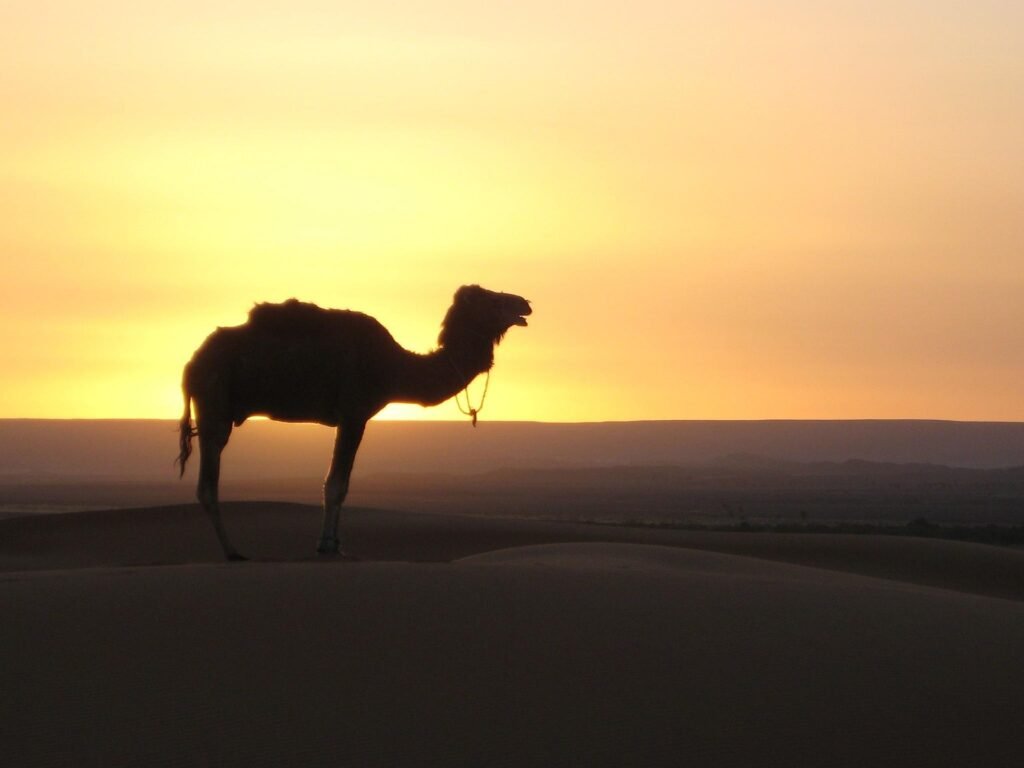
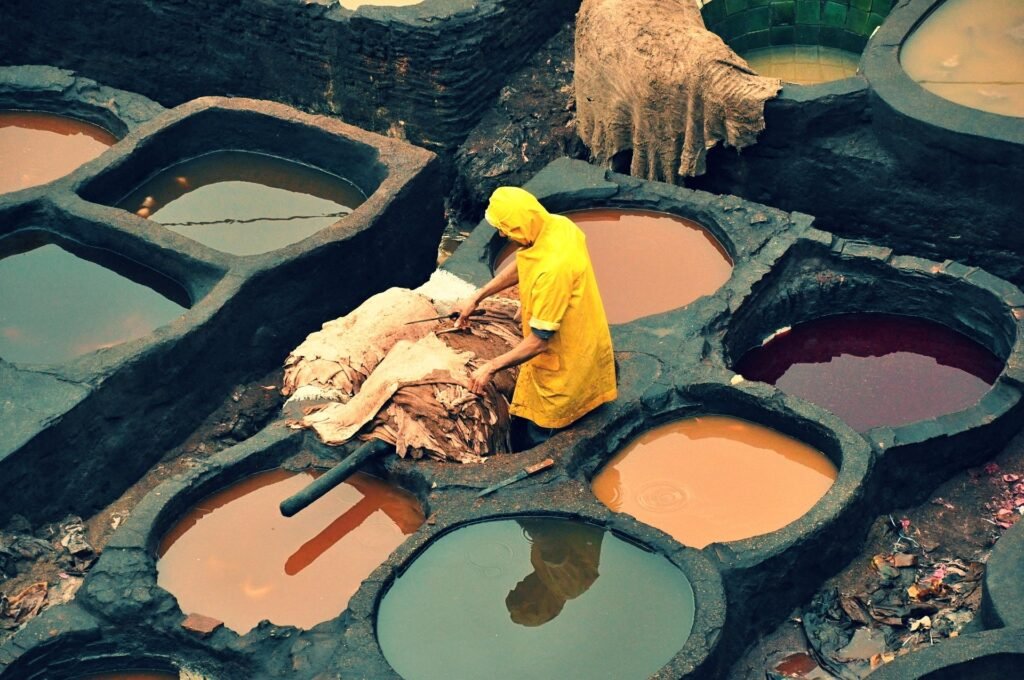
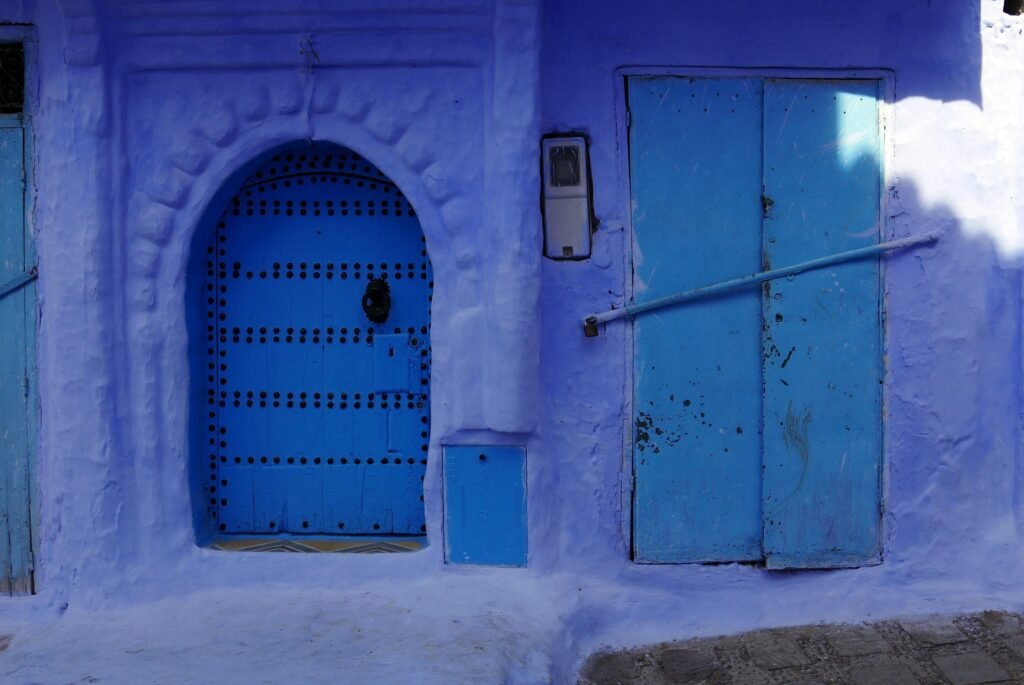
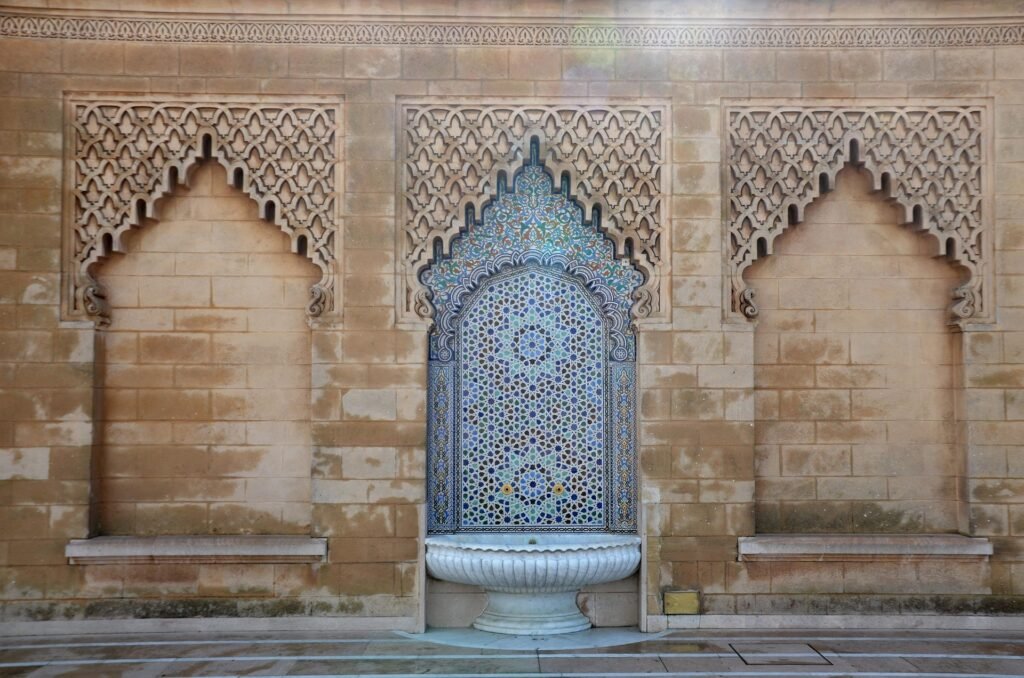
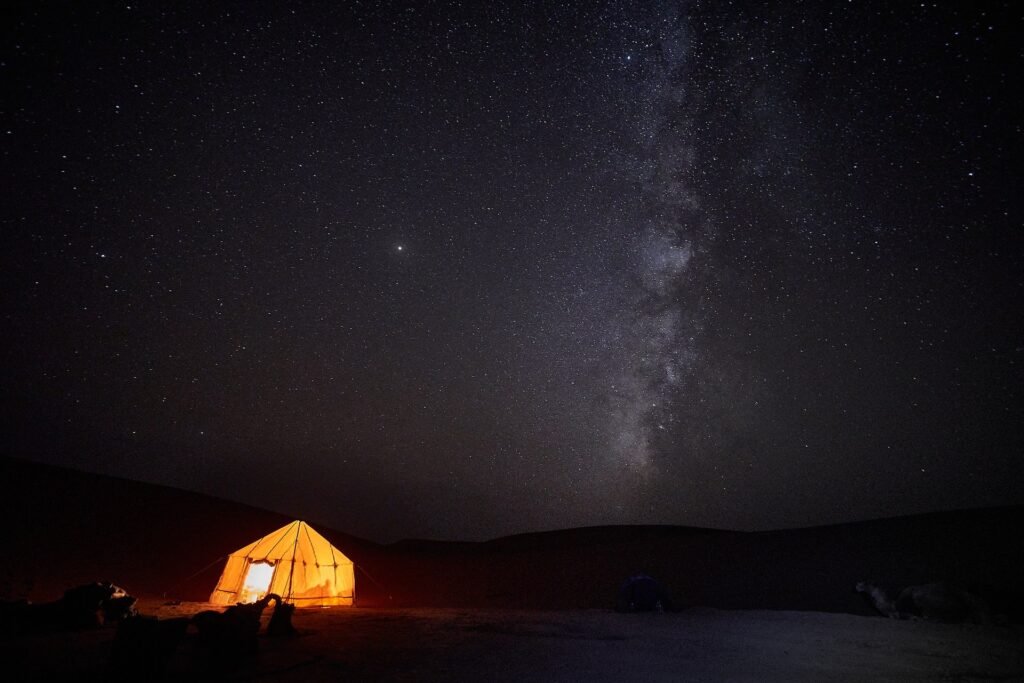
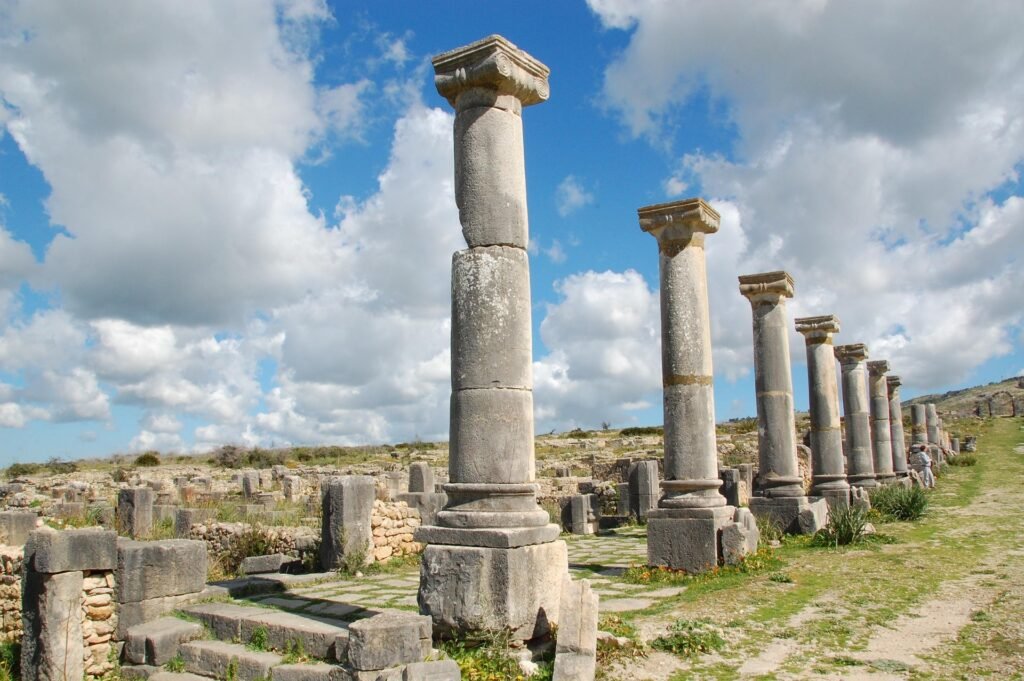
Morocco continues to attract travelers because very few destinations combine ancient cities, mountains, desert landscapes, beaches and living traditions within such a manageable journey.
The country’s official tourism office highlights four imperial cities—Rabat, Fez, Meknes and Marrakech—alongside destinations such as Chefchaouen, Essaouira, Merzouga and the Atlas Mountains.
But the appeal goes beyond sightseeing.
Morocco is a destination where the journey between places can be part of the experience. A road trip from Marrakech toward the Sahara can take you through mountain passes, Amazigh villages, valleys, palm oases and historic kasbahs before you eventually reach the dunes.
For travelers who want more than a conventional city vacation, that combination is one of Morocco’s greatest strengths.
| What you want from your trip | Where to consider |
|---|---|
| Historic cities | Marrakech, Fez, Meknes, Rabat |
| Desert adventure | Merzouga, Zagora, Agafay |
| Mountains and hiking | High Atlas, Imlil, Ourika |
| Blue-painted streets | Chefchaouen |
| Atlantic coast | Essaouira, Agadir |
| Ancient kasbahs | Aït Ben Haddou, Ouarzazate |
| Moroccan food and culture | Marrakech, Fez and smaller towns |
| Relaxed beach experience | Essaouira, Agadir, Taghazout |
Where Should You Go in Morocco?
The best Morocco itinerary depends on what you want to experience.
A first-time visitor who has seven days should not try to see the entire country. A better approach is to choose a logical route and give yourself enough time to actually experience each destination.
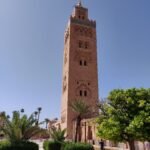
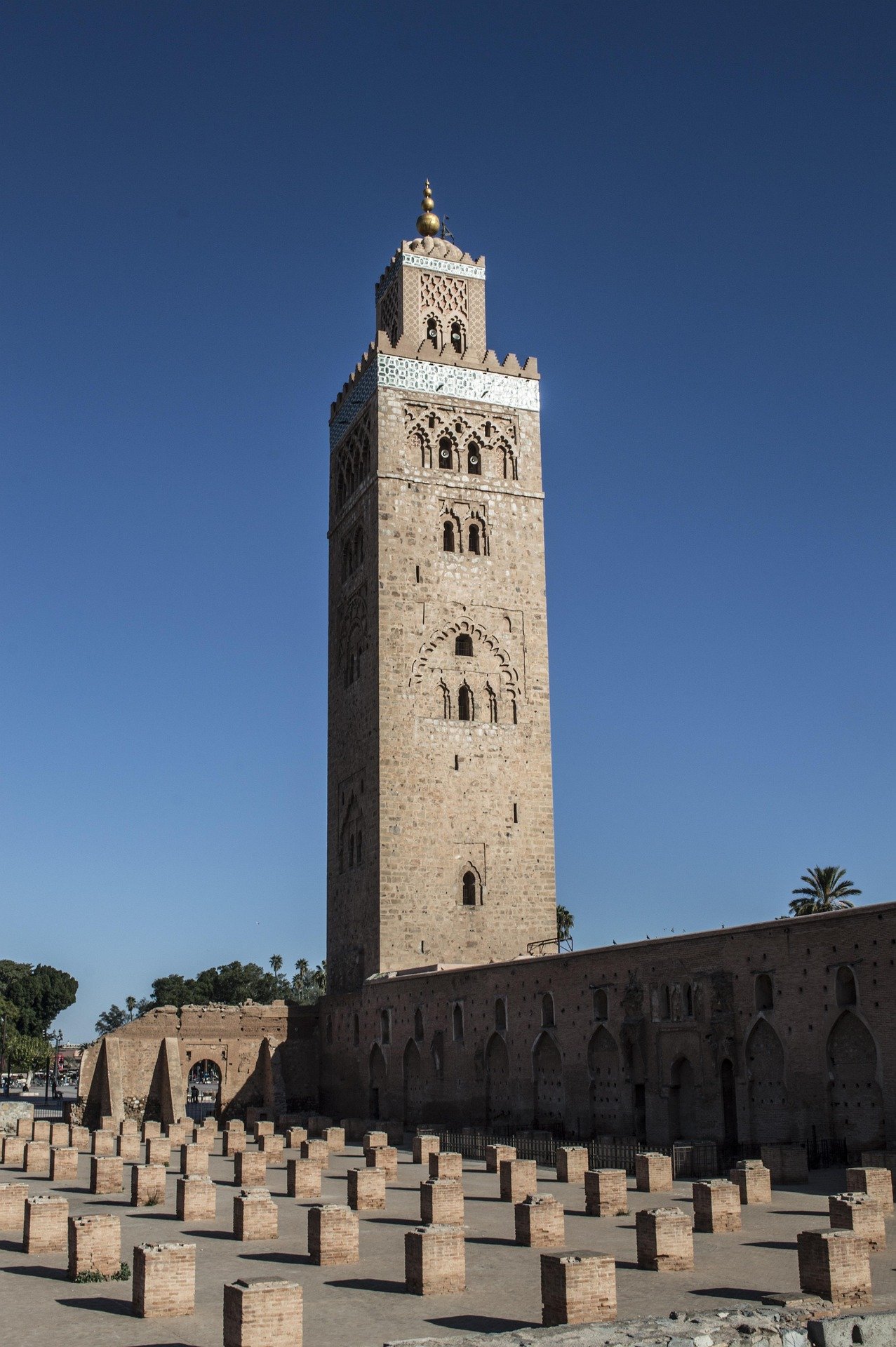
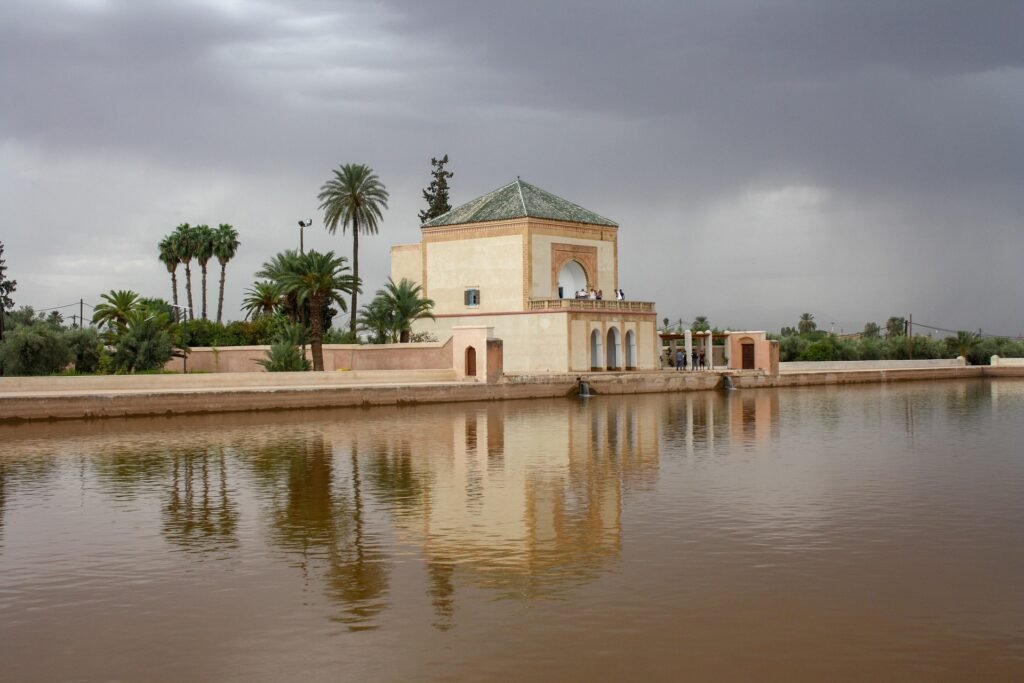
Marrakech is often an excellent starting point because it combines historic architecture, souks, restaurants, riads and easy access to the Atlas Mountains and Agafay Desert.
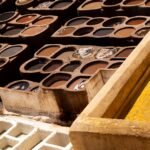
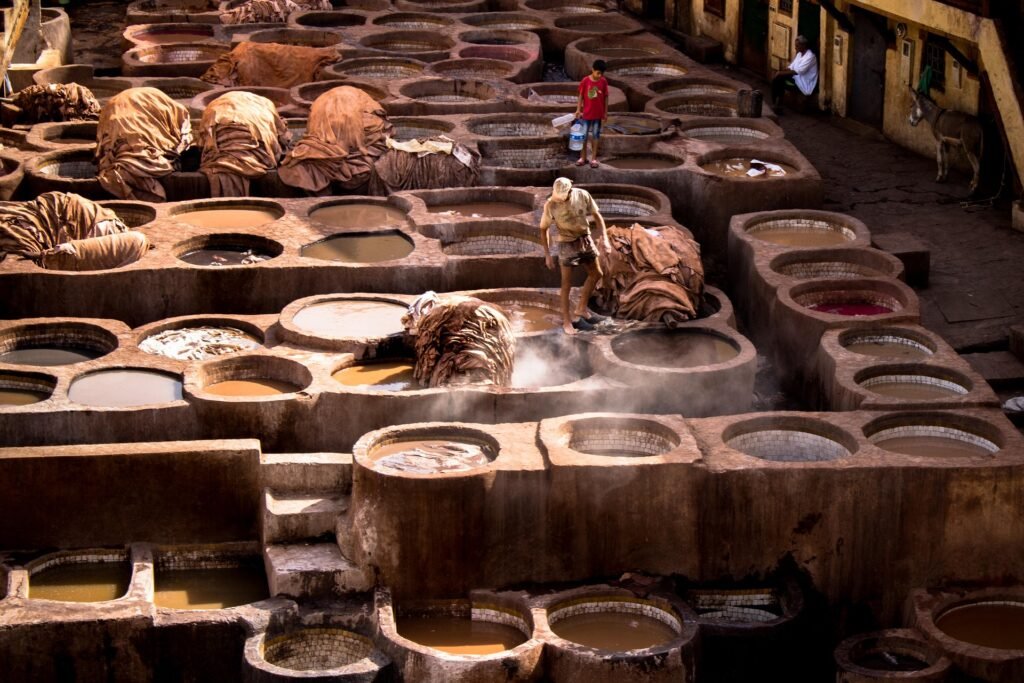
Fez offers a different atmosphere. Its historic medina is one of the country’s most fascinating places for travelers interested in traditional crafts, architecture and history.
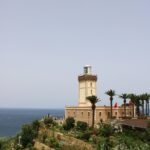
Chefchaouen is famous for its blue streets and mountain setting, while Essaouira provides a completely different rhythm with its Atlantic coastline, seafood, medina and relaxed atmosphere.
And then there is the Sahara.
For many travelers, reaching the dunes around Merzouga becomes the defining moment of their Morocco journey.
| Destination | Best for | Recommended time |
|---|---|---|
| Marrakech | First-time visitors, culture, food and nightlife | 2–3 days |
| Fez | History, architecture and traditional crafts | 1–2 days |
| Chefchaouen | Photography, walking and relaxed exploration | 1–2 days |
| Merzouga | Sahara dunes, camel trekking and desert camps | 1–2 nights |
| Essaouira | Coast, seafood and relaxed travel | 1–2 days |
| Ouarzazate | Kasbahs and cinematic landscapes | 1 day |
| Atlas Mountains | Hiking, villages and nature | 1–2 days |
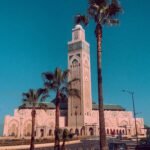
| Casablanca | Architecture, arrival/departure and city experience | 1 day |
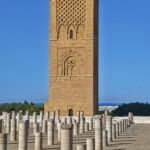
| Rabat | History, museums and Morocco’s capital | 1 day |
How Many Days Do You Need in Morocco?
There is no single perfect length for a Morocco trip.
If you only have four or five days, it is better to concentrate on one region than spend most of your vacation sitting in a vehicle.
With seven days, you can create a compact itinerary combining Marrakech with the Atlas Mountains, Aït Ben Haddou and either the Agafay Desert or a faster Sahara experience.
With ten days, the journey becomes more comfortable and you can combine Marrakech, the High Atlas, Aït Ben Haddou, the Dades Valley, Todra Gorge and Merzouga.
Two weeks gives you considerably more flexibility. You can include Marrakech, the Sahara, Fez, Chefchaouen, Rabat or Essaouira without making every day feel like a transfer.
| Trip length | A good approach |
|---|---|
| 3–4 days | Marrakech + one nearby experience |
| 5–7 days | Marrakech + Atlas + southern Morocco |
| 8–10 days | Marrakech + Sahara + major cultural destinations |
| 11–14 days | Imperial cities + Sahara + mountains + coast |
| 15+ days | A slower, more comprehensive Morocco journey |
One of the most common planning mistakes is trying to visit too many destinations simply because they look close together on a map.
Morocco is larger than it appears, and mountain roads and desert routes can take considerably longer than travelers expect.
A well-designed itinerary is therefore not simply a list of destinations. It is a balance between distance, experience and time.
When Is the Best Time to Visit Morocco?
Morocco can be visited throughout the year, but different seasons suit different types of travelers.
Spring and autumn are generally attractive periods for travelers who want to combine cities, mountains and desert activities. Summer can be very hot inland, particularly in Marrakech and the desert, while coastal destinations can provide a more comfortable escape.
The official Moroccan tourism office describes Morocco as a country of contrasting climates, from Atlantic and Mediterranean coastal areas to mountainous regions and the Sahara.
| Season | What to expect | Best for |
|---|---|---|
| Spring | Mild conditions in many regions | Desert, cities, hiking |
| Summer | Hot inland, more comfortable on the coast | Coast, early-morning activities |
| Autumn | Pleasant temperatures in many destinations | Desert and cultural tours |
| Winter | Cooler nights and mountain snow | Cities, culture, desert with proper clothing |
If the Sahara is one of your priorities, do not judge the entire country by the weather in Marrakech. Desert temperatures can vary considerably between daytime and nighttime.
For this reason, packing layers is often more useful than simply packing for “hot weather.”
What Are the Best Morocco Itineraries?
Your itinerary should reflect the type of traveler you are.
A couple looking for romance may prefer Marrakech, the Sahara and Essaouira.
A family may want fewer hotel changes and more time in each destination.
Adventure travelers might prioritize the Atlas Mountains, desert activities and hiking.
Travelers interested in history may prefer Marrakech, Aït Ben Haddou, Fez, Meknes and Rabat.
Example 7-Day Morocco Itinerary
| Day | Destination | Experience |
|---|---|---|
| 1 | Marrakech | Medina, Jemaa el-Fna and souks |
| 2 | Marrakech | Palaces, gardens and local food |
| 3 | Marrakech → Aït Ben Haddou | High Atlas and kasbahs |
| 4 | Aït Ben Haddou → Dades | Valley and mountain landscapes |
| 5 | Dades → Merzouga | Todra Gorge and Sahara |
| 6 | Merzouga | Camel trek and desert camp |
| 7 | Merzouga → Marrakech | Return journey or onward travel |
Example 10-Day Morocco Itinerary
| Days | Route |
|---|---|
| 1–2 | Marrakech |
| 3 | Marrakech → Aït Ben Haddou |
| 4 | Aït Ben Haddou → Dades Valley |
| 5 | Dades → Todra Gorge → Merzouga |
| 6 | Sahara Desert |
| 7 | Merzouga → Midelt |
| 8 | Midelt → Fez |
| 9 | Fez |
| 10 | Fez → Casablanca or onward departure |
For travelers with more time, the route can be expanded toward Chefchaouen, Rabat or Essaouira.
How Do You Get Around Morocco?
Morocco offers several ways to travel between destinations.
The national tourism office lists trains, high-speed rail, buses, taxis, domestic flights and rental cars among the main transportation options.
The Al Boraq high-speed train connects Tangier, Kenitra, Rabat and Casablanca, while conventional rail serves a wider network.
For travelers moving between major cities, trains can be extremely convenient.
For mountain villages, kasbahs and desert destinations, however, a private vehicle with a knowledgeable driver can make much more sense.
| Transportation | Best suited to |
|---|---|
| High-speed train | Tangier–Rabat–Casablanca |
| Train | Major cities connected to the rail network |
| Bus | Budget-conscious long-distance travel |
| Domestic flight | Long distances when time is limited |
| Rental car | Independent travelers comfortable driving |
| Private vehicle with driver | Multi-city tours, families and custom itineraries |
| Local taxi | Getting around cities |
The biggest advantage of private transportation is not simply comfort.
It gives you flexibility.
You can stop at viewpoints, villages, cooperatives, restaurants and lesser-known locations instead of following a fixed transport timetable.
For a multi-day Morocco tour, this can transform the journey itself into part of the experience.
Is Morocco Expensive to Visit?
Morocco can accommodate very different travel budgets.
You can stay in a simple guesthouse, eat inexpensive local food and use public transportation, or choose luxury riads, private transportation and high-end desert camps.
The official tourism office identifies the Moroccan dirham, abbreviated MAD or DH, as the country’s currency. Cash remains useful, although international cards are accepted in many hotels, restaurants and shops.
| Travel style | Typical approach |
|---|---|
| Budget | Guesthouses, local restaurants and public transport |
| Mid-range | Comfortable riads, restaurants and selected private transfers |
| Premium | High-quality riads/hotels, private vehicle and curated experiences |
| Luxury | Luxury accommodations, private touring and exclusive experiences |
Rather than asking only, “How much does Morocco cost?”, it is more useful to decide what type of trip you want.
A desert journey, for example, can range from a simple shared experience to a highly personalized private itinerary with premium accommodation.
What Currency Is Used in Morocco?
The official currency is the Moroccan dirham (MAD).
ATMs are widely available in Moroccan cities, and credit cards are accepted in many hotels, restaurants and other establishments. However, travelers should still carry some cash for smaller shops, markets, taxis and locations where card payment is unavailable.
It is generally sensible to keep smaller denominations available rather than carrying only large notes.
Currency exchange is available at airports, hotels, banks and exchange offices.
What Should You Eat in Morocco?
Food is one of the most memorable parts of traveling through Morocco.
A traditional Moroccan meal can be much more than a restaurant stop. Food is closely connected to hospitality, family and social life.
During your trip, look for opportunities to try:
| Moroccan food | What it is |
|---|---|
| Tagine | Slow-cooked meat, vegetables or other ingredients prepared in a traditional vessel |
| Couscous | Steamed semolina traditionally served with vegetables and meat |
| Pastilla | Layered pastry traditionally combining sweet and savory flavors |
| Harira | Traditional soup often associated with Ramadan |
| Tanjia | Marrakech specialty traditionally slow-cooked in a sealed vessel |
| Moroccan mint tea | Sweet green tea traditionally served with fresh mint |
| Msemen | Layered Moroccan flatbread |
| Chebakia | Sweet sesame pastry |
Do not limit your food experience to tourist restaurants.
Some of the best memories can come from a simple breakfast, a local market or a family-style meal prepared during a cultural experience.
What Should You Wear in Morocco?
Morocco is a diverse country, and dress expectations vary between cities, rural communities, tourist resorts and religious sites.
For most travelers, comfortable and respectful clothing is the safest approach.
Lightweight clothing works well in warm weather, while shoulders and knees may be better covered when visiting more traditional areas or religious sites.
For desert and mountain trips, practical clothing is more important than fashion alone.
Bring layers because temperatures can change significantly between day and night, especially in the Sahara and mountainous regions.
Comfortable walking shoes are also essential if you plan to explore medinas or hike in the Atlas Mountains.
Is Morocco Safe for Tourists?
Morocco is visited by travelers from around the world every year, and many tourists travel throughout the country without serious problems.
The U.S. Department of State currently advises travelers to exercise increased caution in Morocco, while also providing specific guidance on security, local laws, health and transportation.
As with any international destination, sensible precautions matter.
Keep an eye on your belongings in crowded areas, be cautious with unofficial guides, follow local regulations and use reputable transportation and accommodation providers.
When traveling in remote areas such as the mountains or Sahara, professional local logistics can also provide an important practical advantage.
Safety is not about being afraid of Morocco.
It is about traveling intelligently.
What Are Moroccan Riads?
One of the most distinctive accommodation experiences in Morocco is the riad.
A traditional riad is typically built around an interior courtyard, creating a peaceful atmosphere hidden behind the walls of the surrounding medina.
Staying in a riad can make your accommodation part of the cultural experience rather than simply a place to sleep.
For first-time visitors to Marrakech or Fez, a good riad can provide an entirely different perspective on Moroccan architecture and hospitality.
For desert journeys, accommodation changes again.
Instead of a city riad, you may spend the night in a desert camp, where the experience revolves around the landscape, sunset, dinner and the extraordinary silence of the Sahara.
Should You Visit the Sahara Desert?
For many visitors, the answer is yes.
But the Sahara should not be treated as a quick attraction that can simply be added to a Marrakech day trip.
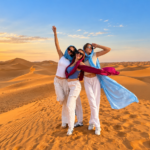
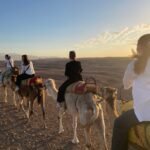
The real Sahara experience involves the journey south, the changing landscapes, the arrival among the dunes, sunset, camel trekking or another desert activity, an evening at camp and the sunrise the following morning.
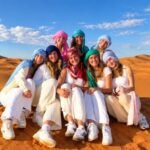
Merzouga and the Erg Chebbi dunes are among the most popular desert destinations for travelers seeking large sand dunes.
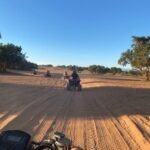
Agafay, much closer to Marrakech, offers a completely different experience. It is a rocky desert landscape rather than the towering sand dunes associated with Merzouga.
Zagora provides another southern option and can work well for travelers with less time, although the landscape and experience differ from Merzouga.
| Desert | Approximate access from Marrakech | Best for |
|---|---|---|
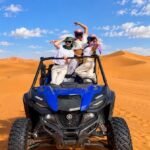
| Agafay | Short drive | Sunset, dinner, camel/quad experiences |
| Zagora | Longer journey | Shorter southern desert itinerary |
| Merzouga | Long journey | Large dunes and classic Sahara experience |
The most important thing is to choose the desert experience that fits your available time.
A rushed Sahara journey can leave you spending too much of your vacation on the road.
A properly planned multi-day desert tour allows the route itself to become part of the adventure.
What Is Moroccan Culture Like?
Morocco’s culture has developed through centuries of Amazigh, Arab, African, Andalusian, Jewish and Mediterranean influences.
You will see those influences in architecture, language, food, music, crafts and everyday life.
The medinas are particularly important cultural spaces. The Moroccan National Tourist Office describes medinas as historic old towns characterized by narrow interconnected streets, traditional crafts, architecture and local traditions.
Hospitality is another important part of Moroccan life.
You may be offered mint tea during a conversation, invited to share food or welcomed into a shop with considerably more warmth than you expected.
The best way to experience Morocco is therefore not simply to photograph it.
Slow down.
Talk to people.
Try the food.
Learn a few words of Moroccan Arabic.
Visit a local market.
Spend time outside the main tourist attractions.
That is where Morocco often becomes most memorable.
What Languages Are Spoken in Morocco?
Arabic and Amazigh are Morocco’s official languages.
French is also widely used, particularly in business, tourism and administration, while English is increasingly common in tourist areas.
Learning a few simple expressions can still make your interactions more enjoyable.
| English | Moroccan Arabic |
|---|---|
| Hello | Salam |
| Thank you | Shukran |
| Please | Afak |
| Yes | Naam |
| No | La |
| How are you? | Labas? |
| Goodbye | Bslama |
You do not need to become fluent.
Even a few words can open doors and create friendly interactions.
Should You Travel Independently or Book a Morocco Tour?
Both approaches can work.
Independent travel gives you flexibility and can be especially rewarding for experienced travelers who enjoy organizing their own transportation and accommodation.
A private or organized tour can make more sense when you want to combine several destinations, travel through remote areas, visit the Sahara or simply avoid spending hours coordinating logistics.
The choice becomes particularly important for longer routes.
For example, a journey from Marrakech through the High Atlas, Aït Ben Haddou, Dades, Todra Gorge and Merzouga involves significant driving and requires thoughtful coordination.
A local tour company can handle the route, accommodation, transportation and timing while allowing you to focus on the experience.
At Morocco Global Travel, we design Morocco journeys around the traveler rather than treating every trip as identical.
That can mean adjusting the pace for families, creating a more romantic experience for couples, arranging private transportation, adding hiking or cultural activities, or building a longer Sahara itinerary around your interests.
Why Travel Morocco with Morocco Global Travel?
Choosing a local travel company is not only about booking transportation.
It is about having someone who understands the country beyond the standard tourist route.
A well-designed Morocco journey should balance the places you want to see with enough time to actually enjoy them.
It should also account for the realities of Moroccan roads, seasonal conditions, accommodation locations and the distances between destinations.
Whether you are planning a private Morocco tour, family vacation, honeymoon, Sahara Desert adventure or customized itinerary, Morocco Global Travel can help turn your ideas into a practical journey.
Our goal is simple: you should spend your vacation experiencing Morocco, not worrying about how to organize it.
Frequently Asked Questions About Traveling to Morocco
Do I need a visa to visit Morocco?
Visa requirements depend on your nationality. Morocco’s official tourism office advises travelers to check the applicable entry formalities and notes that the maximum standard tourist stay is 90 days.
U.S. travelers should also check the latest U.S. government travel information before departure. The current U.S. guidance states that U.S. visitors do not need a tourist visa for stays of 90 days or less and provides passport requirements.
What passport validity do I need?
Requirements can vary according to nationality and circumstances. Travelers should check the latest requirements applicable to their passport before departure. The Moroccan tourism office recommends traveling with a valid passport, while the U.S. State Department currently gives additional validity guidance for U.S. citizens.
Is Morocco good for a first international trip?
Yes. Morocco offers a strong combination of established tourism infrastructure, varied destinations, cultural experiences and organized travel options.
For a first visit, a well-planned itinerary can make the experience considerably easier.
Is Morocco suitable for families?
Yes. Morocco can work extremely well for families when the itinerary is paced appropriately.
Camel experiences, cooking classes, cultural visits, beaches, gardens and shorter mountain walks can all be adapted to different ages.
Is the Sahara worth the long drive?
For many travelers, absolutely.
However, the Sahara is best experienced as part of a properly planned multi-day itinerary rather than squeezed into an unnecessarily short schedule.
How long should I spend in Marrakech?
Two or three full days gives many first-time visitors enough time to explore the medina, souks, major landmarks, gardens, restaurants and surrounding experiences.
If Marrakech is the centerpiece of your vacation, you can easily spend longer.
Can I combine Marrakech and the Sahara?
Yes. In fact, a Marrakech-to-Sahara route is one of the most popular ways to experience southern Morocco.
The ideal number of days depends on whether you want to reach Merzouga or choose a closer desert experience such as Agafay.
What is the best month to visit Morocco?
There is no single best month for everyone.
Spring and autumn are particularly attractive for many travelers because they can provide comfortable conditions across several regions, while summer may be better suited to coastal destinations and winter can be excellent for city-focused trips and certain desert journeys.
Is Morocco expensive?
Morocco can be affordable or luxurious depending on your choices.
Accommodation, transportation, restaurants and activities are available across a wide range of budgets.
What should I pack for Morocco?
Bring comfortable walking shoes, lightweight clothing, layers, sun protection and any personal essentials you normally require.
If you are visiting the mountains or Sahara, add warmer layers for evenings and early mornings.
Final Thoughts: Planning Your Morocco Trip in 2027
Morocco is best experienced as more than a checklist of famous places.
The Marrakech medina matters, but so does the quiet courtyard of a riad.
The Sahara dunes are spectacular, but so is the road that takes you there.
Aït Ben Haddou is remarkable, but the mountain landscapes surrounding it are part of the story.
And some of your favorite memories may come from experiences that were never on your original itinerary.
The key to a successful Morocco trip is therefore not trying to see everything.
It is choosing the right places, allowing enough time between them and building an itinerary around the kind of experience you actually want.
Whether your dream is a few days in Marrakech, a family adventure, a romantic Sahara journey, a luxury private tour or a two-week discovery of Morocco, thoughtful planning can make the difference between simply visiting Morocco and truly experiencing it.
Ready to start planning your Morocco adventure?
Explore Morocco Global Travel’s private and customized tours, or contact us to create an itinerary around your dates, interests and travel style.