The Story Behind Moroccan Riads :
Moroccan riads are far more than charming guesthouses; they are living monuments to centuries of architectural innovation, cultural values, and refined craftsmanship. To truly appreciate their beauty, it’s essential to understand where they came from, how they evolved, and why they remain one of Morocco’s most iconic forms of accommodation today.
The Historical Origins of Riads
The origins of riads date back to the medieval Islamic period, flourishing in Morocco around the 12th century during the Almoravid and Almohad dynasties. Cities such as Marrakech and Fes became major cultural and commercial centers, attracting scholars, merchants, and artisans from across North Africa and Al-Andalus.
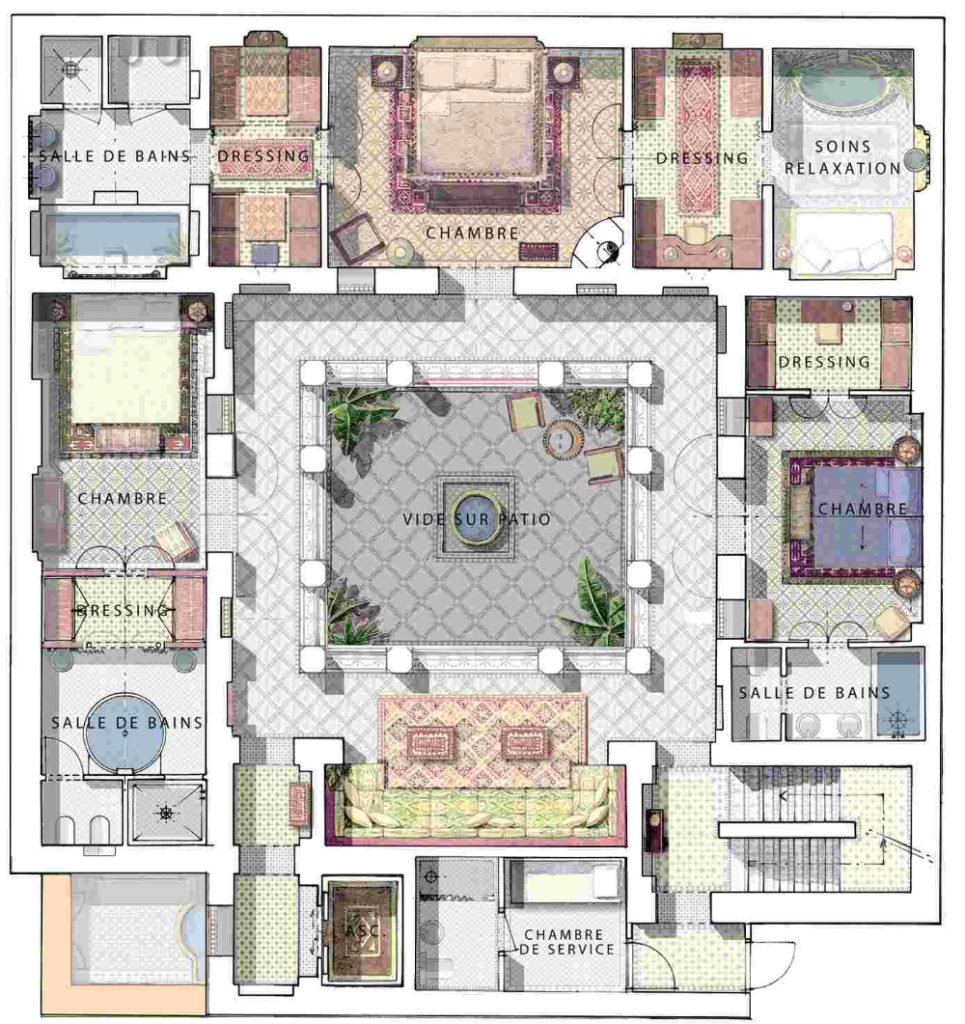
The architectural concept of the riad was influenced by ancient Roman courtyard houses and later refined by Andalusian Islamic design. The inward-facing layout symbolized privacy, modesty, and family unity — core values deeply rooted in Moroccan society. Wealthy merchants and notable families constructed these homes inside the medina, hiding intricate beauty behind simple exterior walls.
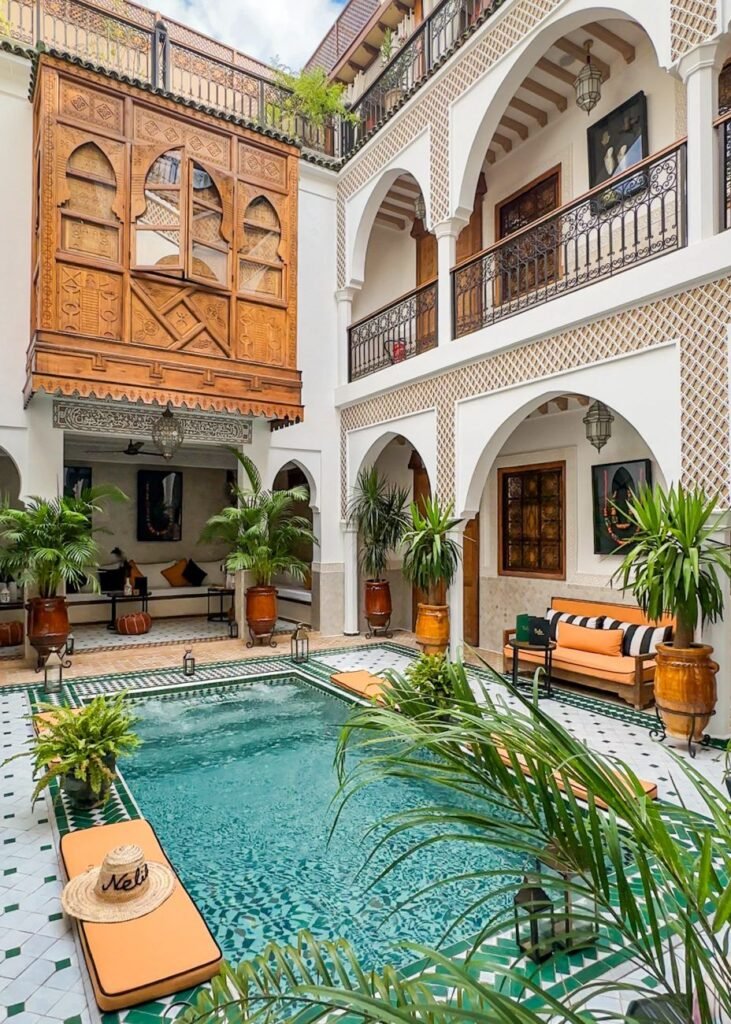
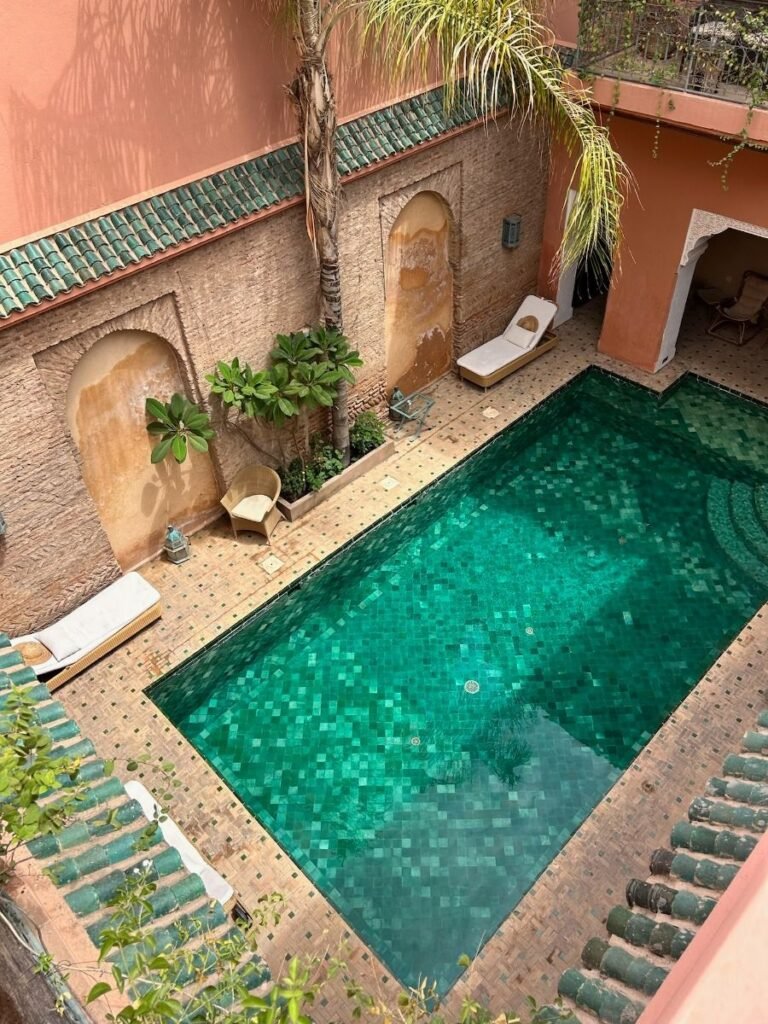
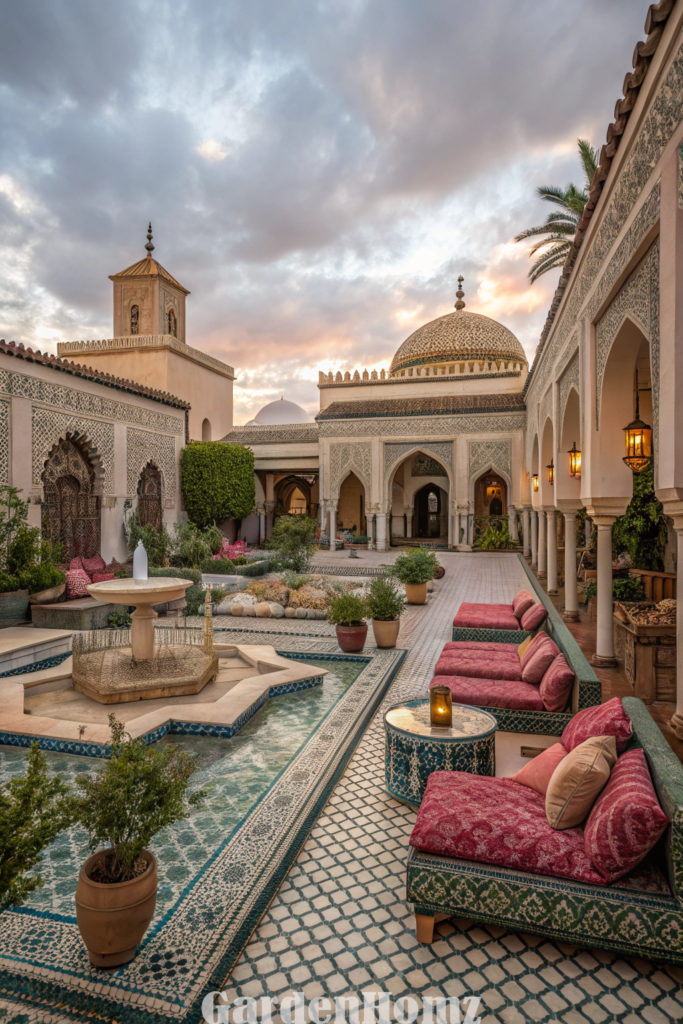
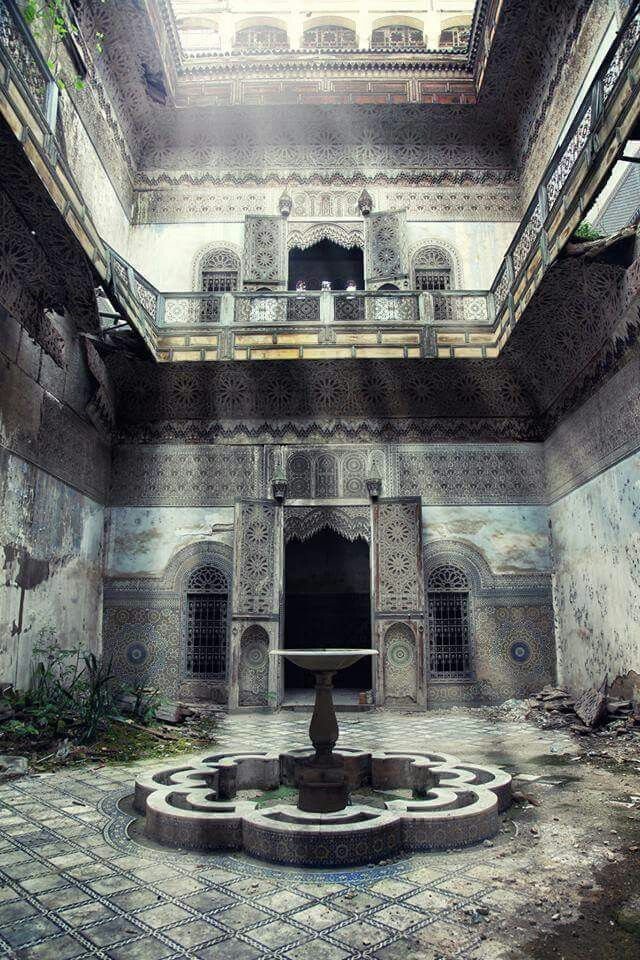
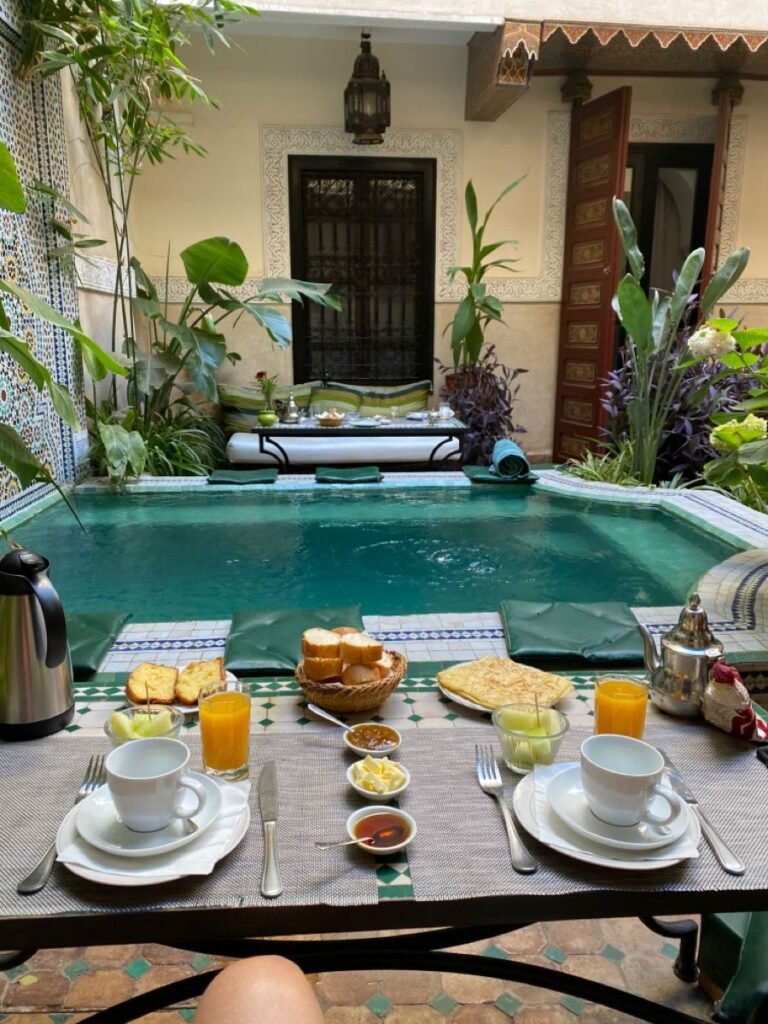
At the heart of every riad was a garden courtyard, often divided into four sections inspired by the Islamic vision of paradise. Water fountains, fruit trees, and shaded galleries created an environment of calm and contemplation. Riads were not simply residences; they were reflections of status, spirituality, and artistic expression.
The Golden Age of Riad Architecture
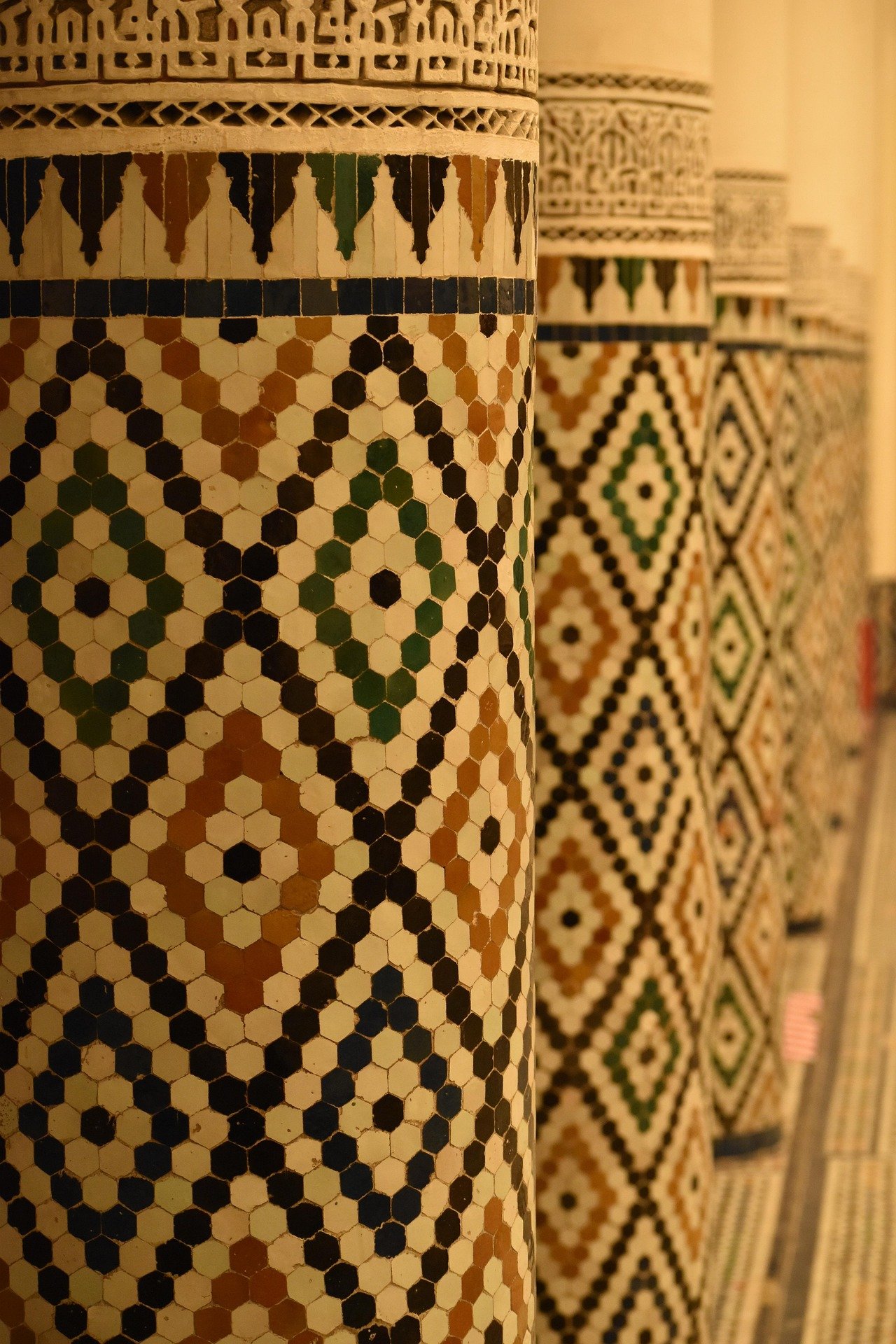
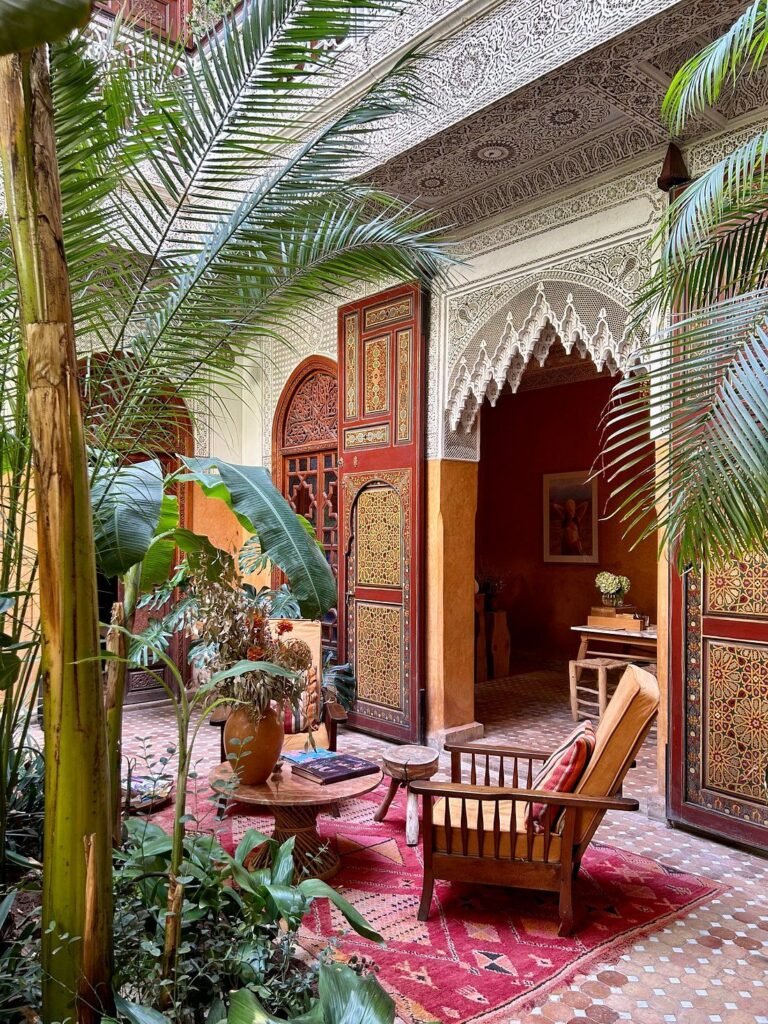
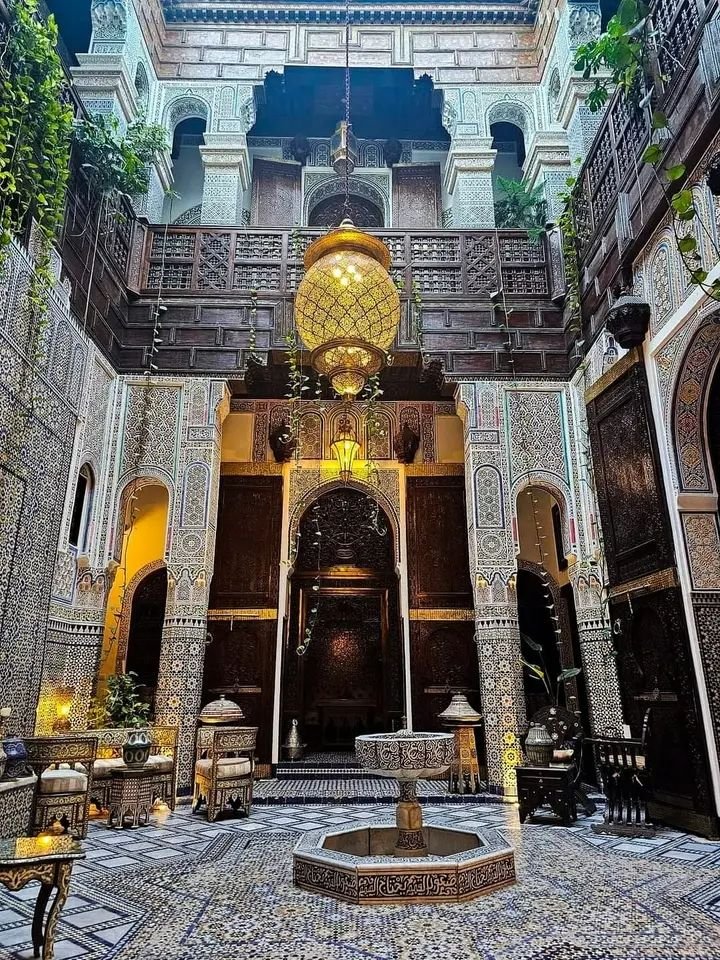
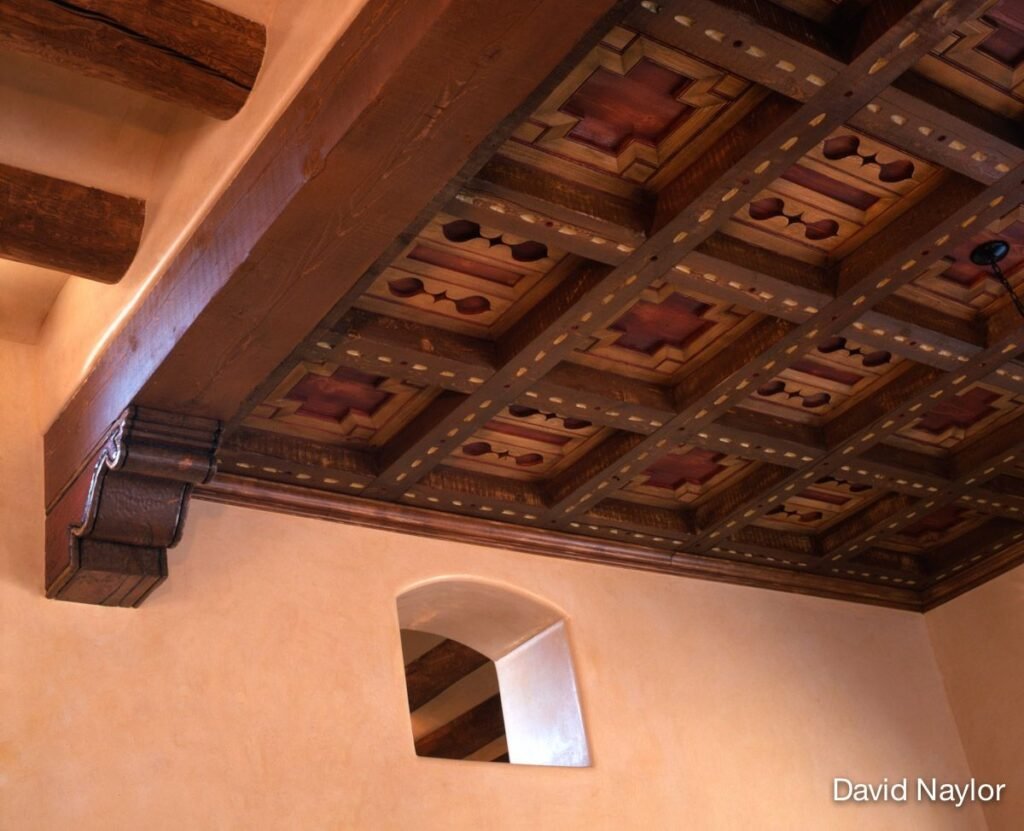
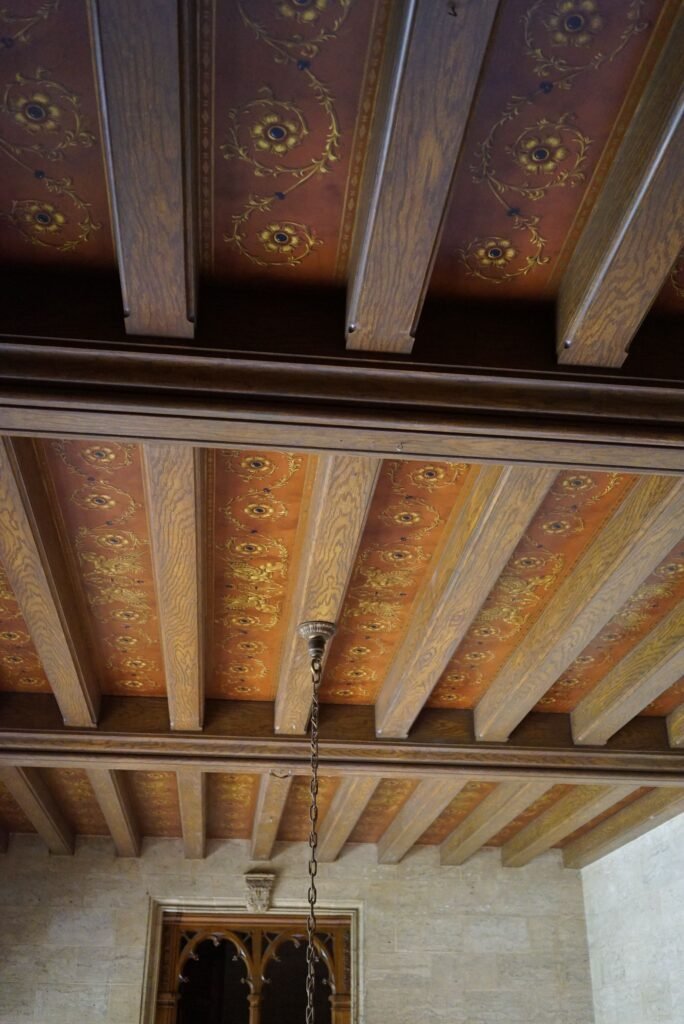
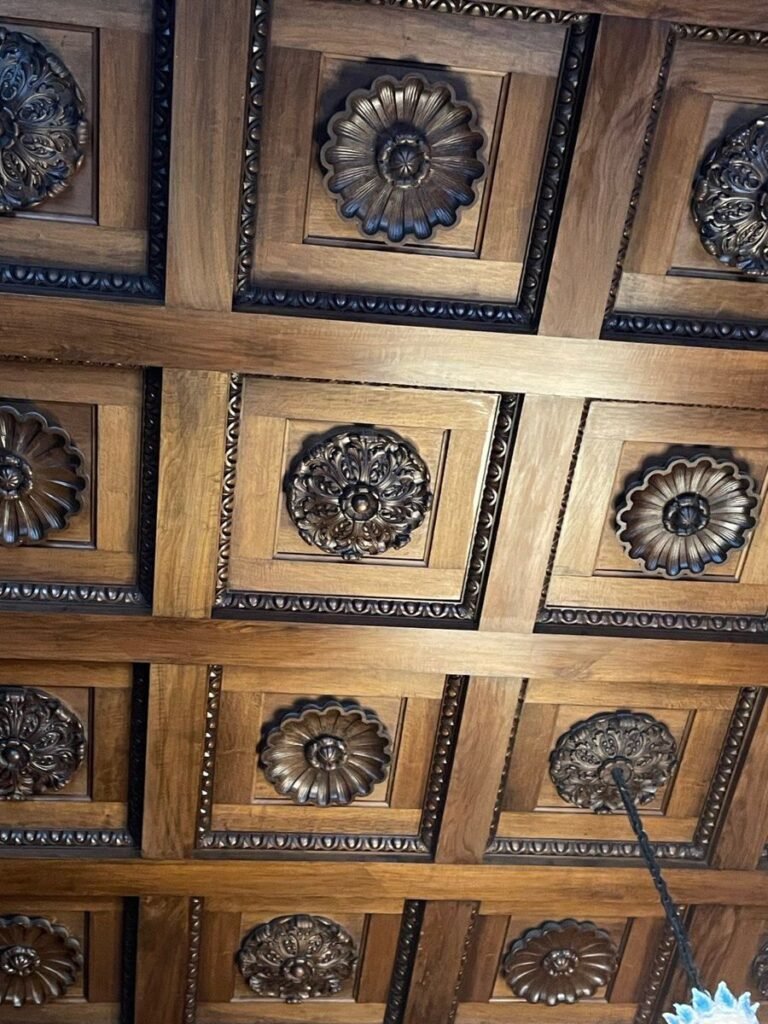
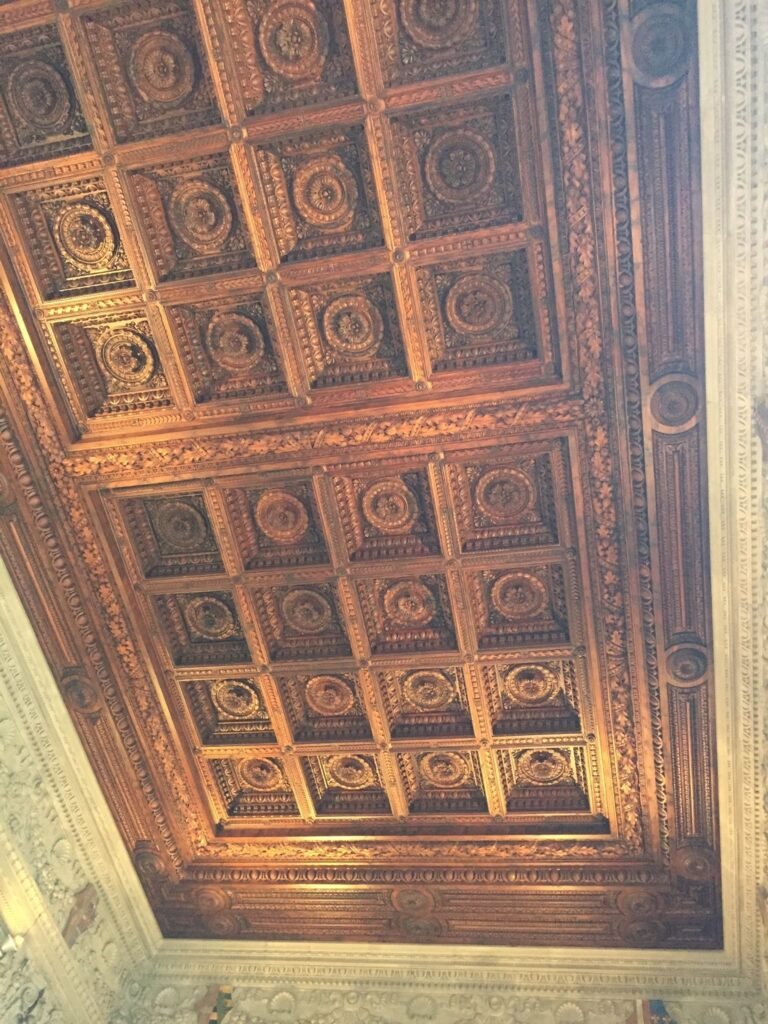
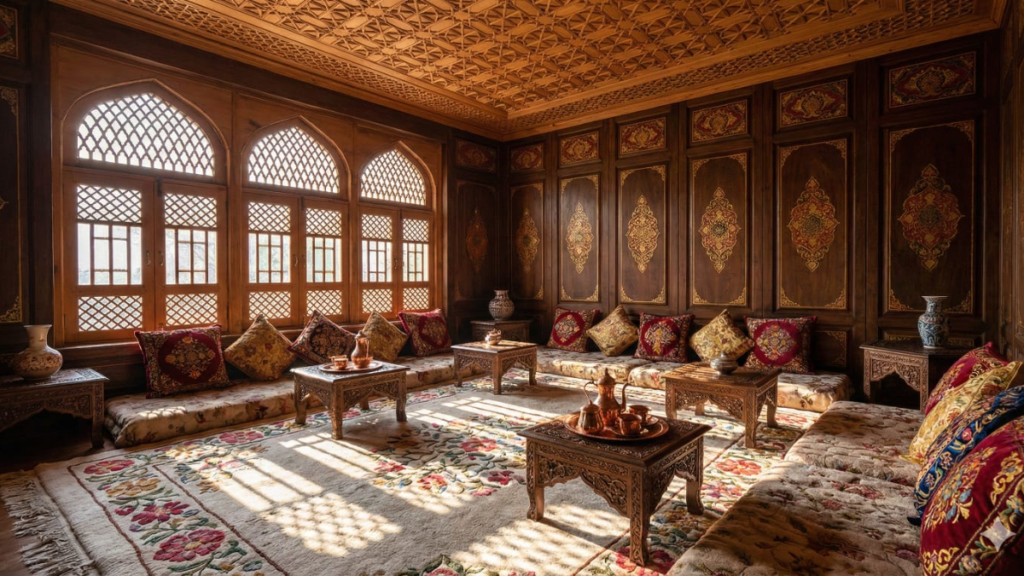
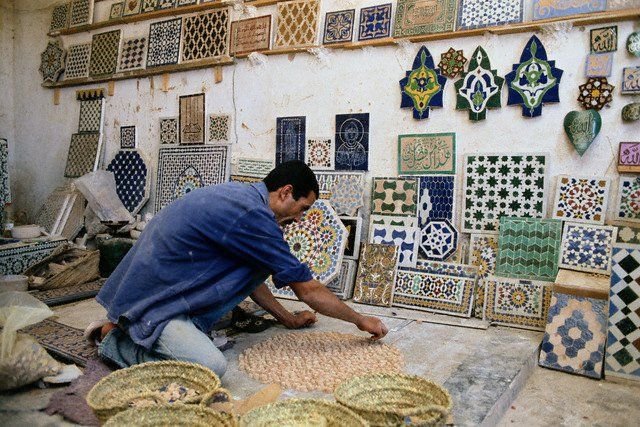
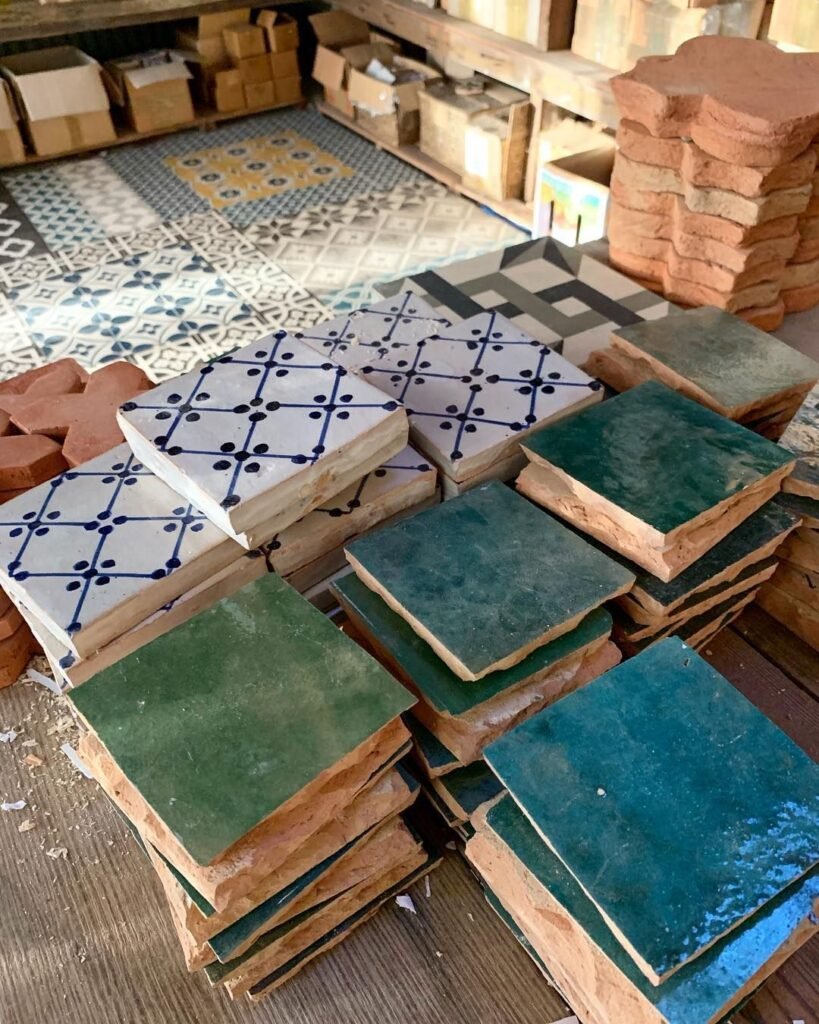
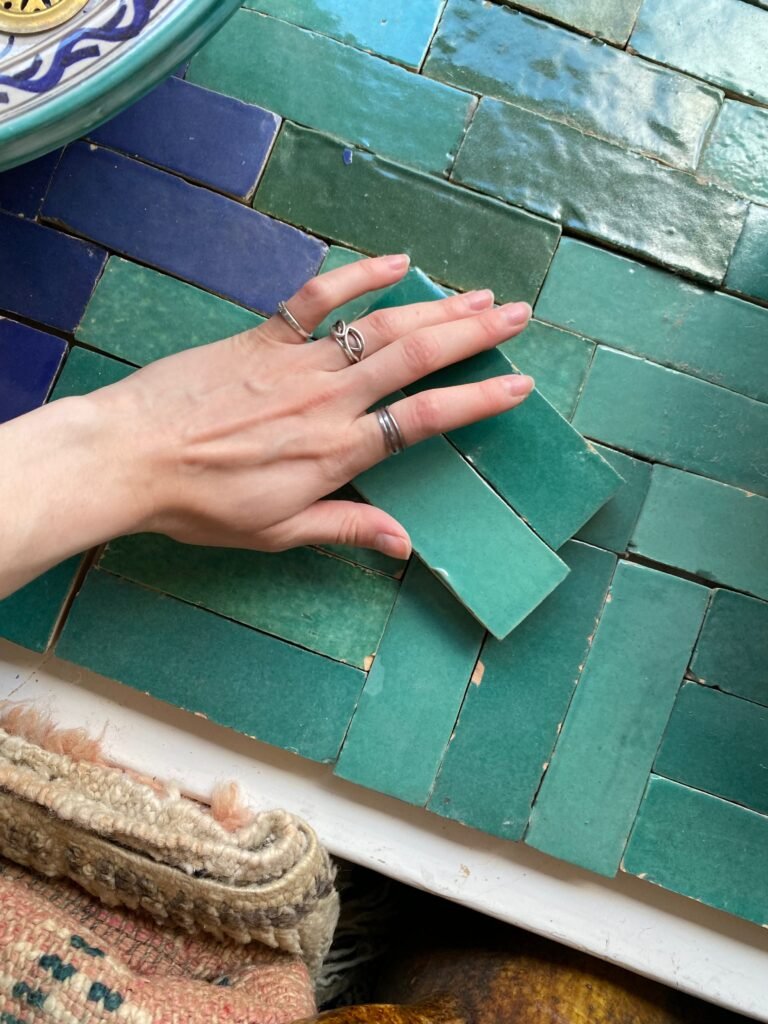
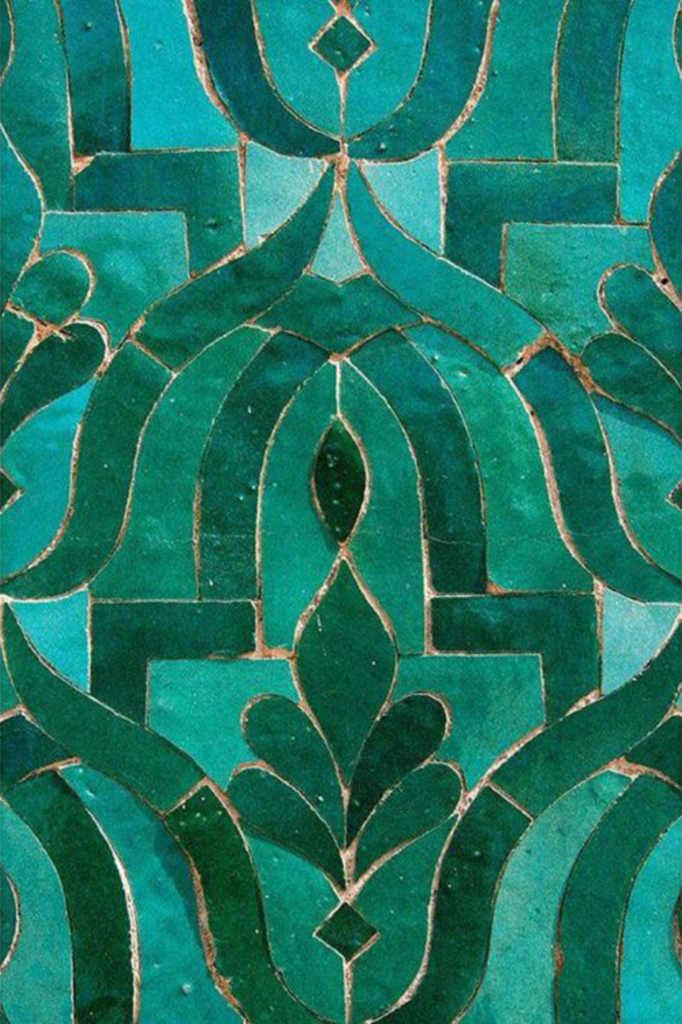
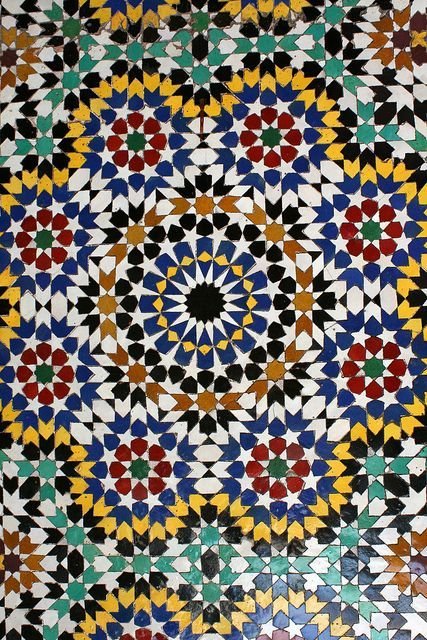
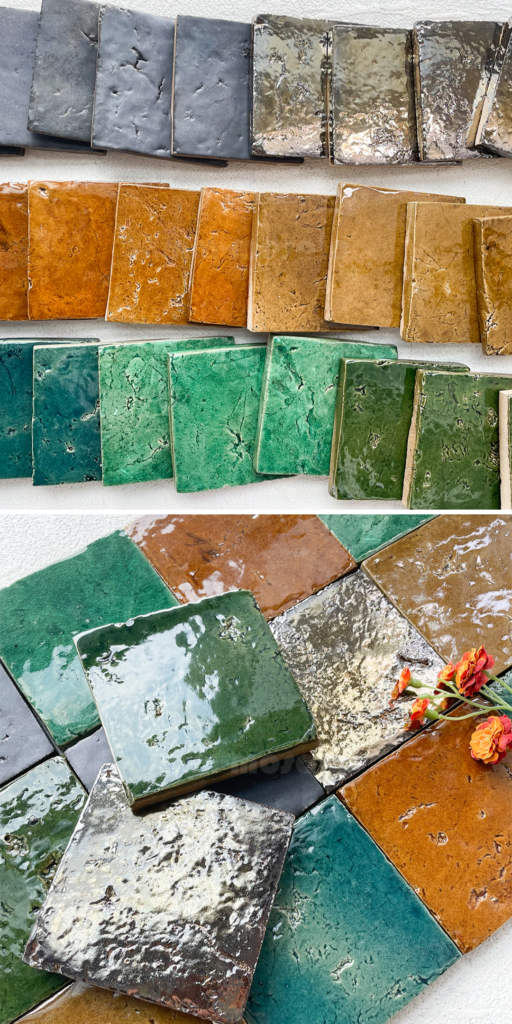
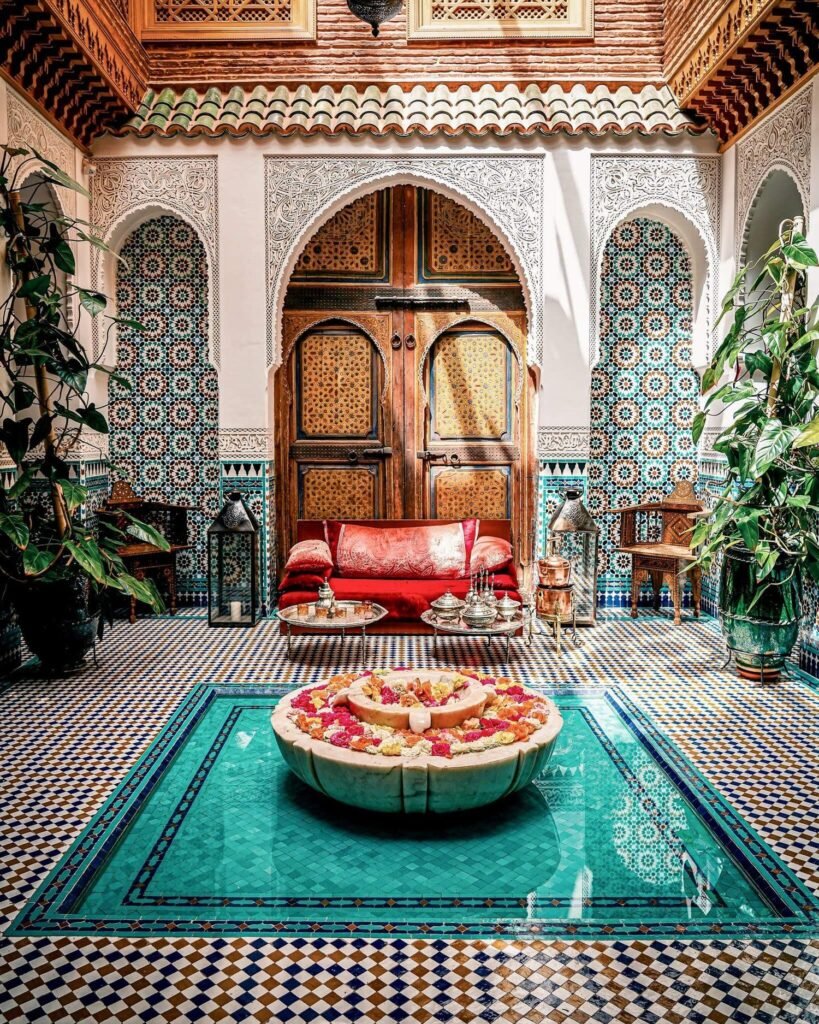
Between the 14th and 18th centuries, riad architecture reached new levels of sophistication. Master artisans perfected zellige tile mosaics, carved cedarwood ceilings, and sculpted plasterwork known as tadelakt. Homes became architectural statements showcasing wealth and devotion to craftsmanship.
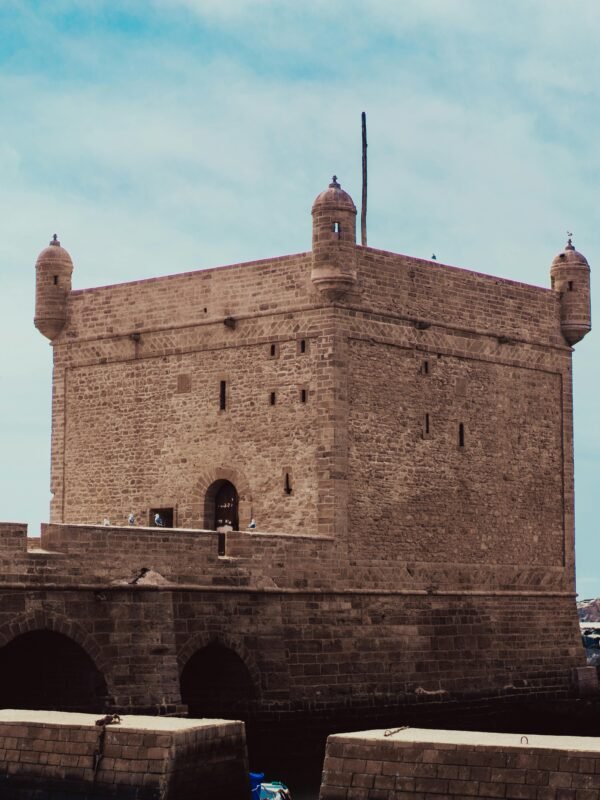
Cities like Essaouira later adopted similar styles, blending Moroccan and European influences due to maritime trade. Throughout these centuries, riads remained private sanctuaries, designed to shield families from the noise and heat of urban life while encouraging harmony with nature.
Decline and Restoration in the Modern Era
By the mid-20th century, many traditional riads began to deteriorate. As Morocco modernized, families moved to newly developed neighborhoods outside the medina. Historic homes were abandoned or divided into smaller units.
However, in the 1980s and 1990s, a wave of restoration began. International travelers and local investors recognized the cultural and architectural value of these properties. Instead of demolishing them, they restored them with care, preserving original materials and traditional techniques. This revival transformed neglected homes into boutique guesthouses while maintaining their authentic character.
The restoration movement not only saved architectural heritage but also revived artisan crafts and revitalized medina economies.
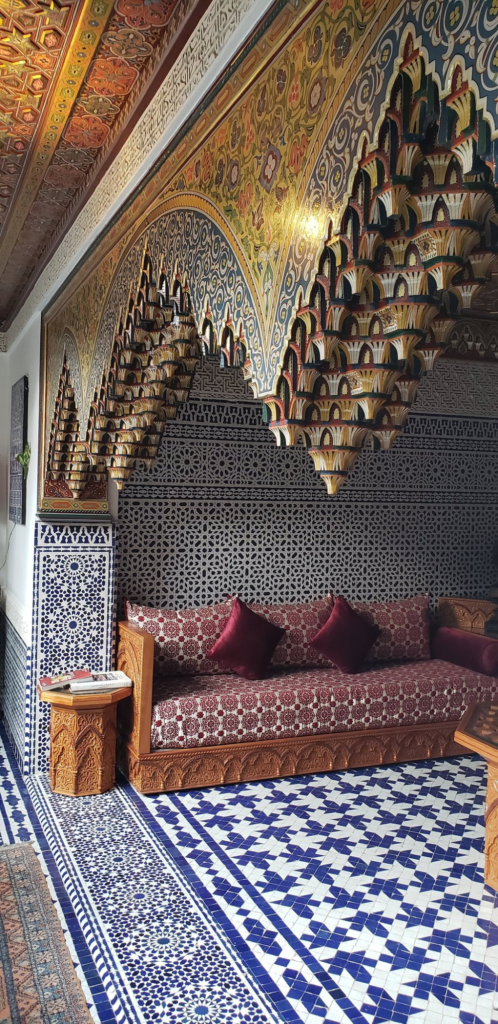
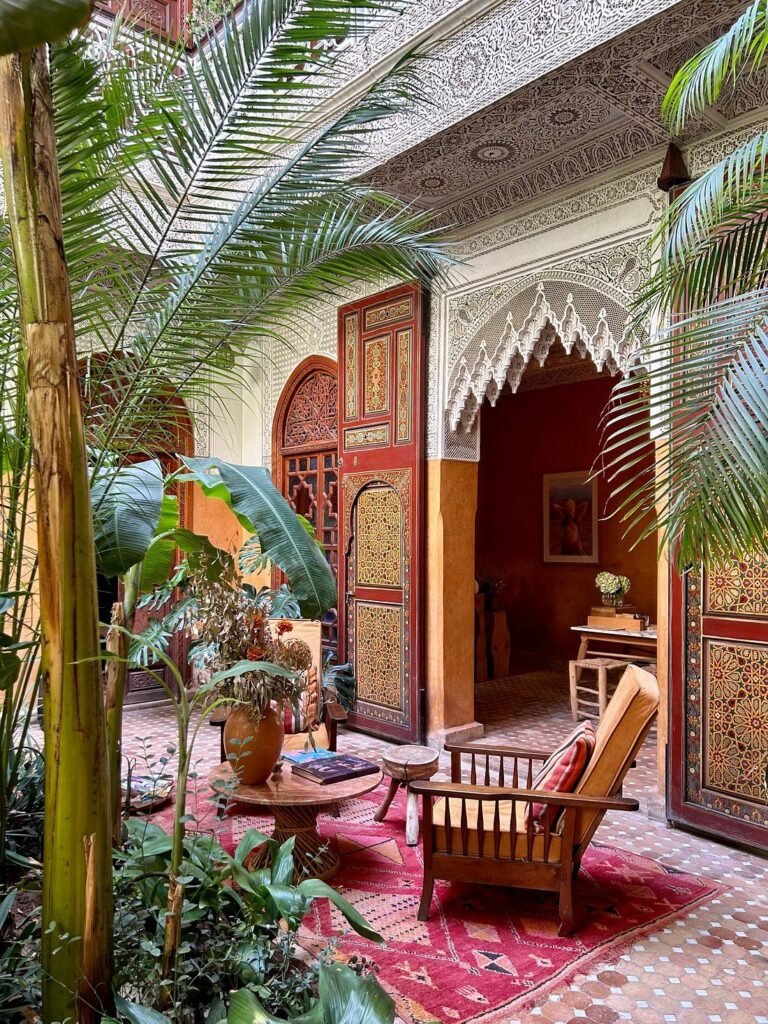
Architectural Features That Define a Riad
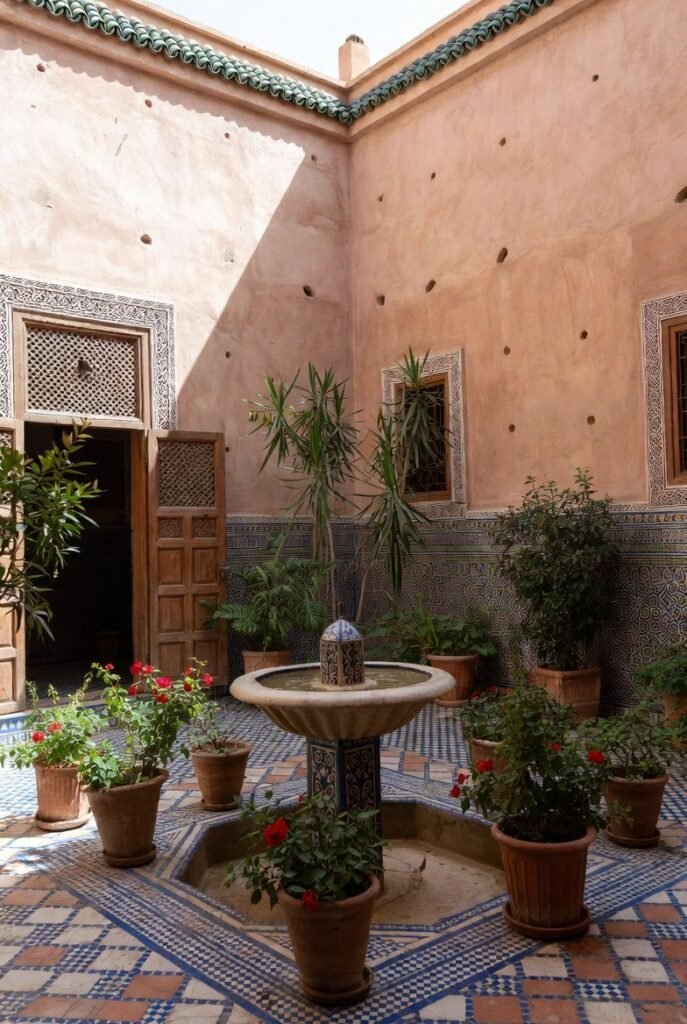
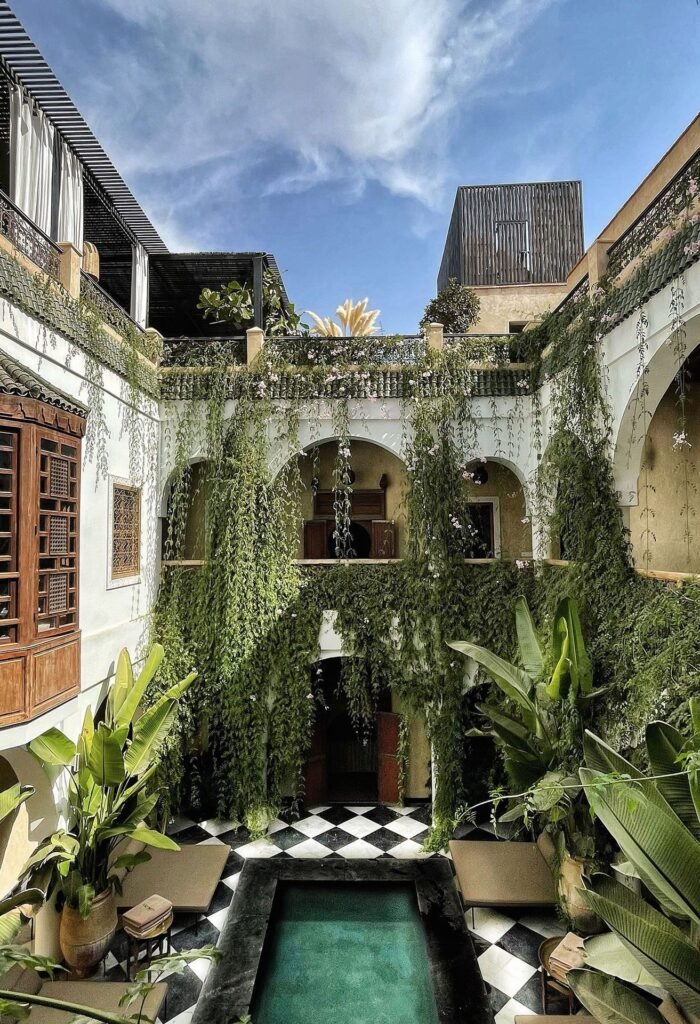
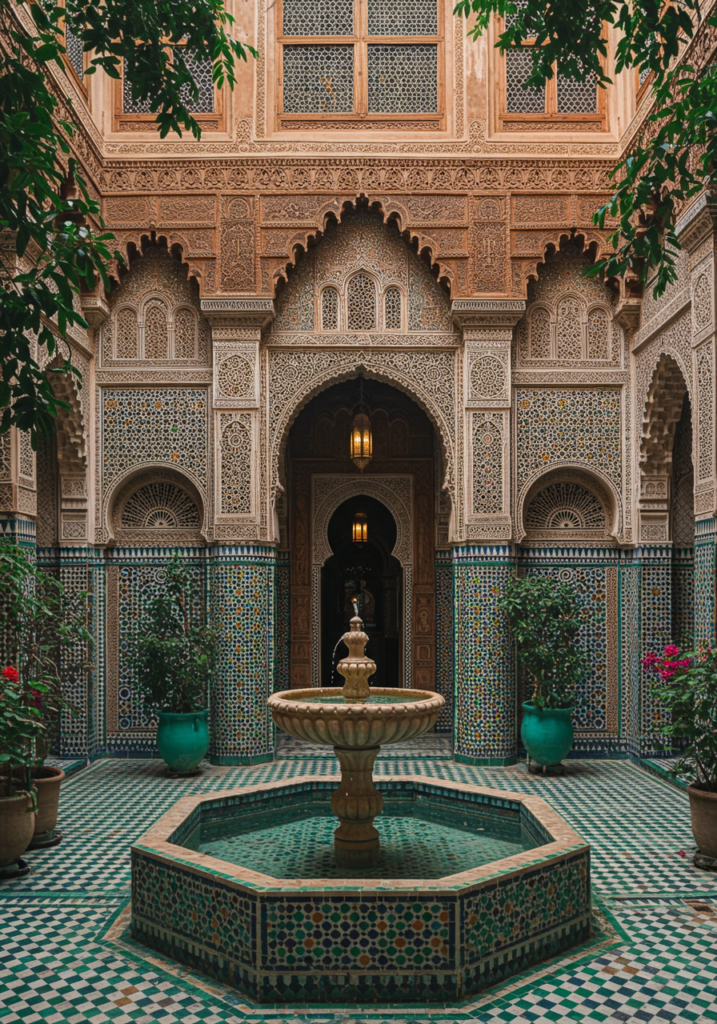
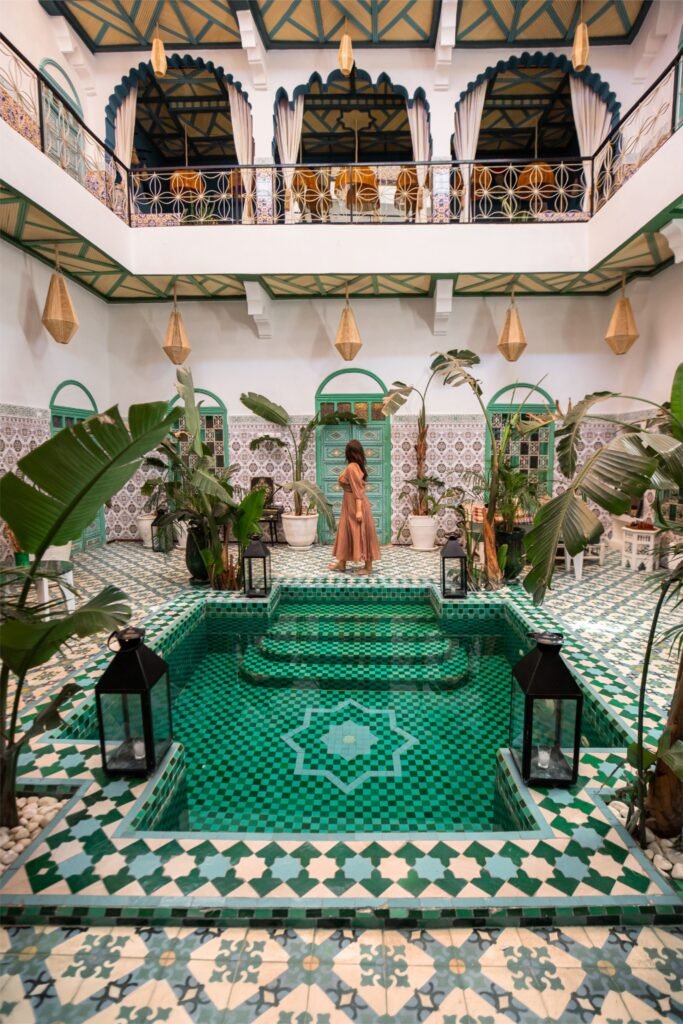
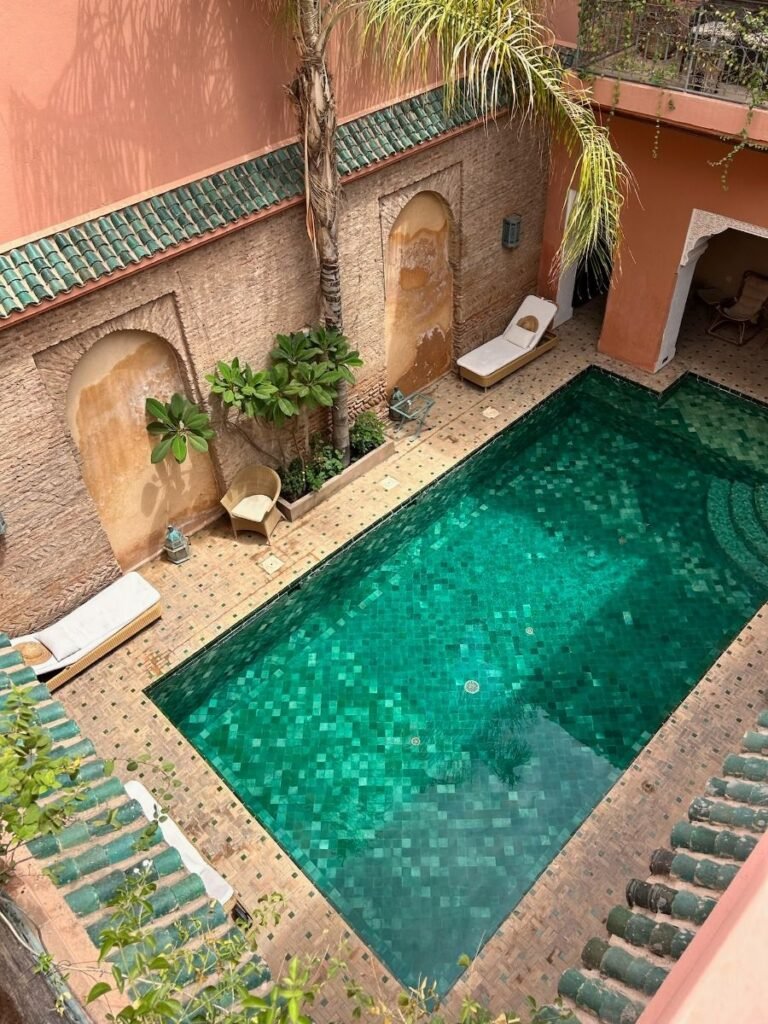
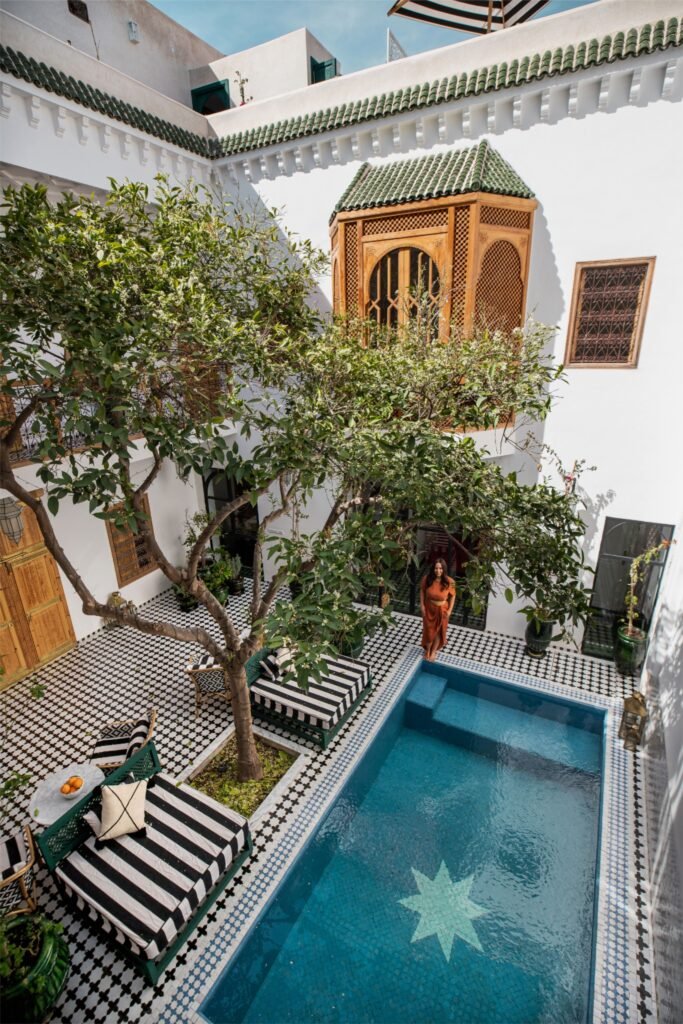
The defining element of a riad is its central courtyard, open to the sky and surrounded by rooms on all sides. This inward orientation ensures privacy and natural climate control. Thick walls insulate against heat, while shaded arcades and fountains promote cooling airflow.
Decorative artistry plays a central role. Zellige tilework forms geometric patterns symbolizing balance and infinity. Cedarwood carvings adorn ceilings and doors. Tadelakt plaster gives walls a smooth, polished texture. Every detail is handcrafted, reflecting generations of skill.
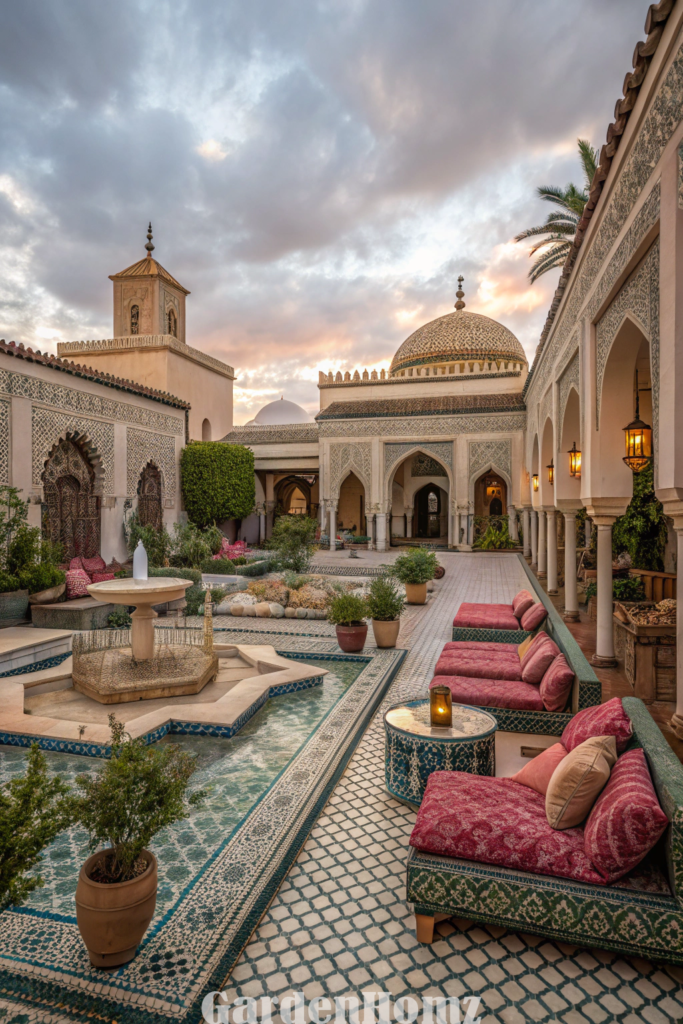
Nature is integrated into the design through orange trees, jasmine vines, and flowing water. The courtyard acts as both a social gathering space and a meditative retreat, reinforcing the Moroccan appreciation for beauty and tranquility.
Cultural Significance and Symbolism
Riads represent more than architecture; they embody Moroccan identity. Their hidden beauty reflects the cultural value of modesty. Their enclosed courtyards symbolize protection and unity. The garden layout mirrors spiritual concepts of paradise and balance.
These homes were traditionally spaces where family life unfolded — celebrations, storytelling, and daily rituals took place within their walls. Even today, riads maintain this sense of intimacy and belonging, offering guests a glimpse into Moroccan domestic heritage.
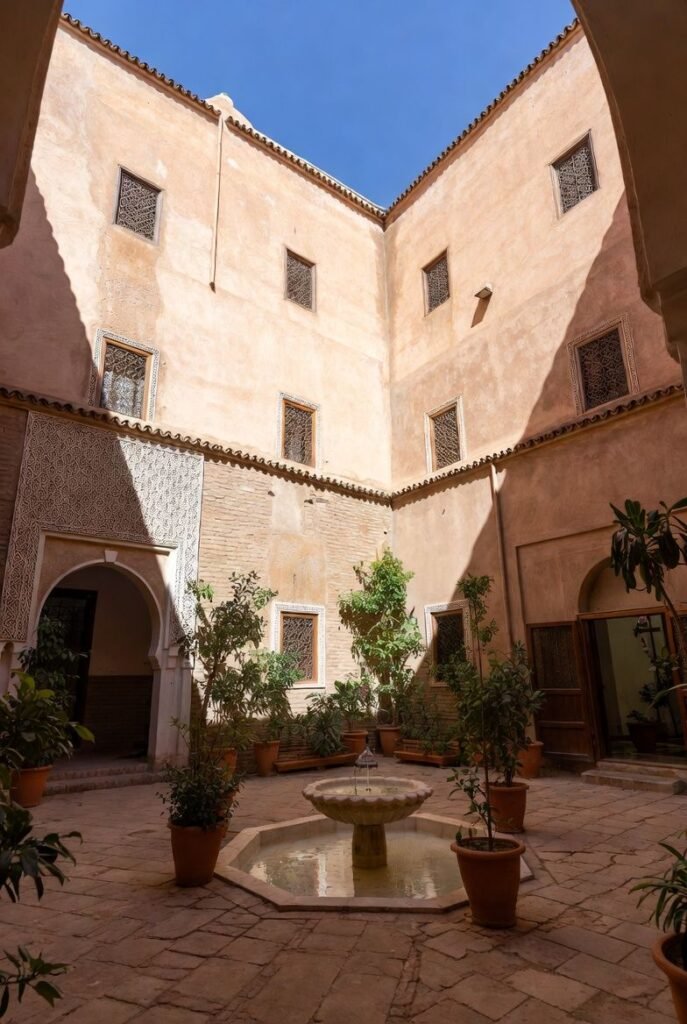
Staying in a Riad: An Immersive Cultural Experience
Unlike standardized hotels, riads provide a deeply personal atmosphere. With only a limited number of rooms, service is attentive and welcoming. Many riads are family-run, allowing guests to experience genuine Moroccan hospitality.
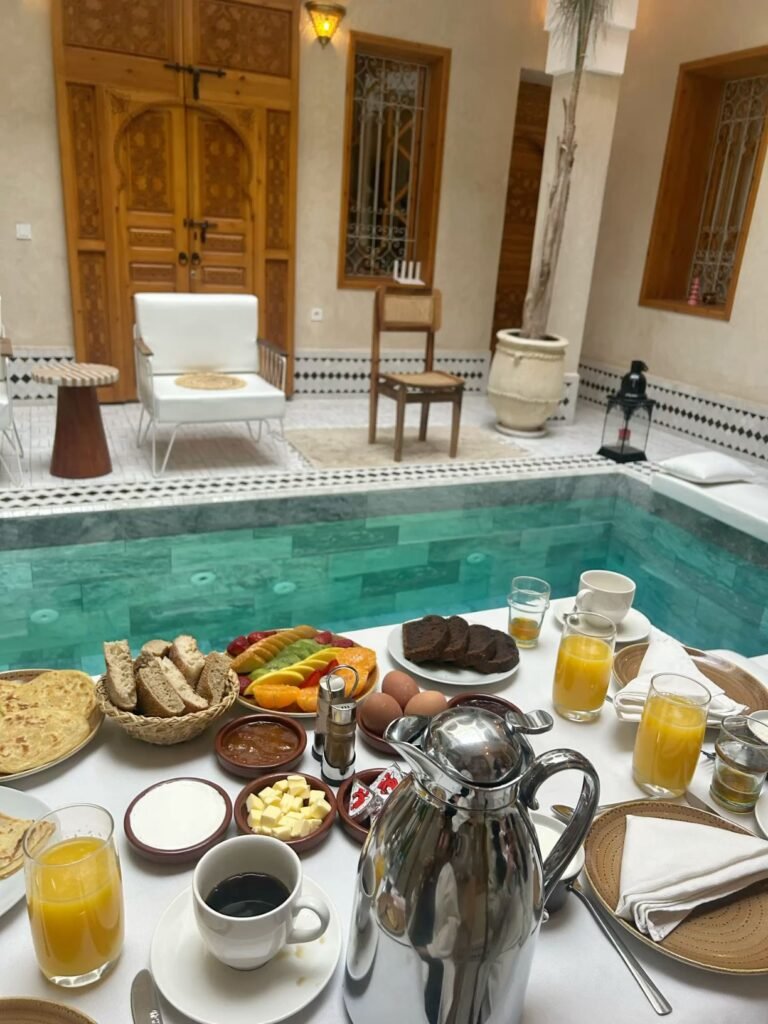
Located within the medina, riads immerse travelers in the rhythm of daily life. The transition from lively souks to a peaceful courtyard enhances the emotional experience of the stay. Traditional breakfasts, rooftop views over historic neighborhoods, and home-cooked dinners further enrich the journey.
Rather than simply offering accommodation, riads offer storytelling, cultural exchange, and connection.
Riads and Sustainable Tourism
The restoration and operation of riads directly support local communities. Skilled craftsmen are employed to maintain traditional building techniques. Local markets supply fresh ingredients and handmade décor. Tourism revenue circulates within neighborhoods rather than flowing exclusively to large international chains.
Many riads now incorporate sustainable practices such as water conservation, solar energy, and locally sourced materials. By choosing a riad stay, travelers contribute to preserving Morocco’s cultural and architectural legacy while promoting responsible tourism.
Why Riads Remain Timeless
Riads have endured for centuries because they adapt without losing their soul. From private medieval homes to contemporary boutique guesthouses, they continue to balance heritage and comfort. Their evolution mirrors Morocco’s broader journey — rooted in tradition yet open to the world.
FAQs About Moroccan Riads
When were riads first built?
Riads began flourishing in Morocco around the 12th century during the Almoravid and Almohad dynasties, though their architectural influences date back even earlier.
Why are riads built inward instead of outward?
The inward-facing design ensures privacy, security, and protection from heat and noise while creating a peaceful central garden space.
Are riads originally Moroccan?
While deeply associated with Morocco, the concept draws from Roman courtyard homes and Andalusian Islamic architecture, later refined into a uniquely Moroccan style.
Why did riads become guesthouses?
In the late 20th century, restoration efforts transformed many abandoned riads into boutique accommodations to preserve heritage and meet growing tourism demand.
What makes riad architecture unique?
Features such as central courtyards, zellige tile mosaics, carved cedarwood, tadelakt plaster, and integrated gardens distinguish riads from other traditional homes.
Are riads comfortable for modern travelers?
Yes. Most restored riads combine traditional aesthetics with modern amenities like private bathrooms, air conditioning, and rooftop terraces.
Do riads support local communities?
Absolutely. Restoration and operation create jobs for artisans, cooks, guides, and suppliers, contributing directly to local economies.
Is staying in a riad better than a hotel?
For travelers seeking authenticity, cultural immersion, and personalized hospitality, a riad often provides a more meaningful and memorable experience than a standard hotel.