Moroccan Weddings : Culture, Traditions and Celebrations
A Moroccan wedding is much more than a ceremony celebrating the union of two people. It is a celebration of family, heritage, hospitality, music, food, clothing, and community.
For many Moroccan families, a wedding brings together traditions that have been passed from one generation to another. The celebrations can involve several events rather than a single ceremony, with preparations beginning well before the main wedding day.
From the colorful henna ceremony and elaborate traditional clothing to Moroccan music, family gatherings, festive meals, and dancing, weddings offer one of the clearest ways to experience Morocco’s cultural richness.
However, there is no single Moroccan wedding tradition followed by every family.
Customs can vary according to region, family background, city, rural community, and personal preferences. A wedding in Marrakech may look different from one in Fes, Tangier, Casablanca, the Rif, the Atlas Mountains, or southern Morocco.
What connects these celebrations is the importance of family, hospitality, symbolism, and bringing people together.
Why Are Weddings So Important in Moroccan Culture?
In Moroccan culture, marriage has traditionally been viewed not only as the union of two individuals but also as an important connection between families.
A wedding can therefore become a major social event involving parents, grandparents, siblings, cousins, friends, and wider community members.
For many families, the celebration is an opportunity to:
- Bring relatives together
- Honor family traditions
- Celebrate Moroccan heritage
- Share traditional food
- Wear traditional clothing
- Enjoy Moroccan music
- Welcome guests
- Celebrate the beginning of a new family
The scale of a wedding can vary enormously.
Some couples choose a large celebration with hundreds of guests, while others prefer a smaller and more modern ceremony.
How Long Does a Moroccan Wedding Last?
One of the things that surprises many international visitors is that a Moroccan wedding does not necessarily happen in a single evening.
Traditional celebrations can involve several events spread over multiple days.
The exact sequence depends on the family and region, but celebrations may include:
- Marriage preparations
- Family gatherings
- The henna ceremony
- The wedding celebration
- Traditional clothing changes
- Music and dancing
- Festive meals
- Family celebrations following the wedding
Modern Moroccan weddings may condense some of these traditions into one or two events.
There is therefore no fixed timetable that applies to every Moroccan wedding.
The Moroccan Henna Ceremony


The henna ceremony is one of the most recognizable Moroccan wedding traditions.
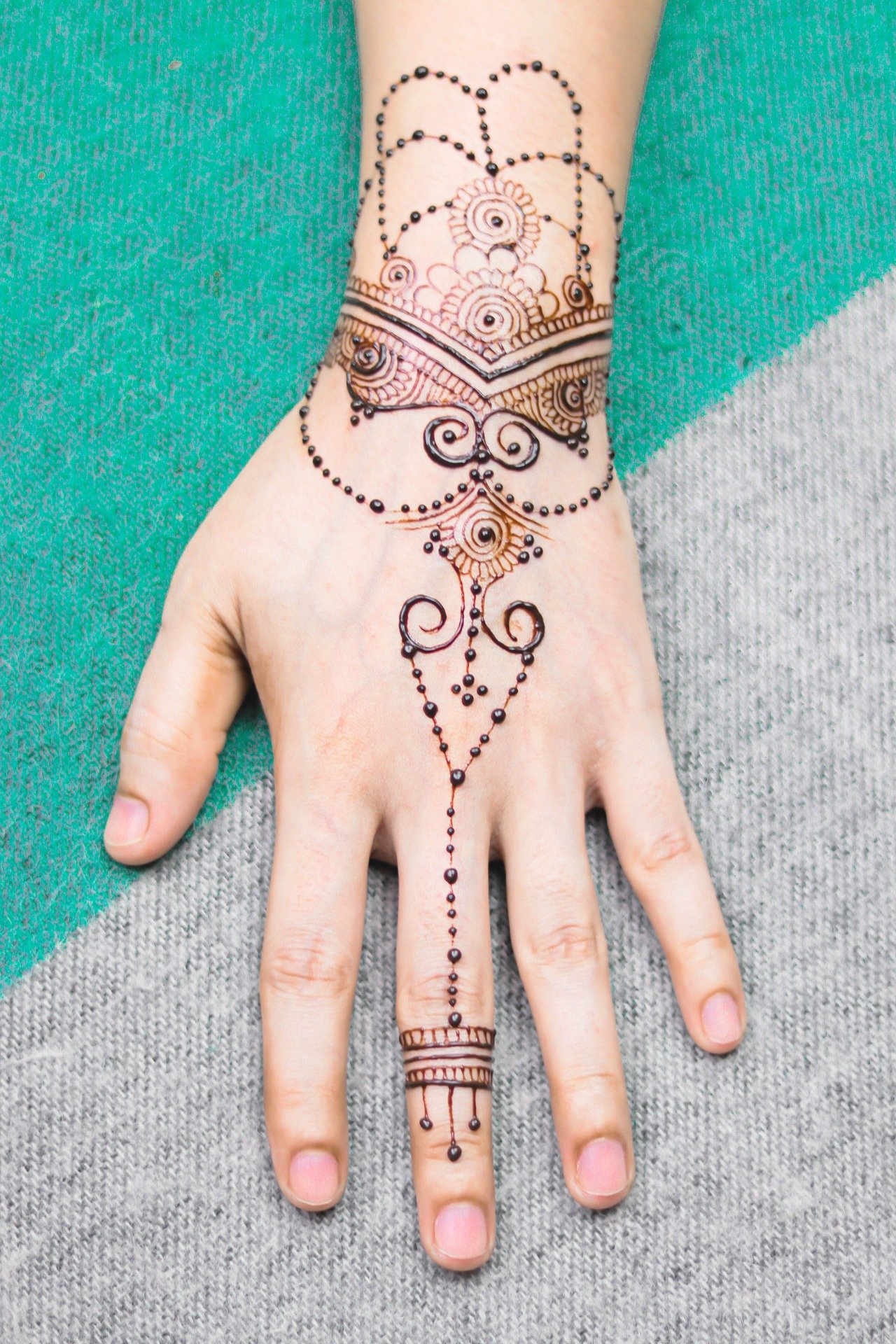
Henna, a natural dye made from the henna plant, is applied to the bride’s hands and sometimes feet in intricate patterns.
The ceremony is traditionally associated with blessings, beauty, protection, happiness, and good fortune.
It is often an intimate celebration involving female relatives and friends, although modern celebrations can take different forms.
The bride may wear a traditional outfit while a professional henna artist creates detailed designs on her hands.
The designs can range from simple patterns to highly intricate compositions.
For many families, the henna ceremony is one of the most meaningful moments of the wedding celebrations.
What Is the Meaning of Henna in Moroccan Weddings?
Henna has a long history across North Africa, the Middle East, and parts of South Asia.
In Morocco, it has become deeply connected with celebrations and important life events.
During weddings, henna can symbolize:
- Blessings
- Happiness
- Protection
- Prosperity
- Beauty
- Good fortune
- A transition into married life
The symbolism can vary according to family and regional traditions.
The ceremony is also about gathering together.
Relatives and friends may sit together, talk, sing, eat, drink tea, and celebrate the bride.
Traditional Moroccan Wedding Clothing
One of the most visually spectacular parts of a Moroccan wedding is the clothing.
The caftan is perhaps the most internationally recognizable garment associated with Moroccan celebrations.
Moroccan brides may wear several outfits throughout the wedding, reflecting different regional traditions and personal preferences.

The Moroccan Caftan
The Moroccan caftan is a long traditional garment that can be richly decorated with embroidery, beads, embroidery, and decorative details.
Modern Moroccan designers have developed the caftan into both a traditional and contemporary fashion piece.
The Takchita
The takchita is another important garment associated with Moroccan celebrations.
It typically consists of layers and can be decorated with elaborate embroidery, belts, and other details.
A bride may change outfits several times during the wedding.
These changes allow her to showcase different styles and traditions throughout the celebration.
Why Does the Moroccan Bride Change Outfits?
Multiple outfit changes are one of the most memorable features of many Moroccan weddings.
Rather than wearing one dress for the entire celebration, the bride may appear in several different traditional outfits.
Each change can introduce a different color, style, region, or design.
The outfits may reflect:
- Moroccan regional traditions
- Family heritage
- Contemporary fashion
- Traditional craftsmanship
- Personal taste
The number of outfits varies considerably.
Some brides wear several different looks during the evening, while others choose a smaller number.
The Moroccan Wedding Negafa
The neggafa, or wedding attendant/coordinator, plays an important role in many traditional Moroccan weddings.
She may help coordinate the bride’s clothing changes, jewelry, accessories, makeup, entrance, and overall presentation.
The neggafa can therefore be an important part of ensuring that the traditional elements of the wedding are carried out smoothly.
In a modern wedding, her role may overlap with that of a stylist or wedding coordinator.
The Amariya: A Famous Moroccan Wedding Tradition

One of the most recognizable moments of many Moroccan weddings is the bride’s entrance on the amariya.
The bride may be carried or elevated on a decorated platform while music and celebration surround her.
It creates a dramatic entrance and gives the bride a central place within the celebration.
The exact form of this tradition can vary, and some modern couples choose different styles of entrance.
Nevertheless, the amariya remains strongly associated with Moroccan wedding celebrations.
Moroccan Wedding Music and Dancing
Music is central to Moroccan celebrations.
A wedding may feature several types of Moroccan music depending on the family’s regional background and preferences.
Possible musical traditions include:
- Gnawa-inspired rhythms
- Andalusian traditions
- Chaabi
- Amazigh music
- Traditional wedding orchestras
- Regional folk music
- Modern Moroccan music


The music creates the rhythm of the evening, accompanying entrances, dancing, outfit changes, and moments of celebration.
Guests may dance together, clap to the rhythm, sing, and celebrate throughout the night.
The atmosphere can become energetic and highly communal.
Moroccan Wedding Food
Food is another essential part of Moroccan wedding culture.
Hospitality is highly valued in Morocco, and serving guests generously is an important part of hosting a celebration.
A large Moroccan wedding meal may include several courses.
Depending on the family and catering style, guests might enjoy:
- Moroccan salads
- Briouates
- Pastilla
- Couscous
- Tagine
- Roasted meat
- Seasonal vegetables
- Fresh fruit
- Moroccan pastries
- Mint tea


The exact menu varies considerably.
Some families choose highly traditional dishes, while modern weddings may combine Moroccan cuisine with international options.
Regardless of the menu, food plays an important role in welcoming and taking care of guests.
Moroccan Mint Tea at Weddings
No discussion of Moroccan hospitality would be complete without mint tea.
Moroccan tea can be served throughout celebrations and is an important symbol of welcome and hospitality.
Guests may enjoy tea alongside Moroccan pastries and sweets.
At a wedding, the tea service can also become part of the social experience, giving guests an opportunity to sit, talk, and celebrate together.
Moroccan Wedding Decorations
Traditional Moroccan aesthetics can have a strong influence on wedding decoration.
Depending on the venue, you may see:
- Lanterns
- Candles
- Flowers
- Moroccan textiles
- Zellige-inspired patterns
- Decorative cushions
- Gold and metallic details
- Traditional seating
- Ornamental fabrics


Some celebrations take place in private homes, while others are held in large wedding halls, hotels, riads, or event venues.
The decoration can range from extremely traditional to highly contemporary.
Moroccan Weddings and Family Traditions
Family is at the center of many Moroccan wedding celebrations.
Parents and older relatives may have an important role in preparations, ceremonies, and hosting guests.
Younger family members often participate in organizing the celebration, welcoming guests, dancing, and helping with logistics.
For extended families, a wedding can become an important reunion.
Relatives who live in different Moroccan cities or abroad may return home specifically for the celebration.
This is one reason Moroccan weddings can feel so large and communal.
Regional Differences in Moroccan Weddings
Morocco is culturally diverse, so wedding traditions differ across the country.
Marrakech
Marrakech weddings often combine classic Moroccan traditions with contemporary event styling.
Traditional clothing, henna, music, elaborate decorations, and large celebrations can all feature prominently.
Fes
Fes is particularly famous for its historical craftsmanship and traditional cultural heritage.
Wedding clothing and decorative details can reflect the city’s rich artistic traditions.
Amazigh Weddings
Amazigh communities across Morocco have their own distinctive wedding traditions.
Clothing, music, dances, ceremonies, and celebrations can vary between Amazigh communities in the Atlas Mountains, Souss, Rif, and other regions.
Northern Morocco
Wedding traditions in northern Morocco can reflect the cultural influences and history of the region.
Music, clothing, food, and family customs may differ from those found in central or southern Morocco.
Southern Morocco
Southern Moroccan communities also have distinctive wedding traditions, including regional clothing, music, and ceremonies.
This diversity is an important reminder that there is no single definition of a “Moroccan wedding.”
Modern Moroccan Weddings
Moroccan weddings are changing as younger generations combine traditional customs with contemporary lifestyles.
A modern wedding may include:
- Western-style wedding dresses
- Professional photography
- Modern wedding venues
- International menus
- Contemporary music
- Traditional Moroccan ceremonies
- Social media photography
- Modern wedding planners
Some couples maintain many traditional elements, while others choose only the customs that are personally meaningful to them.
The result is often a fascinating combination of old and new.
Traditional Moroccan Wedding vs. Modern Moroccan Wedding
| Traditional Elements | Modern Elements |
|---|---|
| Henna ceremony | Professional wedding planner |
| Moroccan caftan | Western-style wedding dress |
| Traditional musicians | DJ or modern music |
| Amariya entrance | Contemporary entrance |
| Family-centered celebrations | Smaller guest lists |
| Traditional Moroccan dishes | International menus |
| Handmade decorations | Modern event design |
| Regional customs | Personalized ceremonies |
Many Moroccan weddings combine both sides rather than choosing one over the other.
What Happens on the Wedding Day?
There is no universal schedule, but a typical large celebration may involve several stages.
Preparation
The bride and groom prepare for the celebration, often with family members and professional beauty or styling teams.
Arrival of Guests
Guests arrive at the venue and are welcomed by the family.
Bride’s Entrance
The bride may make a dramatic entrance accompanied by music.
Traditional Outfit Changes
The bride may appear in several Moroccan outfits throughout the evening.
Music and Dancing
Traditional and contemporary music keeps the celebration active.
Dinner
Guests are served a large meal or several courses.
Cake and Desserts
A wedding cake or traditional sweets may be served.
Final Celebrations
The evening continues with music, dancing, photographs, and socializing.
Again, the exact sequence varies from one wedding to another.
Moroccan Wedding Gifts
Guests may bring gifts for the newly married couple.
The form of the gift varies according to the family, relationship, and circumstances.
Gifts can include:
- Money
- Jewelry
- Household items
- Clothing
- Personalized presents
In many cases, the most important thing is the gesture of supporting and celebrating the couple.
Can Tourists Attend a Moroccan Wedding?
Generally, Moroccan weddings are private family events, so travelers should never assume that they can simply attend one.
However, visitors may encounter wedding celebrations while traveling and may sometimes receive an invitation through local friends, hosts, guides, or community connections.
If you are invited, consider it a meaningful gesture.
Follow the family’s lead regarding photography, clothing, food, and participation.
A wedding invitation should be treated as a personal and cultural privilege rather than a tourist attraction.
What Should You Wear to a Moroccan Wedding?
If you are invited to a Moroccan wedding, modest and elegant clothing is generally a safe choice.
Women may choose a long dress or a modest formal outfit, while men may wear a suit, smart traditional clothing, or another formal outfit appropriate to the event.
If the hosts provide specific instructions, follow them.
You do not need to wear traditional Moroccan clothing unless you want to.
However, wearing a Moroccan caftan or other traditional garment can be a wonderful way to participate respectfully when appropriate.
Moroccan Weddings Are About More Than the Couple
One of the most important things to understand about Moroccan weddings is their communal character.
The celebration is not only about the bride and groom.
It is also about:
Family.
Friendship.
Hospitality.
Heritage.
Community.
Celebration.
This is why Moroccan weddings can feel so energetic and emotionally powerful.
A wedding may bring together people who have not seen each other for years.
It can reconnect relatives living in different cities or countries.
It can introduce younger generations to traditions that their grandparents experienced decades earlier.
The Cultural Meaning Behind Moroccan Weddings
At their heart, Moroccan weddings demonstrate how traditions can evolve while remaining meaningful.
The clothing may become more modern.
The music may include contemporary influences.
The venue may be a luxury hotel rather than a family home.
Yet many couples still preserve the traditions that connect them with their families and Moroccan heritage.
The henna ceremony, traditional clothing, music, food, family gatherings, and hospitality can continue to give the celebration a distinctly Moroccan identity.
Experiencing Moroccan Culture With Morocco Global Travel
For travelers visiting Morocco, cultural experiences can add another dimension to a journey.
With Morocco Global Travel, travelers can explore Moroccan traditions through carefully planned cultural itineraries that may include historic medinas, traditional riads, artisan workshops, Moroccan cuisine, local communities, and other authentic experiences.
A Moroccan wedding itself should always remain a private family celebration unless you have been personally invited.
But you can still discover many of the traditions associated with Moroccan weddings through cultural experiences, local guides, cooking experiences, traditional music, artisan visits, and opportunities to learn about Moroccan heritage.
Frequently Asked Questions About Moroccan Weddings
How long do Moroccan weddings last?
Traditional Moroccan wedding celebrations can take place over several days, although modern weddings are often condensed into one or two main events.
What is a Moroccan henna ceremony?
It is a celebration in which henna is applied to the bride’s hands, often accompanied by family gatherings, food, music, and traditional clothing.
What does a Moroccan bride wear?
A Moroccan bride may wear several traditional outfits, including a caftan or takchita, and may also wear a modern Western-style wedding dress.
What is an amariya?
An amariya is a decorated platform used in some Moroccan wedding celebrations to carry or elevate the bride during her entrance.
Do Moroccan weddings have a lot of food?
Food is an important part of Moroccan hospitality, and large weddings may feature several dishes and courses.
What music is played at Moroccan weddings?
Music varies by region and family and may include Moroccan chaabi, Amazigh music, Gnawa-inspired rhythms, Andalusian traditions, regional folk music, and contemporary Moroccan music.
Are Moroccan weddings always traditional?
No. Modern Moroccan weddings can combine traditional customs with contemporary fashion, venues, music, and celebrations.
Are Moroccan weddings different across Morocco?
Yes. Wedding traditions vary considerably between regions, communities, and families.
Can tourists attend Moroccan weddings?
Only if they are invited. Moroccan weddings are generally private family celebrations, so visitors should not assume that they can attend.
What makes Moroccan weddings unique?
The combination of family participation, traditional clothing, henna, music, food, hospitality, and regional customs gives Moroccan weddings their distinctive character.
Final Thoughts: Discovering Morocco Through Its Wedding Traditions
A Moroccan wedding is one of the clearest expressions of the country’s cultural diversity.
It brings together many elements that travelers associate with Morocco—beautiful clothing, intricate craftsmanship, music, food, hospitality, family traditions, and celebration—but combines them in a deeply personal way.
From the quiet intimacy of a henna ceremony to the energy of music and dancing, Moroccan weddings show how traditions continue to evolve while remaining connected to family and heritage.
For visitors, understanding these traditions offers a deeper appreciation of Moroccan culture.
Morocco is not only a destination of ancient cities, desert landscapes, mountains, and beautiful architecture.
It is also a country where culture continues to live through the people who celebrate, gather, eat, dance, welcome guests, and pass traditions from one generation to the next.