Morocco’s Imperial Cities: History of The Four Royal Capitals That Shaped a Kingdom
Morocco’s Imperial Cities are much more than beautiful destinations. Marrakech, Fez, Meknes and Rabat each played a different role in the development of the Moroccan kingdom, serving at various moments as seats of power, centers of scholarship, military strongholds, commercial hubs and symbols of royal authority.
Together, these four cities tell a remarkable story of Morocco.
Fez takes visitors deep into the country’s spiritual and intellectual heritage. Marrakech reveals the grandeur of the Almoravids, Almohads and Saadians. Meknes reflects the ambition of Sultan Moulay Ismail and the Alaouite dynasty. Rabat represents the transition from historic imperial capital to the modern political capital of Morocco.
Walking through these cities means moving through different chapters of Moroccan history without ever needing to leave the country.


What Are Morocco’s Imperial Cities?
An imperial city is a Moroccan city that served as a capital or major royal seat under one or more ruling dynasties.
Unlike a modern capital chosen purely for administrative convenience, Morocco’s historic capitals were closely connected to royal power. Dynasties moved their courts, armies, administrative institutions and building programs between cities according to political, strategic and economic priorities.
This is why each of Morocco’s Imperial Cities has a distinct personality.
| Imperial City | Best Known For | Major Historical Connections |
|---|---|---|
| Marrakech | Palaces, souks, gardens and monumental architecture | Almoravids, Almohads, Saadians and Alaouites |
| Fez | Medina, scholarship and religious heritage | Idrisids, Marinids, Wattasids and Alaouites |
| Meknes | Royal architecture and monumental gates | Alaouite Sultan Moulay Ismail |
| Rabat | Royal institutions and modern government | Almohads, Alaouites and modern Morocco |
The four cities are recognized by Morocco’s national tourism authorities as the country’s historic imperial capitals, but their stories are far from identical.
1. Marrakech: The Red City of Moroccan Dynasties


Few cities represent Morocco as immediately as Marrakech.
Known as the Red City because of the distinctive reddish color of its walls and traditional buildings, Marrakech has been one of Morocco’s most influential political and cultural centers for nearly a millennium.
The city was founded during the Almoravid period in the 11th century and became the capital of the Almoravid dynasty.
Its strategic position helped connect northern Morocco with the commercial routes leading toward the Sahara and sub-Saharan Africa.
Marrakech Through the Dynasties
| Dynasty | Role in Marrakech |
|---|---|
| Almoravids | Founded Marrakech and established it as a capital |
| Almohads | Expanded and transformed the city |
| Saadians | Made Marrakech a center of royal power and artistic development |
| Alaouites | Continued to develop and restore important parts of the city |
Marrakech became more than a political capital.
It developed into a center of trade, architecture, religion, craftsmanship and culture whose influence reached across the western Islamic world.
The Almoravid Origins of Marrakech
The Almoravids established Marrakech in the 11th century.
Their rise was closely connected with the Sahara and the trade routes linking Morocco with West Africa.
As their empire expanded northward into the Iberian Peninsula, Marrakech became the heart of a vast political system stretching across parts of North Africa and Al-Andalus.
The city continued to grow under the Almohads, who conquered Marrakech in the 12th century.
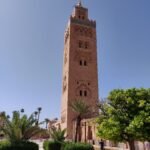
The famous Koutoubia Mosque and its monumental minaret remain among the most recognizable reminders of this period.
Marrakech During the Saadian Era
Centuries later, Marrakech experienced another major period of development under the Saadian dynasty.
The Saadians transformed the city with royal buildings, religious institutions and elaborate architectural projects.
The Saadian Tombs and the remains of El Badi Palace provide some of the most impressive evidence of this period.
The city also became associated with gardens, palaces, religious schools and wealthy merchant districts.
What Makes Marrakech Special Today?
Marrakech is perhaps the most immediately accessible of Morocco’s imperial cities for first-time visitors.
A single day can take you from historic monuments to traditional souks, from peaceful riads to lively squares.
| Marrakech Experience | Historical Character |
|---|---|
| Koutoubia Mosque | Almohad heritage |
| Saadian Tombs | Saadian royal history |
| El Badi Palace | Saadian grandeur |
| Bahia Palace | Later Moroccan royal architecture |
| Medina | Centuries of commercial and urban life |
| Jemaa el-Fna | Historic public and cultural space |
| City walls | Defensive architecture surrounding the old city |
Marrakech is therefore not simply a tourist destination.
It is a living historical city.
2. Fez: Morocco’s Spiritual and Intellectual Capital


If Marrakech represents the energy and grandeur of Morocco, Fez represents its intellectual and spiritual depth.
Founded during the Idrisid period between the late 8th and early 9th centuries, Fez became one of the most important cities in the Islamic world.
The city developed into a major center of religious learning, scholarship, craftsmanship and commerce.
For centuries, dynasties repeatedly returned to Fez as a seat of political authority.
Fez and the Moroccan Dynasties
| Dynasty | Connection with Fez |
|---|---|
| Idrisids | Established Fez as an important early Moroccan capital |
| Almoravids | Unified and expanded the city |
| Almohads | Continued its development |
| Marinids | Made Fez a major royal and intellectual center |
| Wattasids | Ruled Morocco from Fez |
| Alaouites | Continued to develop and restore the city |
The city’s historic medina remains one of the world’s most remarkable medieval urban environments.
Its narrow streets, workshops, mosques, madrasas, fountains and traditional houses preserve an extraordinary sense of continuity.
Fez and the Birth of Moroccan Scholarship
Fez became famous for its intellectual institutions.
The Al Quaraouiyine institution, founded in the 9th century, became one of the most important centers of Islamic learning in North Africa.
Scholars from across the region traveled to Fez to study religion, law, philosophy, language and other disciplines.
This intellectual tradition helped establish Fez as Morocco’s spiritual heart.
Fez Under the Marinids
The Marinid dynasty brought a particularly important period of development to Fez.
During the 13th and 14th centuries, the city expanded significantly.
The Marinids established Fez el-Jdid, or New Fez, alongside the older medina.
They also built magnificent madrasas decorated with zellij, carved plaster and cedarwood.
The result was an architectural style that remains one of the defining characteristics of Fez today.
What Should You See in Fez?
| Site | Why It Matters |
|---|---|
| Bab Bou Jeloud | Famous entrance to the historic medina |
| Al Quaraouiyine | Major center of Moroccan intellectual heritage |
| Bou Inania Madrasa | Marinid architectural masterpiece |
| Al-Attarine Madrasa | Fine example of traditional Moroccan craftsmanship |
| Fez el-Jdid | Royal district established under the Marinids |
| Nejjarine area | Traditional woodworking and craftsmanship |
| Historic souks | Living commercial traditions |
Fez rewards travelers who slow down.
Its greatest treasures are often found beyond the obvious monuments, hidden behind traditional doors, inside workshops and along streets where generations of artisans have continued their craft.
3. Meknes: The Royal Vision of Moulay Ismail


Among Morocco’s Imperial Cities, Meknes has a particularly distinctive story.
While Fez and Marrakech had already accumulated centuries of royal history, Meknes reached its greatest imperial importance under Sultan Moulay Ismail in the late 17th and early 18th centuries.
Moulay Ismail chose Meknes as his capital and embarked on an enormous building program.
His vision was ambitious: to create a powerful royal city that reflected the strength and authority of his dynasty.
Moulay Ismail and the Creation of Imperial Meknes
Moulay Ismail transformed Meknes with enormous walls, gates, palaces, gardens, granaries and royal compounds.
The scale of the project was remarkable.
The city was designed to serve not only as a royal residence but also as a military and administrative center.
One of its most famous monuments is Bab Mansour, an enormous monumental gate decorated with intricate tilework and architectural details.
The royal complex also included the Heri es-Souani, traditionally associated with grain storage and royal stables.
The Great Building Program of Meknes
| Feature | Purpose |
|---|---|
| Monumental gates | Controlled access to the imperial city |
| Massive walls | Defense and royal prestige |
| Royal palaces | Residence of the Sultan and court |
| Granaries | Storage of food and supplies |
| Stables | Support for the Sultan’s large cavalry forces |
| Gardens | Royal leisure and ceremonial spaces |
| Religious buildings | Spiritual and educational functions |
Meknes was designed to communicate power.
Its architecture is less about delicate intimacy than about scale, strength and royal ambition.
Meknes and Volubilis
One of the advantages of visiting Meknes is its proximity to Volubilis, one of Morocco’s most important Roman archaeological sites.
This creates a fascinating historical combination.
Within a relatively short journey, travelers can move from the Roman world of ancient Morocco into the imperial world of Moulay Ismail.
It is one of the best ways to experience the depth of Moroccan history in a single region.
Why Visit Meknes?
Meknes is often quieter than Marrakech and Fez.
For travelers who want to explore Morocco’s imperial heritage without the same level of intensity found in the country’s busiest destinations, Meknes offers a more relaxed historical experience.
Its monumental gates, old medina, royal remains and nearby archaeological sites make it an essential stop for anyone interested in Moroccan history.
4. Rabat: The Modern Royal Capital


The story of Rabat is different from the other three imperial cities.
Today, Rabat is Morocco’s political capital and the seat of the country’s government and royal institutions.
Its history, however, goes much further back.
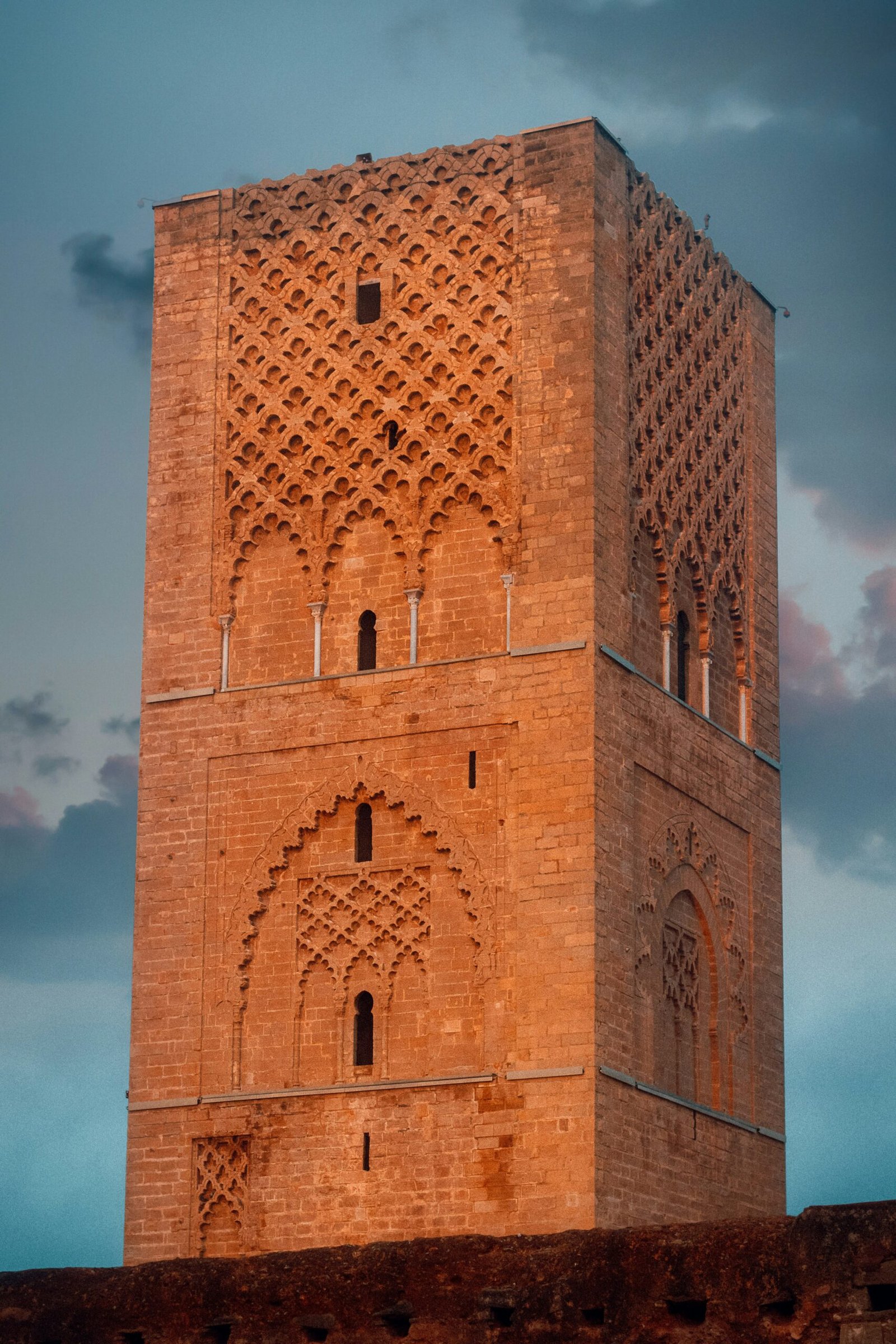
The city contains important Almohad remains, including the Hassan Tower and historic defensive walls.
Rabat’s modern identity emerged particularly strongly after 1912, when it became the capital during the French Protectorate.
Unlike Fez and Marrakech, whose imperial histories stretch across numerous medieval dynasties, Rabat combines medieval heritage, Alaouite royal history, colonial-era urban planning and modern Moroccan state institutions.
The Almohad Legacy in Rabat
The Almohads envisioned Rabat as a major imperial capital.
The enormous scale of the Hassan Tower project demonstrates the ambition behind this plan.
Although the original mosque was never completed as intended, the remaining structures became some of Morocco’s most recognizable historical monuments.
The Kasbah of the Oudayas adds another layer to Rabat’s history, with its strategic location overlooking the Atlantic and Bouregreg River.
Rabat Under the Modern Monarchy
Rabat became the official capital of Morocco in 1912.
The city subsequently developed into the country’s principal political and administrative center.
Today, government ministries, diplomatic institutions, royal facilities and national cultural institutions are concentrated in and around the capital.
Yet Rabat has preserved much of its historic character.
Rabat’s Major Historical Sites
| Site | Historical Importance |
|---|---|
| Hassan Tower | Monumental Almohad project |
| Mohammed V Mausoleum | Important modern royal monument |
| Kasbah of the Oudayas | Historic fortified quarter |
| Chellah | Ancient and medieval archaeological complex |
| Rabat Medina | Historic urban center |
| Royal Palace district | Contemporary royal and political significance |
| Historic walls and gates | Evidence of earlier defensive architecture |
Rabat is therefore a city where Morocco’s past and present meet.
How the Four Imperial Cities Compare
Each of the four cities offers something different.
| Category | Marrakech | Fez | Meknes | Rabat |
|---|---|---|---|---|
| Atmosphere | Energetic and vibrant | Historic and intellectual | Calm and monumental | Elegant and modern |
| Main Identity | Tourism and royal heritage | Culture and scholarship | Imperial power | Politics and modern monarchy |
| Major Dynasty | Almoravids, Almohads, Saadians | Idrisids, Marinids | Alaouites | Almohads and Alaouites |
| Best For | First-time visitors | History and culture | Architecture and royal history | Modern Moroccan history |
| Famous Monument | Koutoubia | Bou Inania Madrasa | Bab Mansour | Hassan Tower |
| Historic Character | Red-walled imperial city | Medieval Islamic city | Alaouite royal city | Historic-modern capital |
| Ideal Experience | Medina, souks and palaces | Medina, crafts and scholarship | Monuments and royal architecture | Heritage and contemporary Morocco |
There is no single “best” imperial city.
The right choice depends on what you want to experience.
Why Morocco Has Four Imperial Cities
One of the most fascinating aspects of Moroccan history is that the country did not maintain one permanent capital throughout its history.
Different dynasties established their centers of power in different locations.
Political circumstances, military strategy, economic connections, geography and royal ambitions all influenced these decisions.
Capitals Through Moroccan History
| City | Periods of Major Royal Importance |
|---|---|
| Fez | Idrisid, Marinid, Wattasid and later Alaouite periods |
| Marrakech | Almoravid, Almohad and Saadian periods, with later royal importance |
| Meknes | Particularly important under Moulay Ismail |
| Rabat | Became Morocco’s modern capital in 1912 and remains so today |
This constant movement of political power left Morocco with an unusually rich collection of royal cities.
Instead of concentrating its historical heritage in one capital, Morocco distributed it across several extraordinary urban centers.
The Architecture of Morocco’s Imperial Cities
Architecture is one of the clearest ways to understand the differences between the four cities.
Walking through each one reveals a different combination of dynastic influences.
Architectural Features to Look For
Marrakech is famous for its red earth-colored walls, monumental gates, gardens and grand palaces.
Fez is renowned for intricate zellij, carved plaster, cedarwood, madrasas and traditional riads.
Meknes stands out for its massive walls, monumental gates and enormous royal complexes.
Rabat combines Almohad monuments with later royal architecture and modern urban planning.


Together, these cities provide an extraordinary introduction to Moroccan architectural history.
Morocco’s Imperial Cities and UNESCO Heritage
The historical importance of these cities is also reflected in their international heritage recognition.
Fez and Marrakech have historic medinas recognized as UNESCO World Heritage sites, while the Historic City of Meknes and Rabat’s modern-historic urban ensemble are also internationally recognized.
| City | Heritage Area |
|---|---|
| Fez | Medina of Fez |
| Marrakech | Medina of Marrakesh |
| Meknes | Historic City of Meknes |
| Rabat | Rabat, Modern Capital and Historic City |
This recognition reflects the exceptional architectural, cultural and historical value of these urban landscapes.
But their importance goes beyond monuments.
These are living cities.
People still live, work, trade and practice traditional crafts within and around their historic quarters.
Best Way to Visit Morocco’s Imperial Cities
Travelers who want to experience all four cities should allow enough time to appreciate their differences.
A rushed visit can give you photographs, but a carefully planned journey gives you context.
A well-designed imperial cities itinerary can connect Marrakech’s royal monuments with Fez’s medieval medina, Meknes’ monumental architecture and Rabat’s modern political heritage.
Suggested Imperial Cities Journey
| Day | Destination | Suggested Experience |
|---|---|---|
| Day 1 | Marrakech | Medina, Koutoubia and Jemaa el-Fna |
| Day 2 | Marrakech | Saadian Tombs, palaces and souks |
| Day 3 | Rabat | Hassan Tower, Mausoleum and Kasbah |
| Day 4 | Fez | Historic medina and traditional crafts |
| Day 5 | Fez | Madrasas, royal quarter and cultural sites |
| Day 6 | Meknes | Bab Mansour, medina and royal heritage |
| Day 7 | Meknes region | Volubilis and surrounding countryside |
The route can also be reversed or expanded depending on your arrival and departure cities.
Which Imperial City Should You Visit First?
If you are visiting Morocco for the first time, your choice may depend on your travel style.
Choose Marrakech If You Want:
A lively introduction to Morocco, traditional souks, iconic architecture, gardens, palaces, food and a vibrant atmosphere.
Choose Fez If You Want:
Deep history, traditional craftsmanship, Islamic architecture, scholarship and one of the world’s most fascinating medieval medinas.
Choose Meknes If You Want:
Royal architecture, monumental gates, Alaouite history and a quieter atmosphere.
Choose Rabat If You Want:
A combination of history and modern Morocco, with royal monuments, coastal scenery, museums and the country’s political heart.
Why These Four Cities Are Essential to Moroccan History
The importance of Morocco’s Imperial Cities goes beyond tourism.
Together, they represent the evolution of Moroccan statehood.
Fez reflects the early formation of Islamic Morocco and the development of scholarship.
Marrakech demonstrates the extraordinary reach of the Almoravid and Almohad empires and later Saadian power.
Meknes reveals the ambition of the Alaouite monarchy under Moulay Ismail.
Rabat represents the modern Moroccan state and the continuation of the monarchy into the present day.
Each city is therefore a chapter in the same national story.
Frequently Asked Questions About Morocco’s Imperial Cities
What are Morocco’s Imperial Cities?
Morocco’s four traditional imperial cities are Marrakech, Fez, Meknes and Rabat. Each served as a capital or major royal center during different periods of Moroccan history.
Which is the oldest Imperial City in Morocco?
Fez is generally considered the earliest of the four imperial capitals, with its foundation traditionally dated to the Idrisid period between 789 and 808 CE.
Which Imperial City is the most famous?
Marrakech is arguably the most internationally famous, particularly because of its historic medina, souks, palaces, gardens and vibrant atmosphere.
Which Moroccan Imperial City is best for history?
Fez is an exceptional choice for travelers interested in history because its medieval medina preserves an extraordinary concentration of religious, educational, commercial and architectural heritage.
Why did Morocco have different capitals?
Different Moroccan dynasties moved their political centers according to strategic, economic and political considerations. This created several major royal cities instead of one permanent historical capital.
Is Rabat an Imperial City?
Yes. Rabat is one of Morocco’s four traditional imperial cities and has been the country’s modern capital since 1912.
Which Imperial City is best for a first trip to Morocco?
Marrakech is often the easiest introduction because it combines major historical monuments, traditional markets, restaurants, riads and a lively atmosphere. However, Fez, Meknes and Rabat offer very different experiences and are highly worthwhile additions.
Experience Morocco’s Imperial Cities With Morocco Global Travel
The beauty of Morocco’s Imperial Cities is that no two offer the same experience.
In Marrakech, you can stand beneath the Koutoubia and walk through centuries-old souks.
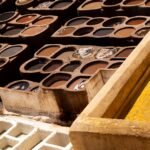
In Fez, you can enter one of the world’s most remarkable medieval medinas and watch artisans continue traditional crafts.
In Meknes, monumental gates and royal complexes reveal the extraordinary ambitions of Sultan Moulay Ismail.
In Rabat, ancient walls and Almohad monuments stand alongside the institutions of modern Morocco.
Together, these cities offer something few destinations can match: the opportunity to travel through centuries of Moroccan history while remaining within one country.
At Morocco Global Travel, we can create a private or small-group journey connecting the imperial cities with the Atlas Mountains, Sahara Desert, Aït Ben Haddou, Chefchaouen or Morocco’s Atlantic coast.
Whether you have one week or more time to explore, your itinerary can be built around the places and experiences that matter most to you.